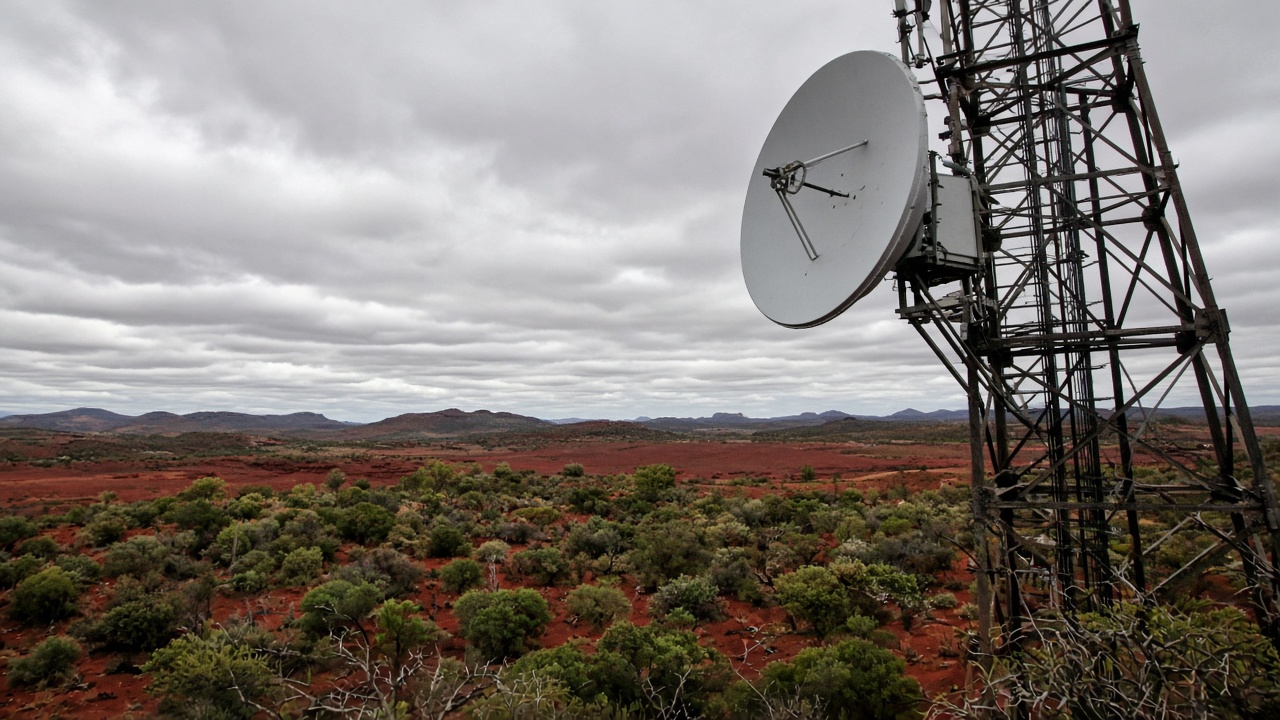
TPG Telecom finished rebuilding microwave backhaul to a chain of Kimberley cell towers on Tuesday, restoring mobile voice and data to four remote communities that had been cut off since fibre breaks during Cyclone Megan in late September.
The telco said more than 180 kilometres of overhead fibre was damaged when floodwaters undermined poles along the Great Northern Highway corridor. Rather than wait for civil crews to re-string fibre through saturated ground, network engineers installed temporary microwave hops from Derby to towers serving Looma, Pandanus Park and nearby outstations.
Why microwave won the race
Microwave backhaul is slower than fibre and more sensitive to rain fade, but it can be deployed on existing tower structures within days. TPG network chief Giovanni Chiarelli said the links were delivering average download speeds around 42 megabits per second in field tests — enough for emergency services radio bridging and basic household use, though not for 4K streaming marathons.
The federal government’s Mobile Black Spot Program co-funded two of the towers, and Chiarelli said he would invoice the disaster recovery framework once permanent fibre paths are engineered.
Community impact
Indigenous health workers in the region said the outage had forced clinics to drive paper patient files between towns when telehealth sessions dropped mid-consultation. Local police reported that satellite phones filled the gap but with long wait lists from suppliers after the cyclone season started early.
With microwave restored, Royal Flying Doctor Service coordinators can again receive live vitals from remote nurses, a capability Chiarelli said was the non-negotiable design requirement for the temporary fix.
Permanent rebuild timeline
TPG expects permanent fibre along the highway to take until at least January, pending WA Main Roads access permits while flood damage is assessed. Until then, microwave capacity will be monitored during monsoon squalls; engineers have stockpiled spare dishes in Broome in case wind shear misaligns antennas.
Competitor Telstra operates overlapping coverage in parts of the Kimberley but declined to comment on whether it would share backhaul with TPG under the industry’s disaster roaming protocols.
What regulators want
The Australian Communications and Media Authority has asked all carriers to file post-incident reports by mid-November, focusing on how long communities lacked triple-zero mobile access. TPG’s filing will likely argue microwave saved weeks of isolation, but ACMA may still ask why fibre routes lacked diverse paths given prior flood history.
For households, the episode underscores that “mobile coverage on the map” is only as good as the backhaul behind it — and that backhaul still breaks when rivers move poles.
Spectrum and satellite backups
TPG also refreshed satellite backhaul contracts for the most remote towers, ensuring a tertiary path if microwave dishes ice over during rare Kimberley cold snaps. Engineers said the layered approach copied lessons from Queensland cyclone repairs after 2023.