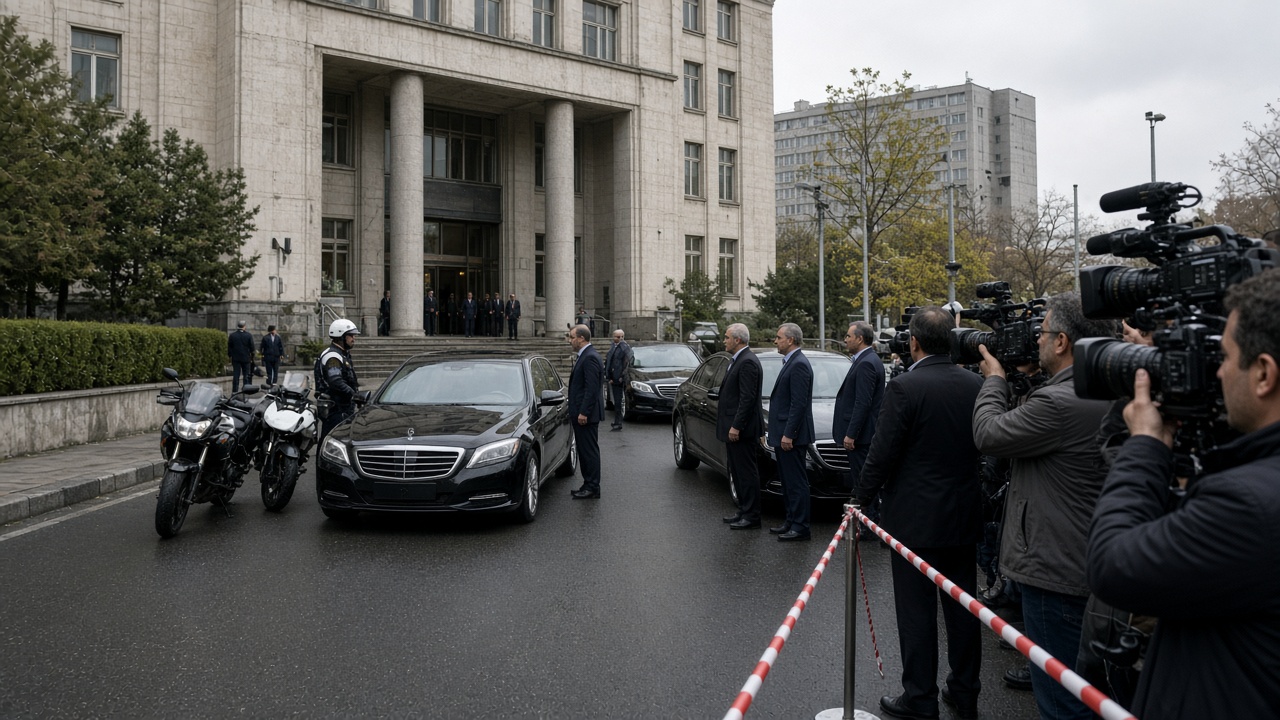
Senior envoys from Saudi Arabia, Turkey and Pakistan flew out of Tehran on Monday without a deal to halt Houthi missile and drone attacks on the kingdom, even as Iranian officials pressed them to help broker a wider two-week pause in regional fighting tied to reopening the Strait of Hormuz.
The meeting — hosted by Iran’s Supreme National Security Council and attended by President Masoud Pezeshkian — was billed as a first test of whether the so-called Mecca pact countries could build a diplomatic off-ramp before Washington and Tehran slide back into open war. Participants issued a joint statement promising continued dialogue on Israel’s military campaigns, Lebanon, and Gaza, but set no date for a follow-up round and announced no concrete steps to calm Yemen’s front.
What the four sides discussed
Turkey sent National Intelligence Organization chief Ibrahim Kalin. Saudi Defense Minister Prince Khalid bin Salman led the kingdom’s delegation, underscoring Riyadh’s urgency as airports and energy sites face recurring Houthi strikes. Pakistan’s Chief of Army Staff Asim Munir represented Islamabad. On the Iranian side, council secretary Mohsen Rezaei chaired the talks and foreign minister Abbas Araghchi joined Pezeshkian for portions of the session.
According to officials briefed on the meeting, the visiting delegations asked Tehran to use its influence with the Houthis to stop attacks on Saudi territory. Iranian interlocutors countered that their influence over the Yemeni movement is limited and that any lasting arrangement would require Riyadh to address Houthi demands, including relief from the coalition air blockade on Yemen.
Rezaei told state media afterward that West Asian security should be managed by regional states “without external interference,” a framing aimed at both U.S. military pressure and Israeli operations across multiple borders. Foreign ministry spokesman Esmaeil Baqaei described the gathering as a possible start to a regional security framework rooted in Muslim-majority capitals rather than outside powers.
Missiles after the motorcades left
The diplomatic optics collided with battlefield rhythm within hours. The Saudi-led coalition said its air defenses intercepted and destroyed three ballistic missiles launched by the Houthis toward Saudi Arabia’s Eastern Province on Monday, without specifying intended targets or casualties. That announcement followed a separate coalition statement on Sunday reporting three drones downed over Riyadh and southern Saudi Arabia.
Regional sources told reporters the Tehran session ended with what one described as a promise to keep talking rather than a verified de-escalation path. The National, citing people familiar with the talks, reported that Iranian officials said they were “willing to help” on Houthi restraint but that rebel leaders still insist Saudi Arabia lift restrictions on Yemen before attacks stop.
Why the timing matters
The quadrilateral meeting unfolded as Israeli voters cast ballots in a wartime election, U.S. leaders weigh post-midterm military options against Iran, and tanker traffic through Hormuz remains a live economic choke point. President Donald Trump has publicly hedged between renewed strikes and a negotiated reopening of the strait, while Iranian leaders have kept up defiant rhetoric even as Pezeshkian’s government explores back-channel openings.
Anadolu Agency and Turkey’s state broadcaster TRT World said the four countries agreed to continue security consultations but did not publish a timetable. AP correspondent Julie Pace, reporting from the region, noted many Iranians remain anxious that fighting could resume at scale despite the Mecca pact outreach.
For now, the clearest deliverable from Tehran is procedural: the Mecca pact trio and Iran will stay in contact. Whether that channel can slow Houthi launches, satisfy Riyadh’s security needs, or give Washington a reason to hold fire will depend on follow-up meetings that have not yet been scheduled — and on battlefield events that continued before the delegations’ planes were back on the ground.