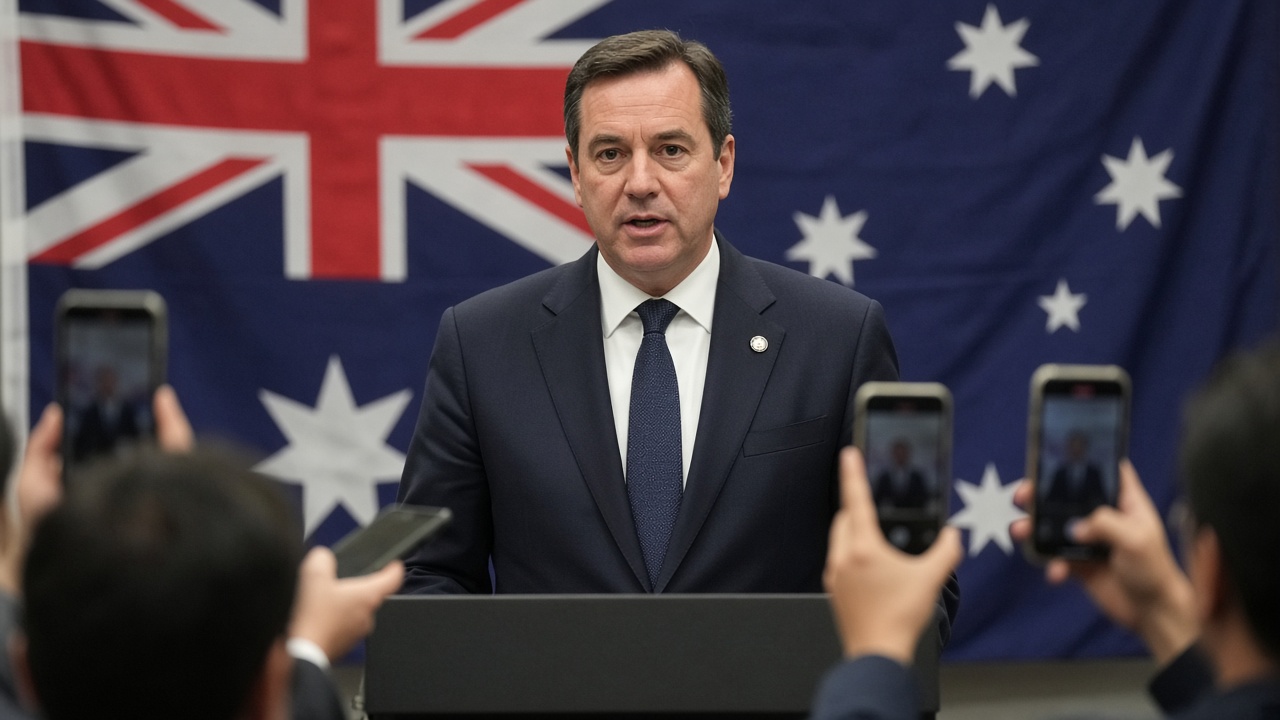
Australia’s headline inflation accelerated to 4.3 percent in the year to September, up from 4.0 percent in August, as petrol and holiday travel costs pushed the consumer price index higher than the Reserve Bank expected just two months ago. Treasurer Jim Chalmers said the Middle East war was “turbocharging” household pain, while Governor Michele Bullock told a Senate committee that another interest-rate increase next week was on the table.
The Australian Bureau of Statistics said automotive fuel rose 9.4 percent in September alone. Chalmers told reporters in Canberra that roughly 43 percent of the month’s inflation increase came from higher petrol prices, with another 54 percent tied to holiday travel costs that airlines have passed through from costlier jet fuel. Building new homes also contributed, keeping construction inflation on the radar of both Treasury and the RBA.
Politics and the December budget
Chalmers accepted that fiscal policy matters in the inflation fight, saying the government would include a savings package in the mid-year budget update in December as it had in previous statements. He argued that inflation had risen in every major advanced economy in September and that markets were pricing rate increases across the group, but conceded that “the numbers in today’s data are still too high” for Australian households.
Opposition Leader Angus Taylor used question time to press Prime Minister Anthony Albanese to admit Labor’s spending had forced families to pay more. Albanese replied that today’s figures “reflect what many Australians are feeling” and listed cost-of-living measures such as cheaper medicines and fee-free TAFE, while saying the problem could not be solved overnight.
What Bullock told senators
Bullock appeared before the Senate economics committee on Wednesday morning, shortly before the ABS release. She said inflation would be higher than the bank forecast two months ago and that a rate rise at the board’s meeting next week was likely, according to live coverage by the Australian Financial Review and Sydney Morning Herald. Financial markets had already shifted toward expecting tighter policy after global oil prices spiked on Middle East shipping and refinery risks.
Chalmers linked the petrol surge directly to the conflict, saying from an economic standpoint “the end of the war in the Middle East can’t come soon enough.” He noted that oil remained the biggest single driver of Australian inflation even before September’s jump, a pattern that leaves household budgets exposed to any further disruption in the Strait of Hormuz or Red Sea routes that affect refined product imports.
What it means for borrowers
A 17th consecutive rate increase under Labor would extend one of the longest tightening cycles in modern Australian history, hitting variable-mortgage holders who had hoped easing global inflation would bring relief. Fixed-rate borrowers rolling off pandemic-era loans are already resetting at much higher repayments, and today’s CPI print gives the RBA little room to pause without risking a second inflation wave.
Chalmers promised that the government would act “in a way that helps to build the longer-term strength of the economy,” but Wednesday’s data makes the trade-off sharper: every dollar spent on short-term relief adds to demand unless offset elsewhere. For now, the ABS number sets the timetable—Bullock’s board meets with 4.3 percent on the page, and Middle East headlines on the wire.