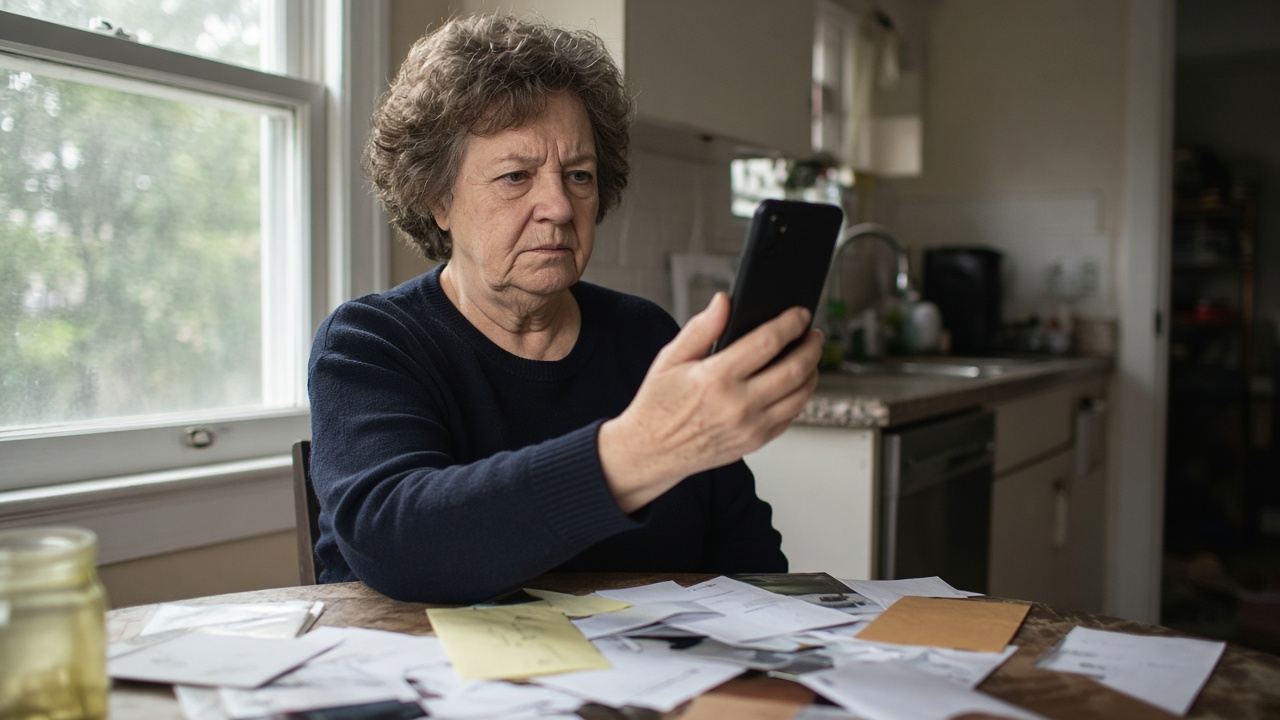
Scammers are borrowing the names of real charities to tell donors they won a sweepstakes tied to past gifts, then demanding upfront fees or Social Security numbers to release the prize—a script the Federal Trade Commission flagged in an October 26 consumer alert as an automatic fraud signal.
What legitimate sweepstakes look like
Real prizes are free. Federal prize-promotion rules make it illegal to charge someone to enter or to collect a win, and illegal to ask for payment to increase odds. The FTC’s alert walks through the tell: the moment a caller requests money, gift cards, or crypto to “process” a charity-linked jackpot, hang up.
Imposters also spoof caller ID so the display shows a familiar nonprofit or government agency. The commission says that display proves nothing—verify independently by calling the charity on a number you find yourself, not one the caller provides.
How the charity angle works
Fraudsters know many households have recent donation receipts. They reference a cause you support, then pivot to a “sponsored sweepstakes” you supposedly entered by giving. Search engines can amplify the scam: the FTC warns that paid ads sometimes sit above legitimate charity pages, so scroll past sponsored links when checking whether a contest exists.
Some scripts mention well-known sweepstakes operators to sound official. Cross-check the exact promotion name with the charity’s verified site or with state attorney general charity registries before sending anything.
Steps if you already paid
Contact your bank or card issuer immediately if you wired money or bought gift cards. Those transfers are difficult to reverse, but quick reporting can sometimes block downstream transfers. File a report at ReportFraud.ftc.gov—the data feeds law-enforcement databases and shapes future consumer alerts like the October 26 notice.
Share the script with friends and family; the FTC emphasizes that telling one person what the call sounded like helps others recognize the pattern faster than generic warnings.
Parallel scams still circulating
The same week, the FTC reminded consumers that its employees never call to deactivate phone numbers over overseas fraud claims—a separate impersonation wave covered in an October 22 alert. Charity sweepstakes fraud and government impersonation often hit the same households in sequence, so treat any unsolicited prize call as suspect even if the earlier scam failed.
Red flags to save in your phone
Requests for secrecy (“don’t tell your family”), pressure to act before a deadline, and instructions to pay customs fees or taxes upfront on a “free” car or vacation package all violate the same prize rules. Charities that run genuine sweepstakes publish official rules with odds disclosures and never require payment to receive winnings.
Where to verify before you give again
Use Charity Navigator, Candid, or your state regulator to confirm an organization’s status before entering any promotion tied to a donation drive. If a caller cites a specific sweepstakes, ask for the official rules document in writing and review the no-purchase-necessary entry method—every legal U.S. sweepstakes must offer a free entry path.