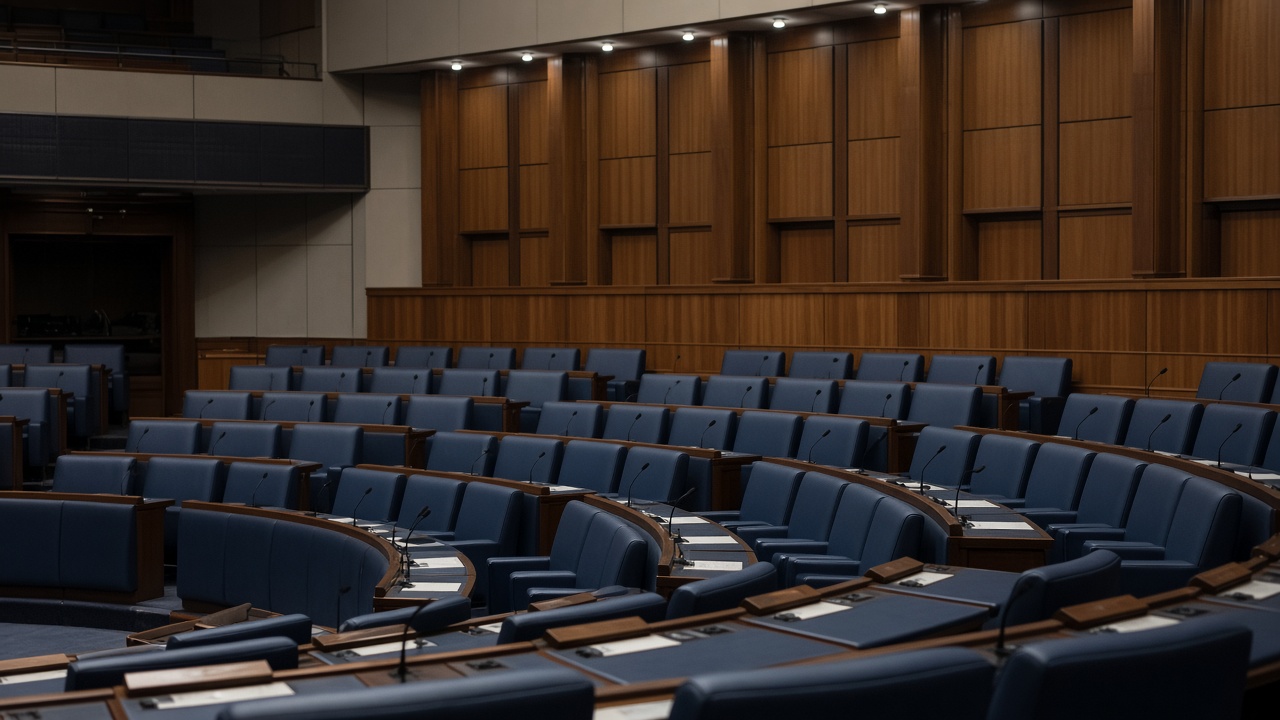
Democratic Party floor leaders said Wednesday they will report a parliamentary investigation plan targeting Supreme Court Chief Justice Cho Hee-dae at the National Assembly plenary on Nov. 5, aiming to start hearings in early December.
Senior spokesman Park Sung-joon told reporters after a supreme council meeting that the party would adopt a detailed plan within one or two weeks and then move into witness scheduling. Leader Kim Min-seok said on a party broadcast that the public still lacked a full account of judiciary controversies and that lawmakers should "faithfully review and convey" them.
Issues on the docket
Democrats flagged the Supreme Court's late-night executive meeting on Dec. 3, 2024, when emergency martial law was declared, along with disputes over court budget spending and cash encouragement payments. Chief Justice Cho told audit hearings he never handled encouragement money, while National Court Administration chief Roh Kyung-pil testified that the chief justice makes final payment decisions — a conflict Democrats want resolved with accounting records.
Special counsels already closed related insurrection complaints without charges, citing limits on searching court premises. The party argues a parliamentary probe can revisit those files even though investigators lack compulsory powers comparable to prosecutors.
Calendar and politics
The timetable aligns with other high-stakes cases moving through Seoul courts this week, including detention reviews involving former first lady Kim Keon Hee. Democrats originally floated impeachment but settled on investigation first to hold moderates who feared immediate removal.
The People Power Party called the plan "relentless and vicious violence" against judicial independence, repeating arguments that the opposition is punishing courts for acquitting Seoul Mayor Oh Se-hoon in an election-law case. Floor spokespeople for the ruling bloc said impeachment motions remain possible if the probe surfaces new facts.
What compulsory power would change
Parliamentary inquiries can demand documents voluntary counsels could not obtain, yet cannot easily compel testimony from sitting justices without triggering separation-of-powers fights. Democrats hope financial ledgers and meeting minutes will clarify whether Cho's court acted neutrally during martial law hours.
Even a limited probe would keep judiciary reform on television through local election season. The Nov. 5 report is procedural, but it locks both parties into a December hearing calendar that Chief Justice Cho cannot ignore entirely if committees summon court administrators.
Committee staff said witness lists would likely start with court administrators before any invitation reaches the chief justice himself, a sequencing choice that could stretch hearings into January if lawyers challenge scope.