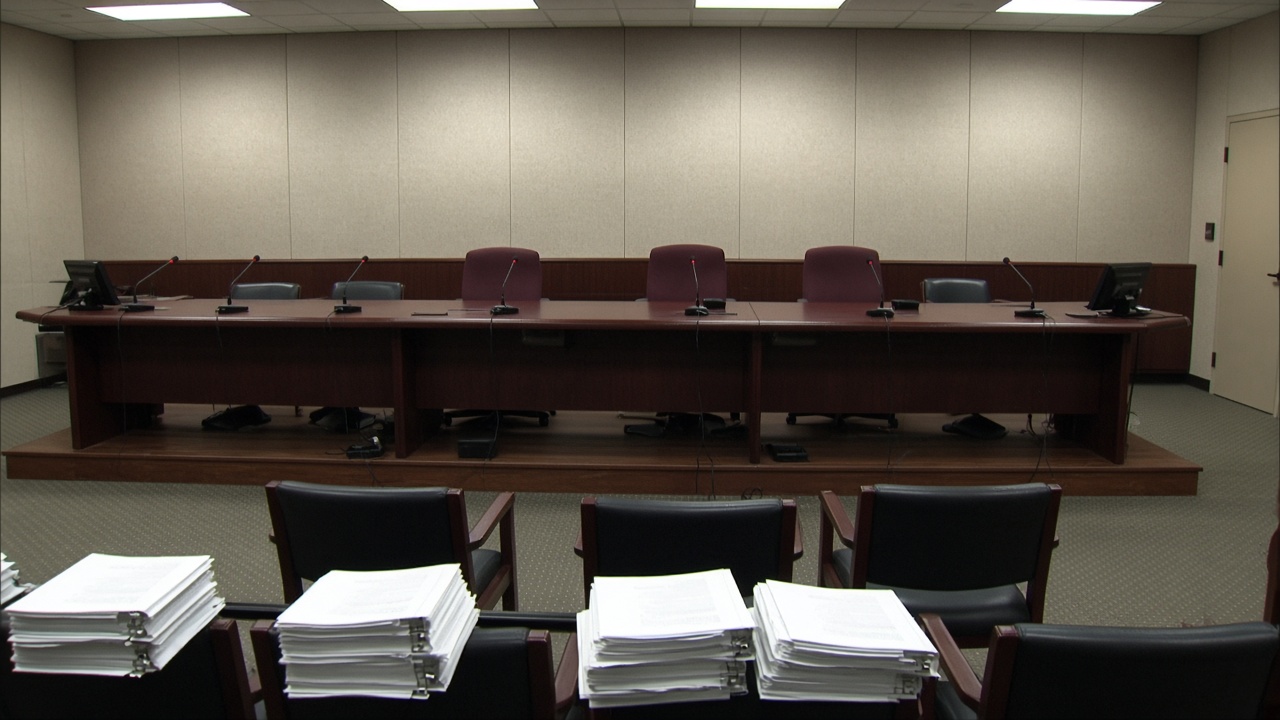
Legislative caucus conveners set a Wednesday afternoon session to review 56 merged proposals amending Criminal Code Article 185-3 on impaired driving, a package that has drawn competing drafts from the executive branch, the judiciary, and multiple party caucuses. The meeting may run past its scheduled hour if floor debate on the annual budget overruns, according to the legislature’s public schedule.
What the bills aim to change
Article 185-3 covers offenses such as driving under the influence of alcohol or drugs and has been the focus of public anger after several high-profile fatalities involving repeat offenders. Executive and judicial versions differ on mandatory minimum sentences, ignition interlock requirements, and whether certain aggravating factors should automatically trigger felony charges. Civil society groups want faster license revocations; defense attorneys warn that overlapping amendments could create conflicting standards between the road traffic law and the criminal code.
Why fifty-six drafts merged
Lawmakers submitted parallel bills after a 2025 traffic safety push, each tweaking penalty ranges or probation rules. The Judiciary and Organic Laws and Statutes Committee bundled them for caucus negotiation to avoid line-by-line gridlock on the floor. The Wednesday caucus does not finalize text but signals which compromise frames have majority support before committee markup resumes.
Political stakes
Traffic safety polls consistently rank among voters’ top local concerns ahead of November municipal elections. Parties are wary of appearing soft on DUI yet also face pressure from legal scholars who argue mandatory minimums overcrowd prisons. The caucus chair, affiliated with the opposition, must balance coalition partners who want stricter blood-alcohol thresholds against members representing rural districts reliant on motorbike commuting.
Enforcement capacity
Police unions asked for funding to expand roadside drug testing and to integrate breathalyzer data with court systems. Without IT upgrades, stricter penalties may not shorten case processing times. The Ministry of Justice said probation officers need additional headcount if interlock devices become mandatory for first-time high readings.
Comparison with prior reforms
A 2019 amendment increased fines but left felony thresholds contested in courts. Victims’ families groups argue repeat offenders exploit probation loopholes, while some judges cite inconsistent lab procedures for blood draws. The current package attempts to standardize evidentiary rules, a technical section that often decides whether bills pass unified review.
What happens after caucus
Agreements reached Wednesday would return to committee for article-by-article votes, possibly before the fall session recess. Disagreements would push deliberations into November, risking collision with election campaigning that distracts legislative attention. Executive officials said they are ready to issue implementation orders within six months of passage if IT budgets are authorized concurrently.
Public visibility
Civic broadcasters plan to carry portions of the caucus if floor time allows, reflecting intense media interest. Legal aid clinics prepared explainers for motorists about how proposed interlock rules would affect employment in delivery and ride-hail gigs.
Data from traffic police
National Police Agency statistics show alcohol-related fatalities trending down in absolute numbers over the past decade, yet social media amplifies each high-profile crash, increasing legislative pressure faster than trend lines alone would justify. Analysts note that rural counties with limited public transit see higher repeat-offender rates, complicating one-size-fits-all penalties drafted in Taipei.
Judicial workload
District courts in Taichung and Kaohsiung reported backlogs in DUI trials after 2024 procedural reforms allowed more evidentiary challenges. Judges asked lawmakers to fund digital case files so breathalyzer calibration records reach courtrooms without paper delays.
International comparisons
Japan and South Korea tightened blood-alcohol limits in recent years; Taiwanese advocates cite those models when pushing automatic license suspensions. Defense bar associations counter that Taiwan’s scooter-heavy fleet requires distinct enforcement tools, including helmet cameras and roadside drug swabs not yet universally deployed.
Timeline for voters
If caucus negotiators converge Wednesday, floor votes could still land before municipal campaigning peaks. Failure would push final wording into a lame-duck window, inviting accusations that parties are postponing hard choices until after ballots are cast.
Insurance industry groups submitted actuarial comments overnight, warning that felony thresholds affect compulsory liability premiums for commercial fleets.