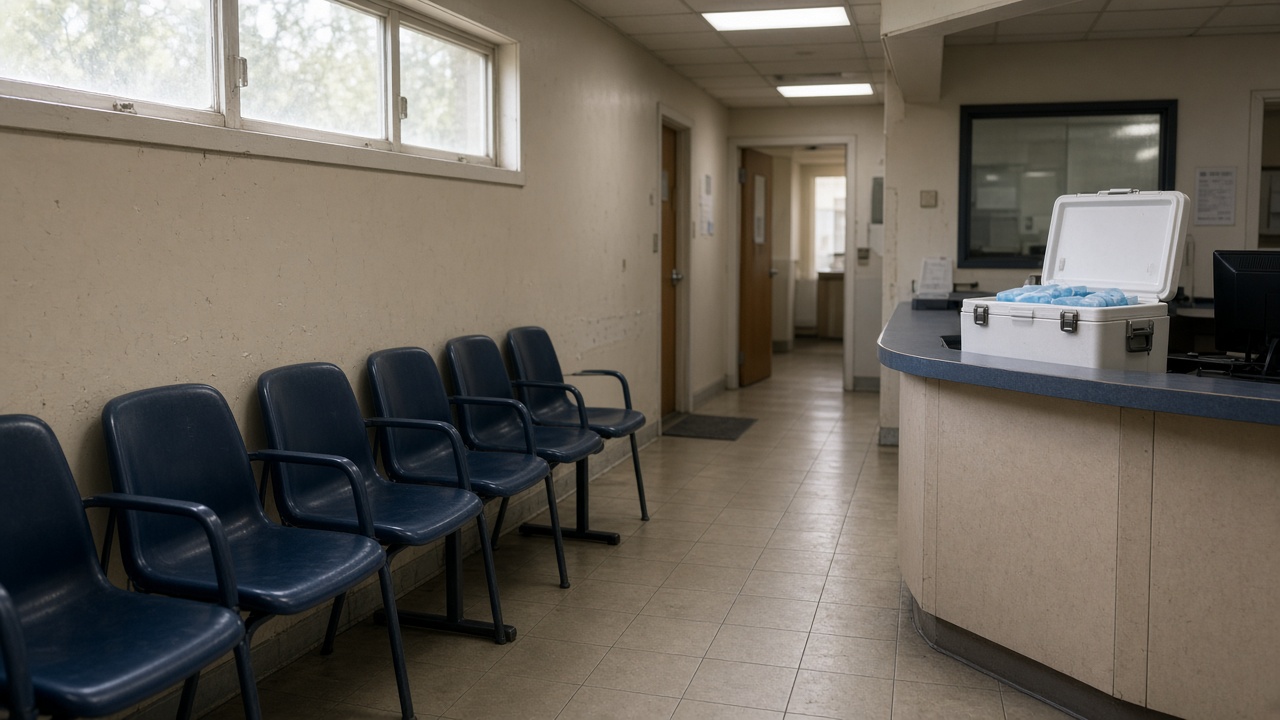
Taiwan’s Centers for Disease Control said more than four million people received government-funded flu shots between Oct. 1 and Monday, the highest count for the opening weeks of the program since it moved to a two-phase schedule in 2021. Officials credited health-coin incentives and clinic capacity expansions, even as severe cases remain overwhelmingly unvaccinated.
Who is getting shots
About 1.83 million people aged 65 or older received flu vaccines, roughly nine percent more than the same period last year, lifting coverage among seniors to 38.4 percent. COVID-19 vaccinations for older adults rose 32 percent year over year to about 940,000 doses. Pneumococcal shots also climbed, with coverage among seniors approaching 40 percent ahead of a year-end target.
Epidemic indicators
Outpatient visits for flu-like illness fell 18.8 percent to 101,746 in the latest surveillance week, partly because clinics closed during Typhoon Champi. CDC officials cautioned that the epidemic period continues, with 11 percent of emergency visits still flu-related. Last week brought 85 severe cases and 28 deaths, including younger patients with underlying conditions.
Health coin mechanics
Adults with National Health Insurance earn 450 health coins for flu shots, 900 for COVID-19 vaccines, and 600 for pneumococcal vaccines, whether doses are government-funded or self-paid. The Ministry of Health and Welfare markets coins through banking apps, which CDC Director-General Philip Lo said materially changed behavior compared with prior seasons.
Phase two expansion
Starting Nov. 2, government-funded flu and COVID-19 vaccines open to adults aged 50–64 without high-risk chronic conditions, widening the pool beyond seniors and clinical risk groups. Pediatric schedules continue under existing school-based programs. Clinics in eastern counties asked for extra deliveries after storm damage disrupted travel.
Hospital pressure
Physicians urged high-risk patients to seek care early if breathing difficulty appears, citing delayed presentations after holiday travel. Pediatric wards remain alert for respiratory syncytial virus co-circulation, which can complicate triage even when flu dominates headlines.
Comparison to prior years
The four-million mark arrived faster than during the 2022–2023 COVID-conscious season, when masking suppressed other respiratory viruses. Public acceptance of co-administering flu and COVID shots in one visit improved throughput at large hospital outpatient departments.
Practical guidance
Eligible residents can book contracted clinics through the CDC map; coins post after verified administration. Self-pay doses also qualify for coins, a detail travelers use before winter trips to Japan and Korea, where flu seasons run ahead of Taiwan’s peak.
Clinic operations
Contracted providers reported shorter wait times midweek after Double Ten holiday crowds cleared, though eastern clinics still face staff shortages as nurses assist typhoon cleanup shifts. Pediatricians asked parents to book flu and pneumococcal visits separately when children fear needles, reducing dropout rates in waiting rooms.
Coin redemption
Health coins accumulate in the National Health Insurance app and can offset copays or wellness purchases at participating retailers; CDC officials said redemption volume rose with vaccination, indicating coins are being spent rather than hoarded.
Surveillance limits
Typhoon-related clinic closures distort week-over-week surveillance, so epidemiologists will rely on two-week moving averages before declaring the epidemic peak. Emergency physicians caution that delayed care for high-risk patients could push severe counts higher even as outpatient visits dip.
School programs
Campus vaccination drives resume in November after midterm exams, targeting adolescents who missed October community clinics. Education ministry bulletins remind schools to ventilate classrooms as outdoor temperatures cool and windows close.
Travel advisories
CDC maintains level-one travel notices for several destinations with early flu activity; vaccinated travelers still benefit from reduced severity if infected abroad, according to briefing slides distributed to tour operators Tuesday.
Pharmacy stock
Major pharmacy chains said antiviral inventories are adequate but urged patients to start treatment within 48 hours of symptom onset. Pharmacists reported higher inquiries for rapid tests alongside vaccine appointments.
Long-term care
Nursing homes must document staff vaccination rates under updated inspection checklists; facilities failing thresholds face follow-up visits from local health bureaus before Lunar New Year travel peaks.