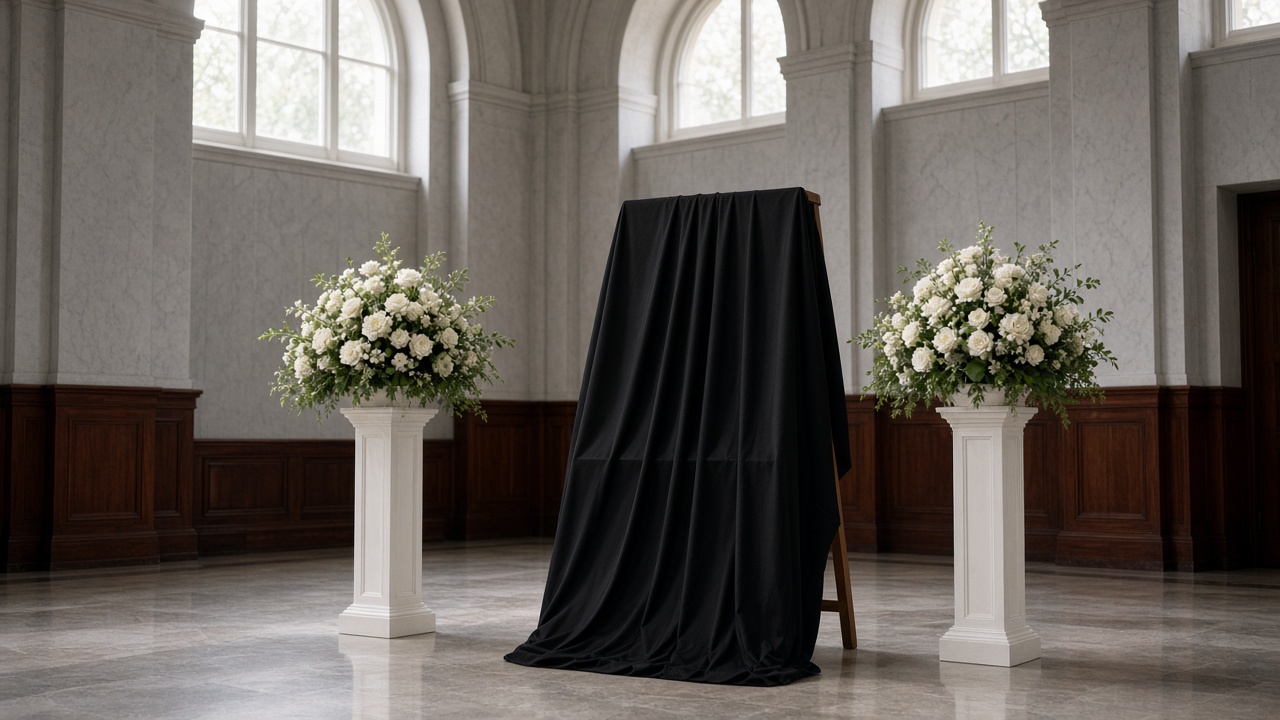
Members of Japan’s Diet paused campaigning Tuesday to honor former Prime Minister Yasuo Fukuda, who died at 90 after defining an era of cautious diplomacy and consumer-focused domestic policy. Speaker-led tributes highlighted Fukuda’s 2008 Beijing summit with Chinese leaders, his efforts to shield household budgets through consumer affairs agencies, and a political style that favored consensus over the theatrical combat common in today’s social-media-driven fights.
Political legacy
Fukuda, son of another prime minister, served roughly a year in office yet left fingerprints on issues still debated under Prime Minister Sanae Takaichi. He championed the philosophy that consumer policy deserved cabinet weight, a thread Consumer Affairs Minister Hanako Jimi invoked Tuesday when promising to “remember Fukuda’s ideals.” His foreign trips sought stable ties with China and the United States amid global financial turmoil, a balancing act successors still attempt as tensions rise over Taiwan and supply chains.
Chinese President Xi Jinping sent condolences to Fukuda’s family, praising him as a politician of “faith and responsibility,” according to state media summaries carried by Japanese networks. The message underscored Fukuda’s personal networks in Beijing, built over decades of behind-the-scenes dialogue even after leaving office.
Cross-party remembrance
Liberal Democratic Party lawmakers recalled Fukuda’s emphasis on fiscal prudence, noting ironies that today’s bond debates are louder than during his tenure. Opposition politicians credited him for listening to minority parties on pension technicalities. Innovation Party members cited his willingness to exit when voters soured, contrasting with modern leaders who cling to office through coalition arithmetic.
Media retrospectives replayed footage of Fukuda’s dry humor at press clubs and his avoidance of slogan-heavy rallies. Entertainment programs shifted schedules to air documentaries on his grandfather’s reconstruction-era politics, reminding younger viewers that the Fukuda name shaped postwar conservatism.
Public mourning
Tokyo residents lined up at the LDP headquarters condolence desk, signing books beneath black-and-white photos. Local governments in Fukuda’s former district opened quiet rooms for flowers, discouraging large crowds because of flu season advisories. Funeral arrangements remained family-led, with dates pending notification to the Imperial Household Agency per protocol for former premiers.
Why it matters now
Fukuda’s death does not alter Diet arithmetic, but it frames this week’s reform battles: he negotiated across aisles when seat cuts and tax hikes loomed, accepting short political pain. Takaichi’s team faces similar tradeoffs with smaller majorities and louder backbenchers. Tributes are ceremonial, yet they remind voters that Japan’s postwar leadership included figures who stepped aside when mandates faded—a standard contemporary politicians may be measured against when the memorial wreaths are cleared.
Cultural notes
NHK scheduled a retrospective on Fukuda’s love of classical music and his habit of quoting poetry at informal briefings, humanizing a leader often described as reserved. Bookstores moved biographies of the Fukuda political dynasty to front tables, while publishers rushed reprints of his essays on Asian diplomacy for readers seeking context on today’s China debates.