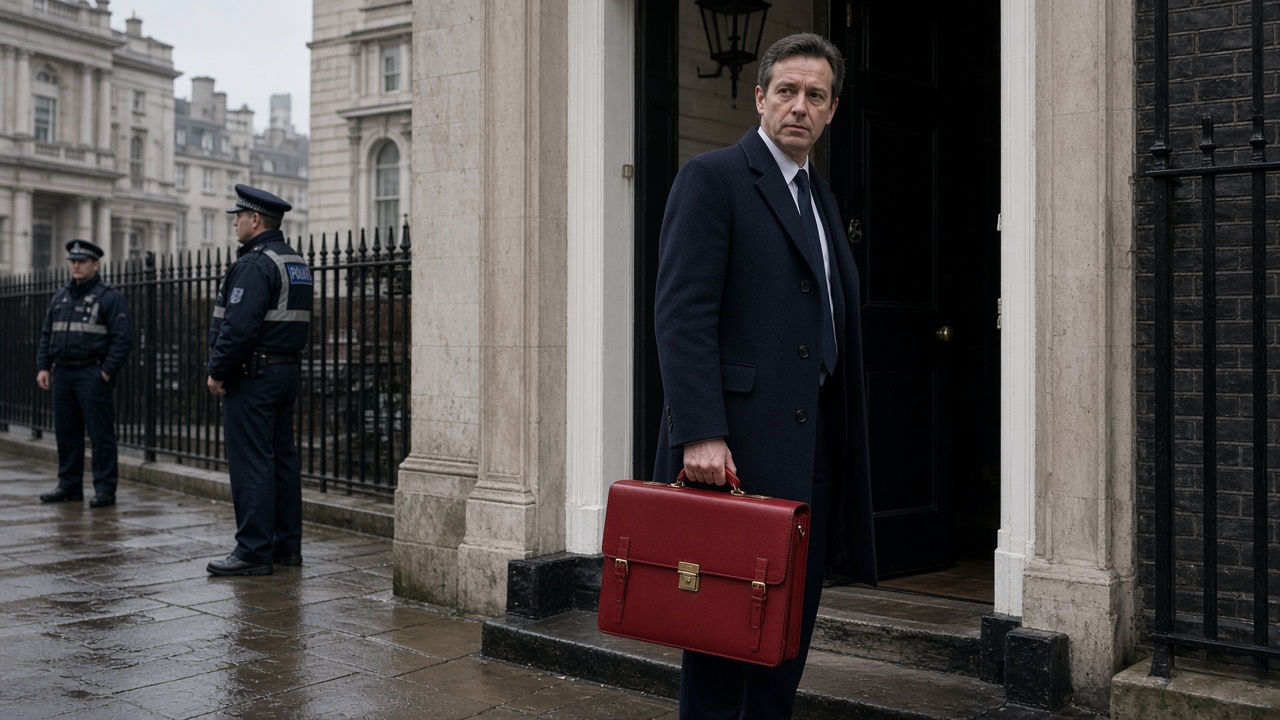
Chancellor John Healey announced Wednesday morning that standing charges will be scrapped from household gas bills in Great Britain, moving fixed network costs onto the unit rate in a change the Treasury wants Ofgem to deliver in 2027 or as soon as possible afterward.
The pre-Budget reveal came before Healey’s red-box walk to the Commons, where he is due to deliver his first Budget statement at 12:30 GMT. Prime Minister Andy Burnham had telegraphed the move last week, telling MPs he asked ministers to examine removing standing charges after approving the Jackdaw gas field to fund renewables investment.
What bill payers would see
Under the current Ofgem price cap, the average gas standing charge is about 30 pence a day, or roughly £108 a year, paid regardless of consumption. Electricity bills carry a separate standing charge. Healey’s team said shifting gas fixed costs to the volumetric rate would save about 60 percent of households an average of £45 annually, while heavier gas users in larger homes could pay more because they consume more units.
BBC economics editor Faisal Islam noted the reform responds to long-running complaints that standing charges punish efficient users and complicate the shift toward electrified heating. Treasury officials argued the structure failed bill payers for years and that embedding fixed costs in usage prices could encourage efficiency without a separate daily fee.
Winners, losers and timing
Cornwall Insight analysts cited by the BBC have warned the wider price cap could rise about 16 percent on 1 January 2027, partly because of the Middle East conflict’s effect on wholesale gas. Removing standing charges does not by itself cap those wholesale moves; it reallocates how existing network and policy costs appear on statements.
The government said “targeted mitigation” for a small number of households would be set out alongside the reform. Ofgem, not the Treasury, implements price-cap mechanics, and regulators will need consultation time to redesign tariffs without disrupting supplier systems.
Budget context
Healey faces bond-market scrutiny over Britain’s debt levels and inflation that has proved stickier than the Office for Budget Responsibility assumed before the Iran war expanded. Wednesday’s statement is expected to pair cost-of-living measures—including a minimum wage increase—with tax and spending choices constrained by Labour’s fiscal rules.
Opposition parties will test whether shifting standing charges amounts to meaningful relief if unit rates climb. Shadow Treasury teams have already sparred with Healey over whether public spending contributed to inflation, a debate that will continue through the four-day Budget committee stage.
What happens today
After the Cabinet meeting and red-box photo at 11:20 GMT, Healey will speak in the Commons following Prime Minister’s Questions. The Treasury will publish its Budget document online in parallel, and the OBR will hold a press conference around 14:30 GMT with updated forecasts that will, for the first time officially, incorporate the economic drag from the Gulf war.
Standing charge abolition is now the opening headline of Burnham’s first Budget season. Its practical effect will depend on Ofgem’s timetable and on wholesale prices that Healey does not control, even as he promises “breathing space” for households watching energy bills climb again.