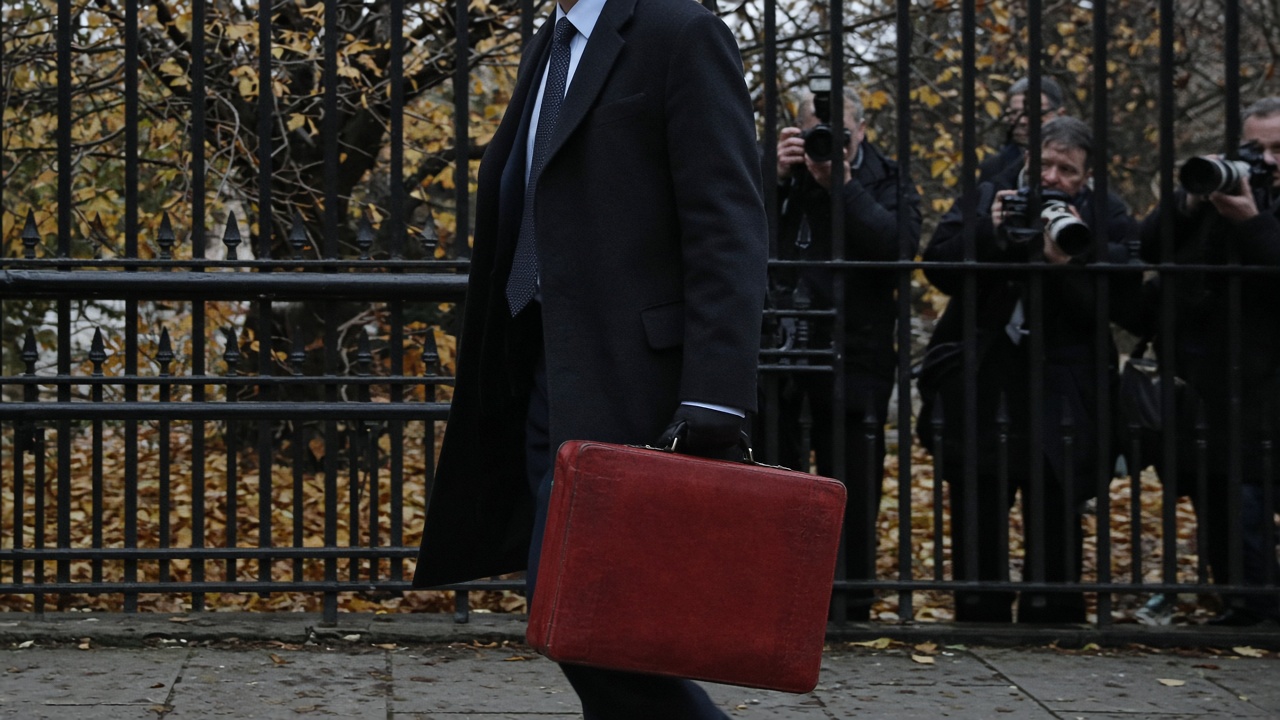
Chancellor John Healey told every government department on Wednesday to find one-percent cuts in capital spending to cover a £4.7 billion shortfall in the Defence Investment Plan, layering fresh reductions on top of similar trims departments were asked to make earlier this year.
Where the money is going
The Defence Investment Plan, unveiled with much of the government’s rearmament agenda, already required departments to sacrifice one percent of capital budgets to fund an initial £10.3 billion tranche of a £15 billion package. Healey’s new instruction closes the remaining gap without raising taxes in his first Budget statement.
Capital budgets pay for long-lived assets such as roads, labs and equipment rather than day-to-day staffing. When departments faced the first round of defence-related capital cuts, several major road schemes were scrapped, a pattern MPs may press ministers to avoid repeating.
What Healey said in the Commons
Delivering his Budget, Healey told the House of Commons he would use the spending review next year to explain how the UK would meet NATO commitments to spend 3.5 percent of gross domestic product on defence by 2035, with an interim target of three percent by 2030. He said work to reach those levels would start “in a fiscally sustainable way” immediately.
Healey also announced £10 billion of economic and military support for Ukraine, combining World Bank loan guarantees, export finance and grant contributions. He told MPs the week began with Russia launching a ballistic missile attack and that President Volodymyr Zelensky welcomed the package as strengthening Kyiv’s position.
Pressure from the opposition
Conservative leader Kemi Badenoch accused Healey of offering “a plan to have a plan” on defence spending, telling the Commons that Vladimir Putin would not be frightened by vague timelines. Liberal Democrat spokespeople urged the government to repair trading ties with Europe even as Healey promised fiscal devolution measures, including local retention of business rates by the end of the decade.
The Office for Budget Responsibility described a challenging backdrop, forecasting higher borrowing and rising interest rates by mid-2027. That outlook limits Healey’s room to fund defence through debt alone, making internal capital reallocations politically sensitive across non-defence portfolios.
How departments will respond
Whitehall officials said individual departments had not yet decided which projects would be paused or scaled back to meet the one-percent instruction. Defence sources stressed that the cuts come from other ministries’ capital lines, not from front-line military equipment already contracted.
Healey also outlined innovative financing ideas, including treaty negotiations with Finland, Poland and the Netherlands on a multilateral defence mechanism and directing the National Wealth Fund and British Business Bank to deploy £5 billion toward defence, dual-use technology and sovereign capability. Those tools are meant to complement, not replace, the capital reallocations.
Calendar ahead
Prime Minister Andy Burnham used Budget day to rule out calling a general election within the next twelve months, telling broadcasters he was focused on a ten-year plan rather than party advantage. That timeline aligns with Healey’s promise to spell out the path to three-percent defence spending at next year’s spending review.
Until then, departments must produce capital savings lists that satisfy the Treasury without triggering revolts from backbenchers whose constituencies depend on infrastructure promised in earlier manifestos. For the Ministry of Defence, the immediate win is a fully funded investment plan; for everyone else, the bill arrives in cancelled or delayed capital projects whose details may emerge only in supplementary statements to Parliament.