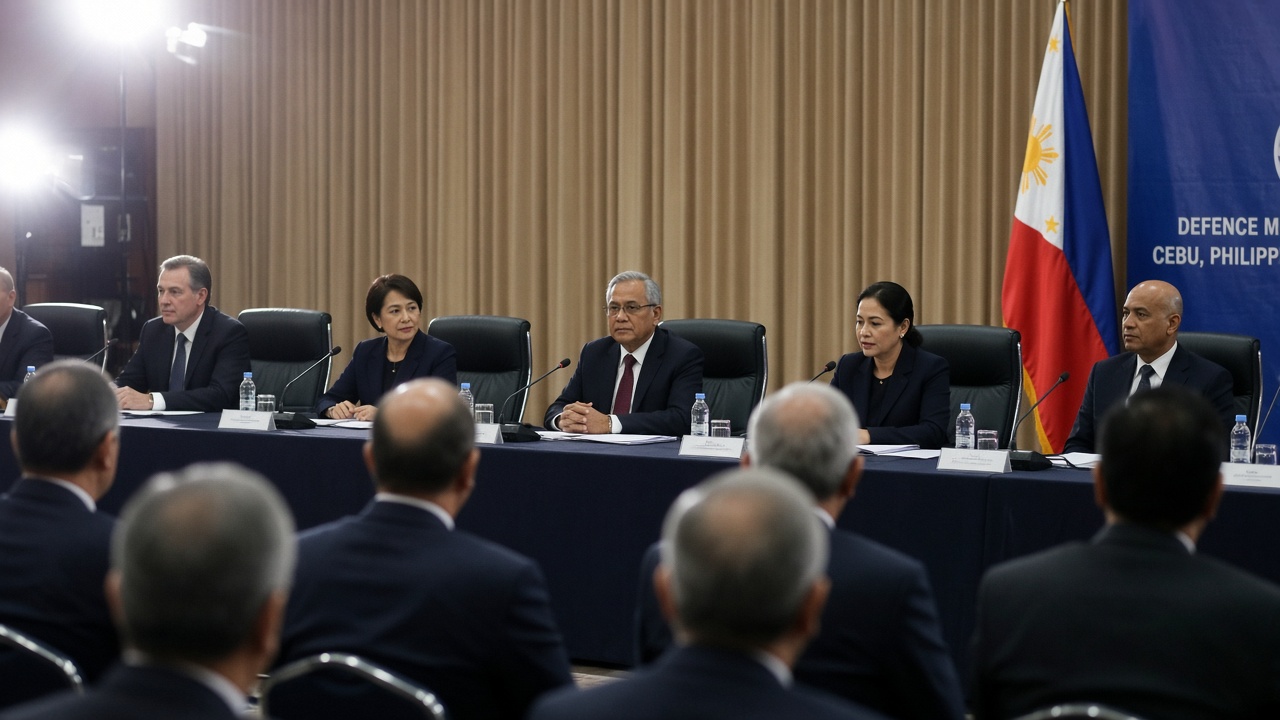
Defence Minister Shinjiro Koizumi will step from a one-on-one meeting with U.S. Defense Secretary Pete Hegseth in Cebu into a much wider room on Wednesday and Thursday, when ASEAN defence ministers and eight external partners—including China and Russia—gather for the ADMM-Plus framework.
Why the expanded session matters for Tokyo
Japan treats ADMM-Plus as one of the few standing venues where senior defence officials from across the Indo-Pacific meet without a NATO-style treaty binding them. For Koizumi, the timing is awkward and useful at once: Tokyo just publicised tighter U.S.-Japan alignment on “denial” posture in the First Island Chain, yet still needs Southeast Asian capitals to see Japan as a stabilising partner rather than a bloc leader.
Japanese officials have said Koizumi's schedule on 28 October includes bilateral and multilateral sideline talks on the margins of the ASEAN Defence Ministers' Meeting. The expanded ADMM-Plus session set for 29 October is expected to bring together representatives of all ten ASEAN members plus Australia, China, India, Japan, New Zealand, South Korea, Russia and the United States, according to regional diplomatic reporting.
Competing narratives in the same hall
China routinely uses ADMM-Plus statements to stress that regional security should be handled by Asians, while the United States emphasises freedom of navigation and alliance networks. Russia's presence, diminished elsewhere after its invasion of Ukraine, still gives Moscow a microphone in Southeast Asian security dialogues that Tokyo cannot simply boycott without alienating hosts in the Philippines.
Koizumi is not expected to table new basing offers or export controls in the plenary. The more likely deliverables are procedural: agreeing to continue maritime exercise working groups, disaster-relief coordination and the slow-moving code-of-conduct diplomacy on the South China Sea that Japan supports but does not lead.
Domestic files travelling with the minister
Back in Tokyo, Koizumi carries two liabilities into the meetings. His ministry is mid-review of national security strategy documents due by year-end, which will set spending and procurement priorities for the Self-Defense Forces. And the arrest of a U.S. Marine in Okinawa on suspicion of robbery and murder has reopened base-behavior questions that Koizumi and Hegseth said they would keep discussing.
None of that removes Japan from the ADMM-Plus table. If anything, hosting in Cebu after a year of Houthi-related shipping anxiety and Middle East spillover gives Southeast Asian ministers a reason to hear out Tokyo on supply-chain resilience and coast-guard coordination—even when strategic mistrust among the major powers remains high.