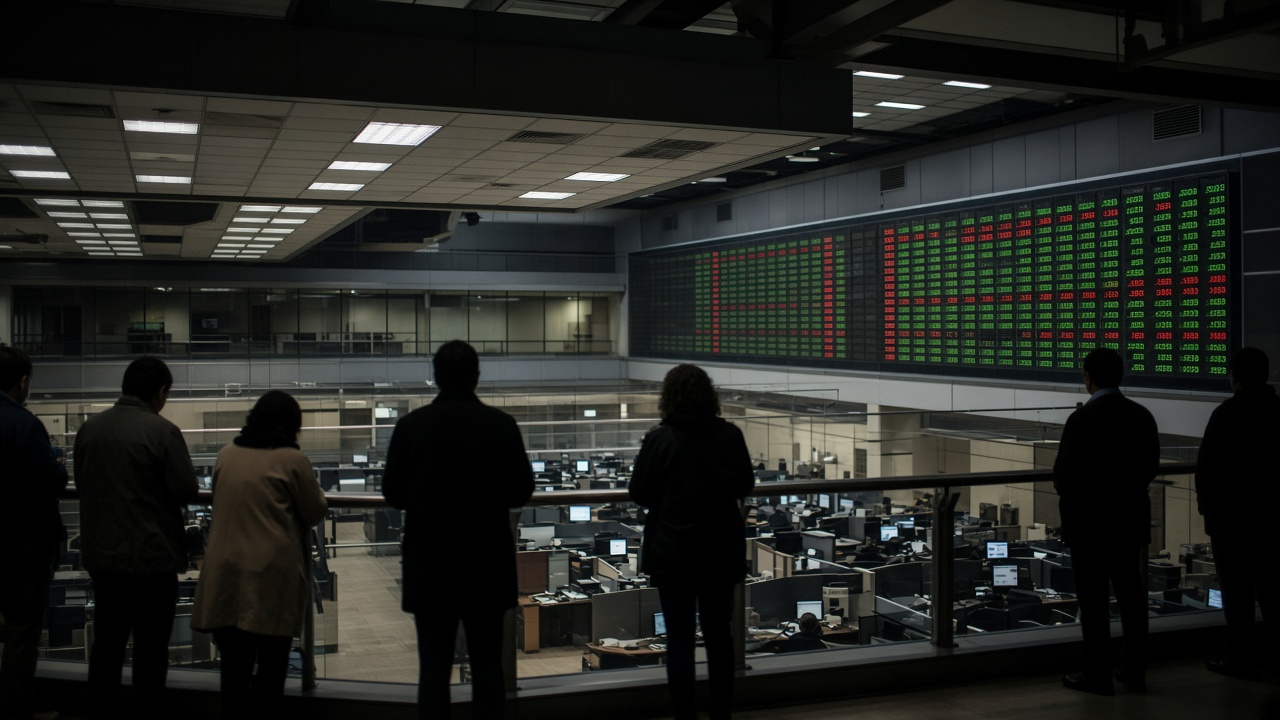
Japan’s Nikkei 225 stock average climbed 1,078.72 points on Tuesday to finish at 63,268.37, a 1.73 percent gain that put the benchmark back above the 63,000 handle as exporters led a session fueled by a softer yen and steady Wall Street cues. The broader Topix rose in tandem, with automakers, electronic components, and trading houses contributing the bulk of index points while domestic banks lagged on fears that higher long-term yields will squeeze lending margins.
Session drivers
Currency markets handed exporters a tailwind: the dollar fetched about 157.86 yen in late Tokyo trade, extending a move that inflates overseas revenue when converted back into yen. Investors also rotated into Japan after U.S. equities eked out a modest gain, reducing the risk that Tokyo would open into a global selloff. Semiconductor equipment names joined the rally as analysts linked strong orders to memory spending, even though individual companies did not release new guidance on Tuesday.
Volume was healthy for a post-holiday week, suggesting offshore funds were participating rather than a thin short-covering spike. Futures markets had priced a positive open after Monday’s consolidation, and cash equities followed through without a late-day fade—a contrast to sessions earlier in October when profit-taking hit exporters at the close.
Sector winners and laggards
Automakers with heavy North American truck exposure led gainers, reflecting both currency translation and expectations that U.S. consumers will keep replacing aging fleets. Precision machinery firms tied to factory automation also rose, benefiting from capital spending stories in Southeast Asia. On the downside, regional banks and life insurers slipped as the 10-year Japanese government bond yield hovered near 2.795 percent, up 0.015 point on the day, signaling that rate volatility is not confined to the United States.
Real estate investment trusts were mixed: office landlords in central Tokyo firmed on return-to-work narratives, while retail REITs with suburban malls faced questions about consumption data due later in the week. Investors treated Tuesday’s move as a continuation of the export-beta trade that has dominated Takaichi’s early months, rather than a bet on sudden domestic stimulus.
Macro crosscurrents
Tuesday’s rally arrived as politicians prepared for another round of talks on cutting lower-house seats, a debate that usually unsettles domestic-focused stocks. Markets largely shrugged, treating fiscal reform as background noise compared with yen levels and U.S. tech earnings. Oil’s retreat—New York crude near $99 a barrel—helped transport stocks and utilities that hedge fuel costs.
Some strategists warned that a Nikkei above 63,000 raises valuation questions: forward price-to-earnings multiples for the Topix are above five-year averages even as the Bank of Japan gradually normalizes policy. Others argue that repatriated profits and shareholder returns justify premium multiples when global peers trade even richer.
What to watch next
Wednesday’s session will test whether exporters can extend gains without fresh yen weakness. U.S. inflation and payroll data later in the week could swing the dollar-yen pair quickly. Domestic investors also await machinery order statistics and consumer confidence surveys that may reveal whether households feel Tuesday’s stock wealth effect.
For portfolio managers, the message from October 27 is familiar: Tokyo remains a leveraged play on currency and global cycle, with Takaichi’s industrial policy adding episodic boosts to defense and energy names. Until household spending accelerates, exporters will likely keep setting the Nikkei’s tone—even when the index punches through psychological levels like 63,000.
Flow and positioning data
Exchange data showed foreign investors net buyers of cash equities for the third straight session, while domestic pension funds trimmed financials and added industrials. Options markets priced modest upside skew on Friday expiries, suggesting traders expect range-bound trade unless U.S. data surprises. Margin trading outstanding ticked higher, a caution flag for regulators who remember volatility spikes when leveraged accounts unwind simultaneously.