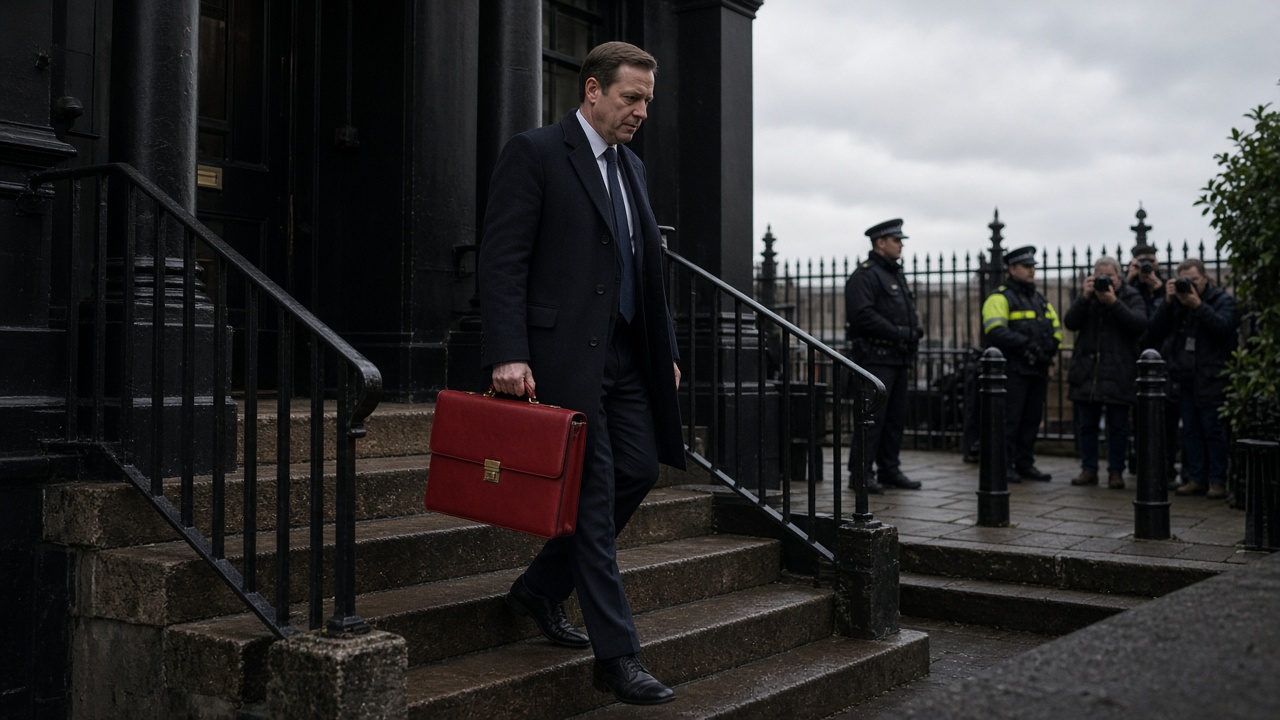
Chancellor John Healey told the House of Commons on Wednesday that he is scrapping his predecessor Rachel Reeves's plan to cut the tax-free cash Isa allowance to £12,000 for under-65s, keeping the £20,000 annual limit intact while pitching a new Starter Isa aimed at first-time investors.
Reeves had argued last year that capping cash Isas would push savers toward stocks and shares, but banks, building societies and consumer groups warned that a two-tier allowance would confuse millions of people who rely on cash products. Healey said it was better to drop the cut and improve financial education rather than restrict tax-free cash savings.
Help on bills, pressure on banks
The Budget also promised a £100 household energy payment for up to 20 million homes in council tax bands A to D in England, with Treasury documents saying devolved governments would receive funding for similar support in Scotland, Wales and Northern Ireland. Healey said the payment would be funded by raising the bank corporation tax surcharge from 3% to 6% for 15 months before it ends on 31 March 2028.
On energy structure, the government said it would ask Ofgem to abolish gas standing charges and move those costs into unit rates, building on an earlier pledge to remove the fixed fee before Healey stood at the despatch box. Ministers also extended a temporary VAT cut on electricity bills until 1 July 2027 and scrapped a planned gas-bill levy that was meant to fund hydrogen projects, saying those schemes would be publicly funded instead.
Tax trade-offs on savings
While Healey reversed the Isa cap, he did not leave savers untouched. From April 2027, people will pay an extra four percentage points of income tax on savings interest above their personal allowance, a move Treasury officials framed as aligning tax on cash returns with broader fiscal choices. The Office for Budget Responsibility, publishing alongside the statement, said real household disposable income per person has grown so slowly since the financial crisis that living standards may be only about 1% higher by the end of the decade than before the pandemic.
Opposition leaders seized on that forecast. Conservative leader Kemi Badenoch said the package was not bold enough, while Liberal Democrats pressed the government to repair trade ties with Europe. Labour MPs focused on the immediate cost-of-living measures, including a fuel-duty freeze and an April 2027 national living wage rise to £13.21 an hour.
What households should watch
Details on the Starter Isa, including eligibility rules and how it interacts with the existing £20,000 wrapper, will land in HMRC guidance over the coming weeks. Energy retailers and Ofgem will need to translate standing-charge reform into billing systems, a process that could take months even after policy decisions are final.
For now, the political headline is a Chancellor distancing himself from a contested Reeves legacy on Isas while still raising revenue from banks and some savers to pay for short-term bill relief. Whether that balance holds through the next election cycle will depend on inflation, wholesale gas prices and whether voters feel the "breathing space" Healey promised in his Budget title.