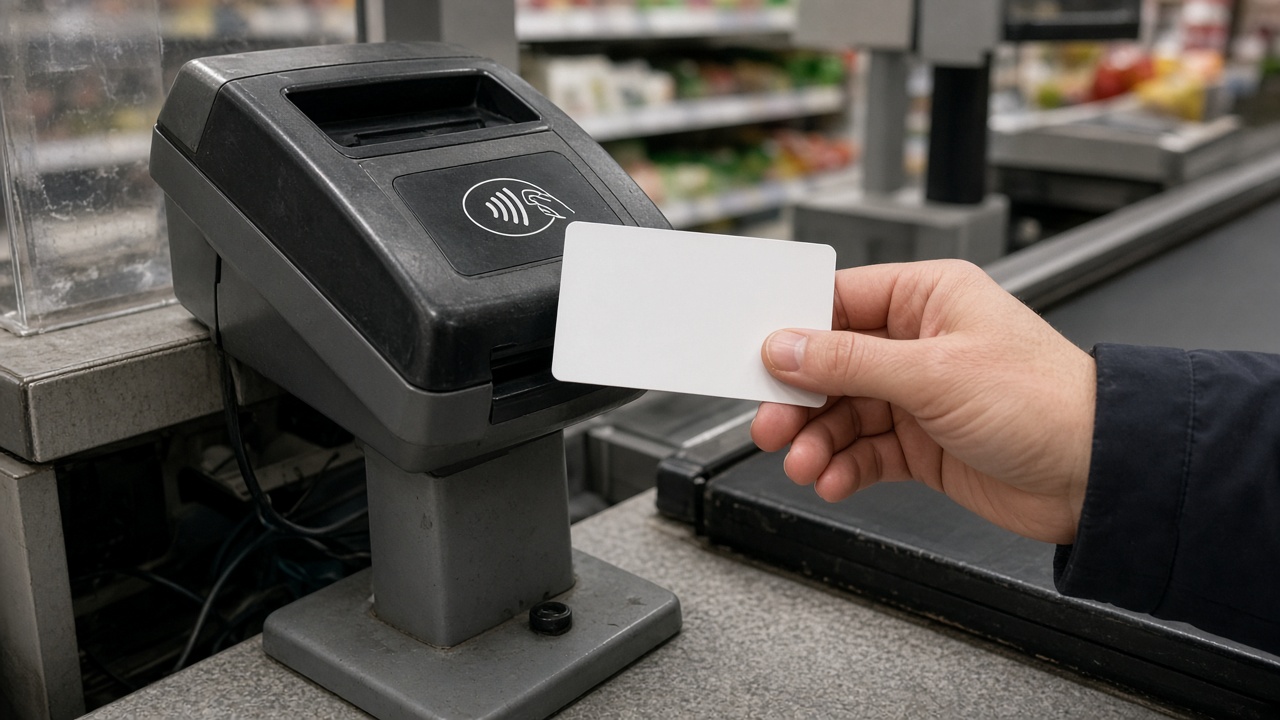
The U.S. Department of Agriculture proposed requiring every state to issue chip-enabled Supplemental Nutrition Assistance Program cards and mandating that grocers accept tap-to-pay EBT—a security upgrade banks adopted years ago that SNAP administrators have only partially rolled out while skimming losses mounted.
Why magnetic stripes became a target
NPR reported October 26 that most SNAP purchases still rely on magnetic-stripe swipes, which copy easily when thieves attach skimming devices to checkout terminals. Commercial debit cards shifted to EMV chips and contactless payments over the past decade; fewer than a third of states had moved SNAP cards to comparable technology when USDA published its proposed rule in the Federal Register on October 23.
The Food and Nutrition Administration, which runs SNAP, tied the proposal directly to benefit theft. Its summary states the changes would protect balances from thieves and keep food aid accessible to eligible households.
Scale of the theft problem
USDA’s Office of Inspector General projected in January that SNAP skimming could reach $233 million between 2025 and 2026. ProPublica’s investigation, using data from Propel, an app many recipients use to check balances, put 2025 electronic theft at $470 million nationwide. Victims often receive no reimbursement: most states still do not replace stolen benefits, forcing families to skip meals or borrow cash for groceries.
What states and stores must do
The proposed rule would compel state agencies to reissue chip cards and upgrade payment infrastructure. Retailers that accept SNAP would need terminals capable of contactless EBT—a capital expense for small grocers already operating on thin margins. USDA will accept written comments through December 22, 2026, before finalizing requirements.
California and a handful of other states have piloted chip EBT or tap payments; the proposal nationalizes that direction rather than leaving security patchwork across state lines. Shoppers who split purchases between SNAP and cash may see longer checkout migrations as stores update firmware.
Political and budget stakes
Congressional oversight hearings this year featured stories of families losing a full month’s food budget overnight. The Trump administration’s push aligns with broader fraud narratives while addressing a problem both parties acknowledge, though lawmakers may debate who pays for terminal upgrades—states, retailers, or federal grants.
Until a final rule lands, recipients should treat EBT PIN entry like ATM use: shield keypads, monitor balances daily through state portals or apps like Propel, and report suspicious transactions immediately even if reimbursement is uncertain.
Calendar for households
Nothing in the proposal replaces benefits automatically if you are skimmed today. Keep receipts, document unauthorized transactions, and push state agencies for replacement policies where they exist. When chip cards arrive, activate them promptly and destroy old magnetic-stripe cards so thieves cannot reuse cloned data.
What commenters will fight over
Retail trade groups may ask for longer compliance timelines and hardware subsidies. Privacy advocates may scrutinize how contactless data is logged. USDA’s final rule will determine effective dates—watch the Federal Register docket after the comment window closes in late December.