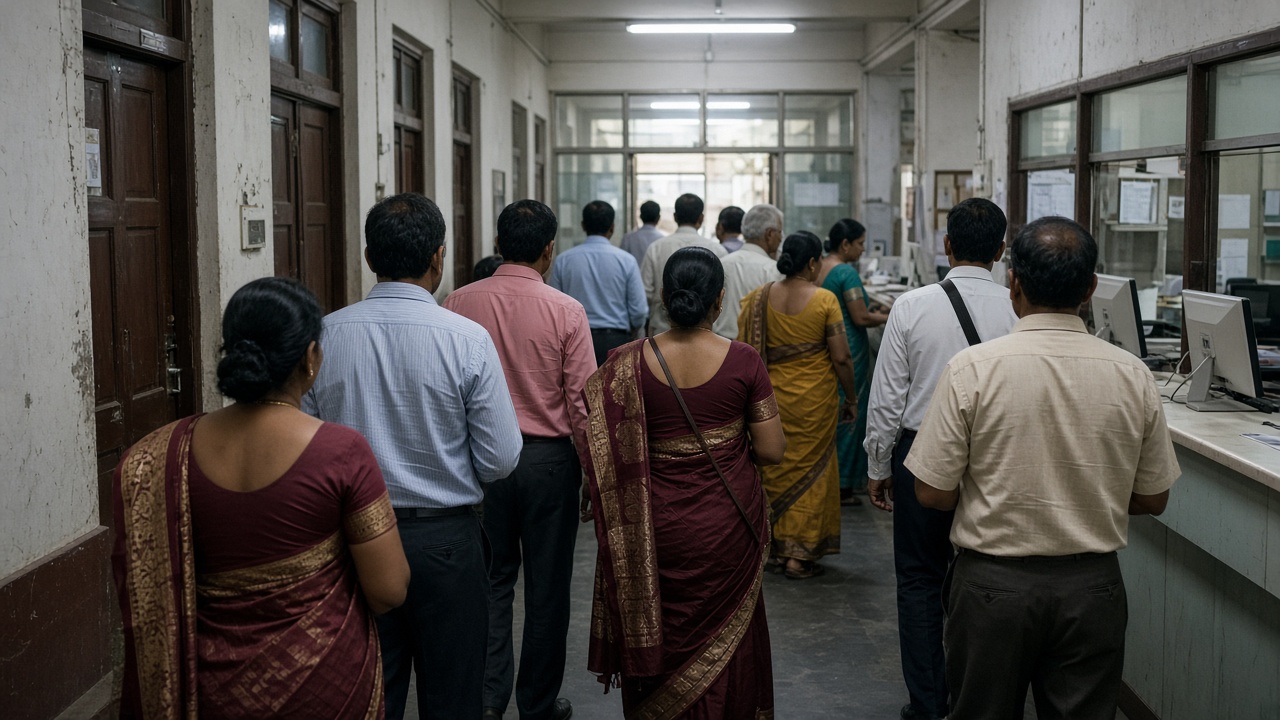
Chief Minister Devendra Fadnavis chaired a Mahasarathi portal review at Sahyadri Guest House in Mumbai on Wednesday, 28 October, where officials rolled out Aaple Sarkar 2.0 with 71 new transport department services among broader digital upgrades. Vikram Reddy’s technology desk tracks these releases because they change how residents renew permits, pay fines and book appointments without visiting RTO counters.
What landed on Aaple Sarkar
State releases said 61 of the 71 transport services originate from the motor vehicles department, covering learner licences, fitness certificates, permit payments and status tracking that previously required separate portals or in-person tokens. The remaining ten services span allied transport agencies bundled into the unified citizen interface launched as Aaple Sarkar 2.0.
The same meeting introduced MahaDBT 2.0 with 36 schemes—including 24 fisheries programmes—and expanded Maitri portal services for legal metrology. Transport additions are the slice most Mumbai commuters will notice when Diwali travel spikes demand for licence renewals and vehicle registrations.
Integration story
Fadnavis said Maharashtra is integrating department databases through application programming interfaces so beneficiary data and scheme utilization update continuously. MahaID, described as a soft-launched identity layer with more than one crore IDs generated, will eventually underpin Aaple Sarkar logins once backend links finish.
Why it matters now
Digital service expansions often fail in the last mile—payment gateway timeouts, incomplete document uploads, or offices that still demand physical files. Transport services are particularly sensitive because missed deadlines can ground commercial fleets. Officials directed departments to finish pending Mahasarathi integrations before advertising the new transport bundle statewide.
For residents, the practical test is whether the 71 services show live appointment slots and downloadable receipts on mobile browsers, not just desktop forms. The 28 October launch is policy intent; usability data will come from November ticket volumes at regional transport offices comparing online versus walk-in counts.
Field checks
Regional transport offices in Pune and Nagpur said online appointment slots for learner licences filled faster on 28 October after the portal push, though walk-in queues persisted where biometric capture devices failed. Technicians must sync Sarathi backend data with Aaple Sarkar receipts to avoid duplicate payments.
Cybersecurity teams warned citizens to use only the official Aaple Sarkar domain linked from Maharashtra.gov.in, because fake RTO payment pages spike whenever new services launch.
Desk outlook
Traders heading into Thursday’s session will cross-check overnight U.S. futures, Gift Nifty hints, and Brent moves before sizing positions. Domestic systematic flows typically credit on the first business day of the month as well, adding another support layer unrelated to headline foreign sales. Portfolio managers said they would rather add on midcap weakness tied to crude scares than chase IT rebounds without client earnings upgrades from U.S. tech names.
Retail investors reading only closing index numbers miss that breadth improved even when the Nifty 50 finished red. That distinction matters for asset allocators deciding whether to rebalance toward domestic consumption themes ahead of festival spending data. Officials have not signaled fresh market-wide curbs; the story remains macro positioning until company guidance proves otherwise.
Commuter impact
Driving schools reported higher online learner-test bookings on 28 October, while commercial fleet owners asked whether fitness certificate renewals would accept digital receipts during the rollout week. RTO inspectors said field audits would continue alongside portal metrics so unsafe vehicles cannot hide behind pending statuses.