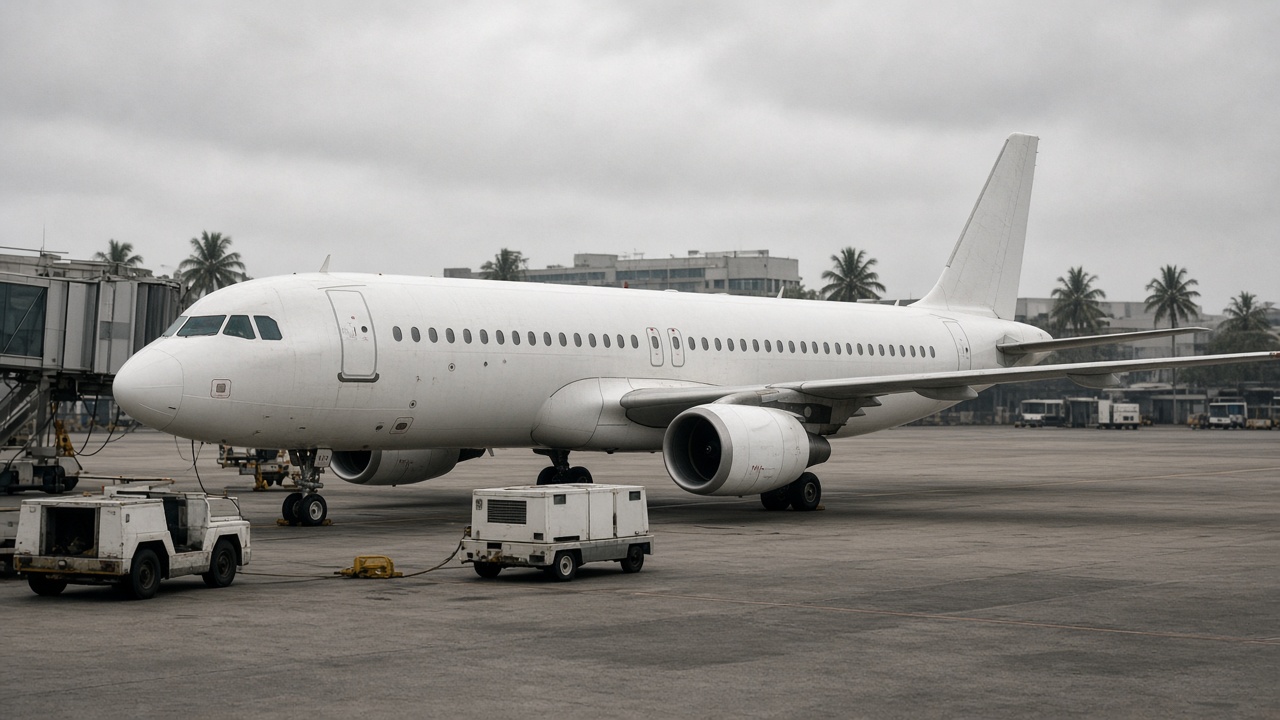
Air India and SBI Card announced on Tuesday, 28 October, that they will develop a Visa-powered co-branded credit card for members of the airline’s Maharaja Club loyalty programme, pairing India’s flag carrier with the country’s largest pure-play card issuer. Chief executive Tewolde Gebremariam and SBI Card managing director Salila Pande signed the partnership alongside Visa’s Oliver Jenkyn and Air India commercial chief Nipun Aggarwal at a Mumbai briefing covered by trade press.
What the card is meant to do
The companies said the product will bundle travel and lifestyle rewards for frequent flyers, leveraging Maharaja Club’s redesigned tiers and partnerships across hospitality, retail and financial services. Maharaja Club added more than five million members since its 2024 relaunch, according to the airline’s release, and members can earn and redeem points on Air India, Air India Express and Star Alliance partners serving 104 destinations.
SBI Card already runs high-volume co-brands, including the recently launched Eternal SBI Card with Zomato-owned platforms. The Air India tie-up targets a different spend pool: international tickets, lounge access, and mileage accrual that cardholders expect to reconcile with loyalty statements rather than cashback ledgers.
Regulatory backdrop
Reserve Bank of India master directions updated on 1 October require co-branded issuers to disclose revenue-sharing arrangements on their websites and in cardholder communications, and to keep co-brand partners out of transaction data beyond grievance routing. Nisha Kapoor’s credit-card desk notes those rules matter when airlines market cards as extensions of loyalty apps rather than bank products.
Competitive field
HDFC Bank, ICICI Bank and Axis Bank already operate travel-heavy portfolios with lounge and forex markup bundles. Air India’s card will need clear earn rates on Maharaja Points and transparent foreign-currency markup to compete during Diwali travel bookings. The partners did not publish fee tables on 28 October, saying product specifics would follow ahead of launch.
What cardholders should watch
Until terms drop, Maharaja Club members should compare existing cards’ forex markup, insurance on ticket purchases, and dispute processes. Co-brand launches often promise bonus miles in year one; the durable value sits in ongoing earn ratios and whether lounge access is capped quarterly. SBI Card’s statement emphasized a simplified Maharaja structure—details distributors will parse once the application flow goes live on bank and airline channels.
Launch timeline
Air India’s release did not specify application dates, but Maharaja Club members expect onboarding through the airline app with bank know-your-customer steps mirrored from other SBI co-brands. Visa’s involvement signals global acceptance priorities for long-haul routes restored after the Tata takeover integration.
Delhi airport counters and Mumbai lounges will likely market the card to business travelers first, where annual fees can be amortized against mileage bonuses. Mass-market flyers will watch whether reward points expire faster than Maharaja Club status tiers.
Desk outlook
Traders heading into Thursday’s session will cross-check overnight U.S. futures, Gift Nifty hints, and Brent moves before sizing positions. Domestic systematic flows typically credit on the first business day of the month as well, adding another support layer unrelated to headline foreign sales. Portfolio managers said they would rather add on midcap weakness tied to crude scares than chase IT rebounds without client earnings upgrades from U.S. tech names.
Retail investors reading only closing index numbers miss that breadth improved even when the Nifty 50 finished red. That distinction matters for asset allocators deciding whether to rebalance toward domestic consumption themes ahead of festival spending data. Officials have not signaled fresh market-wide curbs; the story remains macro positioning until company guidance proves otherwise.