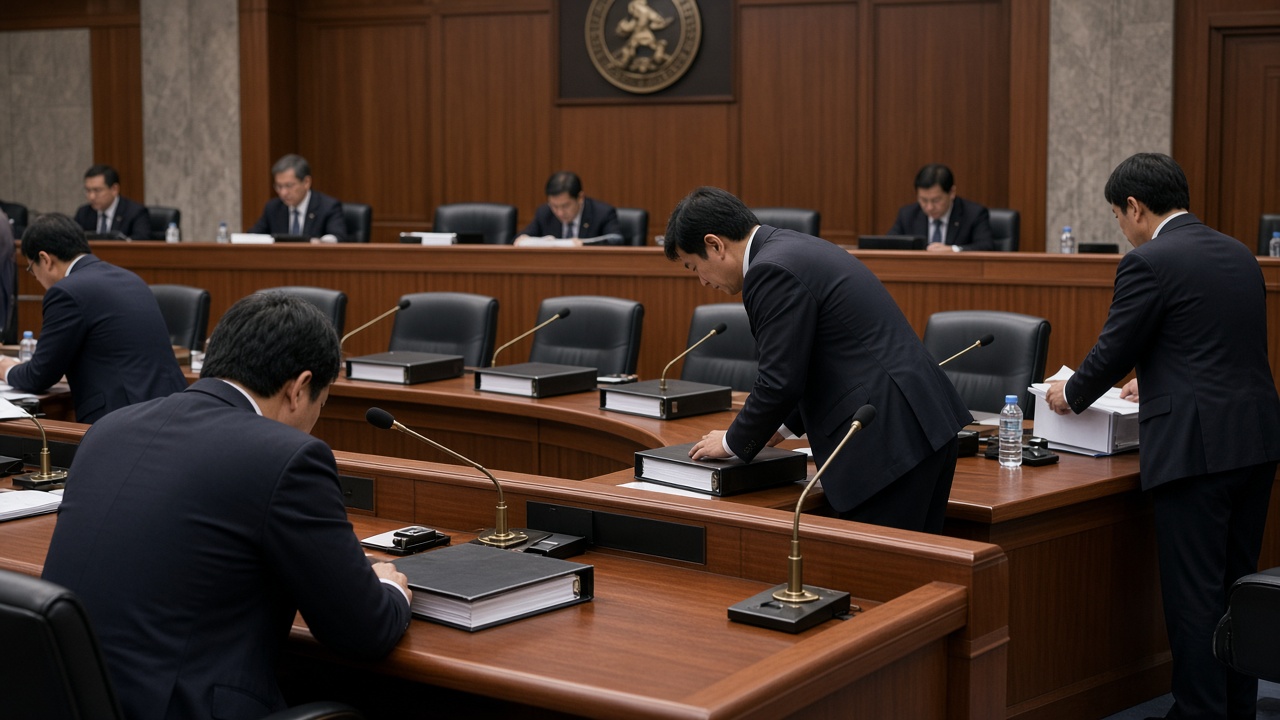
The Ministry of Trade, Industry and Energy sent auto tariff memorandum text to the National Assembly trade committee Wednesday, ahead of a Friday public briefing that officials said would show U.S. duties on Korean vehicle exports stepping down toward 15 percent if both governments sign within weeks.
What lawmakers receive
The packet includes English and Korean versions of tariff schedule changes, side letters on rules-of-origin for electric vehicles, and a dispute panel framework. Committee staffers get a classified annex on sensitive pricing assumptions redacted for public release. Opposition members demanded the full annex before consent votes on implementing legislation.
Industry stakes
Hyundai Motor and Kia export roughly four in ten domestic-built cars to North America; each point of tariff hits margin on Tucson and Sportage crossovers assembled in Ulsan and Georgia. Parts suppliers seek clarity on whether battery modules count toward regional value content under the MOU math trade negotiator Kim Yong-beom outlined Tuesday.
Timeline pressure
Seoul wants assembly notification before the U.S. midterm calendar consumes Washington bandwidth. Friday’s briefing follows President Lee Jae Myung’s Gyeongju summit with President Donald Trump, where both leaders cited near-final trade language. Missing the window could leave 25 percent effective rates on some lines through year-end.
Labor and regions
Ulsan and Gwangju unions asked for job guarantees if tariff relief accelerates export shifts toward U.S. plants. The ministry’s packet mentions a worker retraining envelope but not binding quotas. Regional governors want export credit support for small tier-two suppliers hurt by won swings during negotiations.
What opposition wants
Democratic Party trade critics said they will subpoena negotiators if side letters hide agricultural concessions. The government insists autos were decoupled from rice market access in this MOU round. Committee hearings start Monday with closed sessions for commercial secrets.
For investors
Autos rallied modestly into the summit; confirmation of 15 percent caps could extend gains if origin rules favor Korean battery supply chains. Watch Friday’s redacted slides for EV credit interactions with U.S. Inflation Reduction Act sourcing—details there move Hyundai and LG Energy Solution more than headline tariff percentages alone.
Public release plan
Redacted MOU summaries will post on the trade ministry site after Friday’s briefing; classified annexes stay in committee rooms. Media will receive English talking points aligned with Washington releases to avoid conflicting tariff tables.
Committee calendar
Hearings continue through November with separate sessions for parts suppliers and battery makers seeking origin clarifications before winter export shipping peaks.