The Brihanmumbai Municipal Corporation told residents in multiple wards—and pockets of Thane and Bhiwandi served by Mumbai pipelines—to boil and filter drinking water for seven days after recommissioning compartment 2 of the Yewai Master Balancing Reservoir at the Pise-Panjrapur complex on Wednesday, 28 October. Sameer Khan’s health desk covers the advisory because sediment disturbances can raise turbidity even without confirmed pathogens.
Why the alert went out
Repair work on the compartment finished this week, and bringing it online can stir deposits in trunk mains. The BMC said it had not confirmed contamination but issued a preventive notice covering island city wards including Naval Dockyard and Mumbai Port Trust areas in A Ward, entire B, E, F-South and F-North wards, eastern suburbs from Mulund through Kurla, and M-East and M-West.
Thane connections
The Thane Municipal Corporation echoed the warning for 20 neighborhoods fed by BMC’s Pise-Panjrapur line, including Kopri-Anand Nagar, Jambhli Naka, Masunda Lake surroundings and Pachpakhadi. Those areas do not rely on Thane’s standalone supply, so coordination between corporations matters for consistent messaging.
Household practice
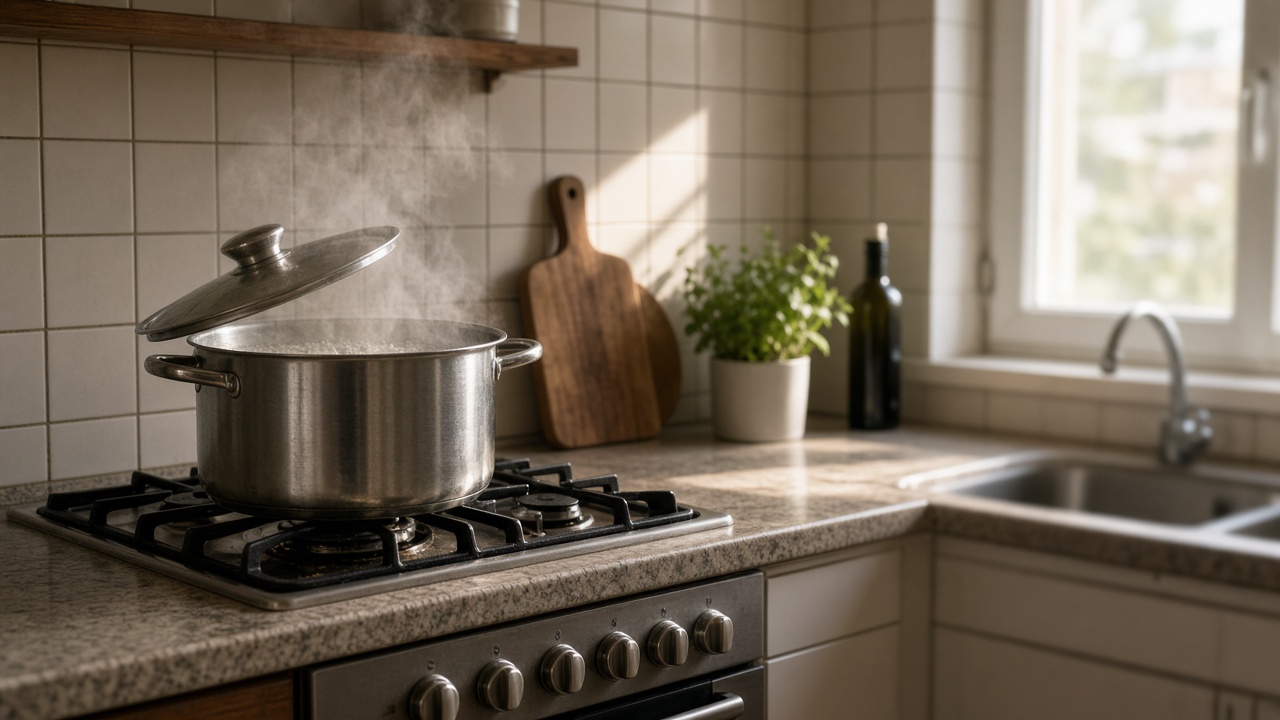
Officials recommend rolling boils for one minute, cooling covered vessels, and using clean utensils. Point-of-use filters help only if cartridges are new; clogged filters pass turbidity. Schools and street vendors should pause direct tap service for drinking until the window ends or the BMC lifts the notice.
What officials owe next
Residents need daily test summaries posted on BMC and TMC sites, not just static PDFs. If chlorination logs show stability before seven days, authorities should shorten the advisory to maintain trust. Until then, boiling remains the low-tech safeguard after a major reservoir compartment returns online.
Hospital readiness
Municipal hospitals switched to bottled stock for immunocompromised wards and dialysis units, according to staff briefings cited in local evening broadcasts. Outpatient departments posted boil-water notices in Marathi, Hindi and English at registration counters.
Thane’s parallel seven-day guidance covers pipeline-fed neighborhoods while El Niño-related conservation appeals ask residents to avoid pressure-jet car washing—separate issues that nonetheless strain household attention simultaneously.
What readers should do
Households and small businesses should treat official advisories as living documents—check municipal websites each morning for updates rather than assuming the initial timeline runs full course. Community housing societies can share verified links on notice boards to counter rumor chains on messaging apps. Local journalists play a role translating bureaucratic language into ward-level action lists so elderly residents know which taps need boiling or which portals handle renewals.
Food service
Restaurants Association members in South Mumbai said they switched to commercial filtered water vendors for cooking stocks while keeping boiled water for drinking stations. Inspectors planned spot checks to ensure stalls do not sell chilled drinks made from unboiled taps during the advisory window.