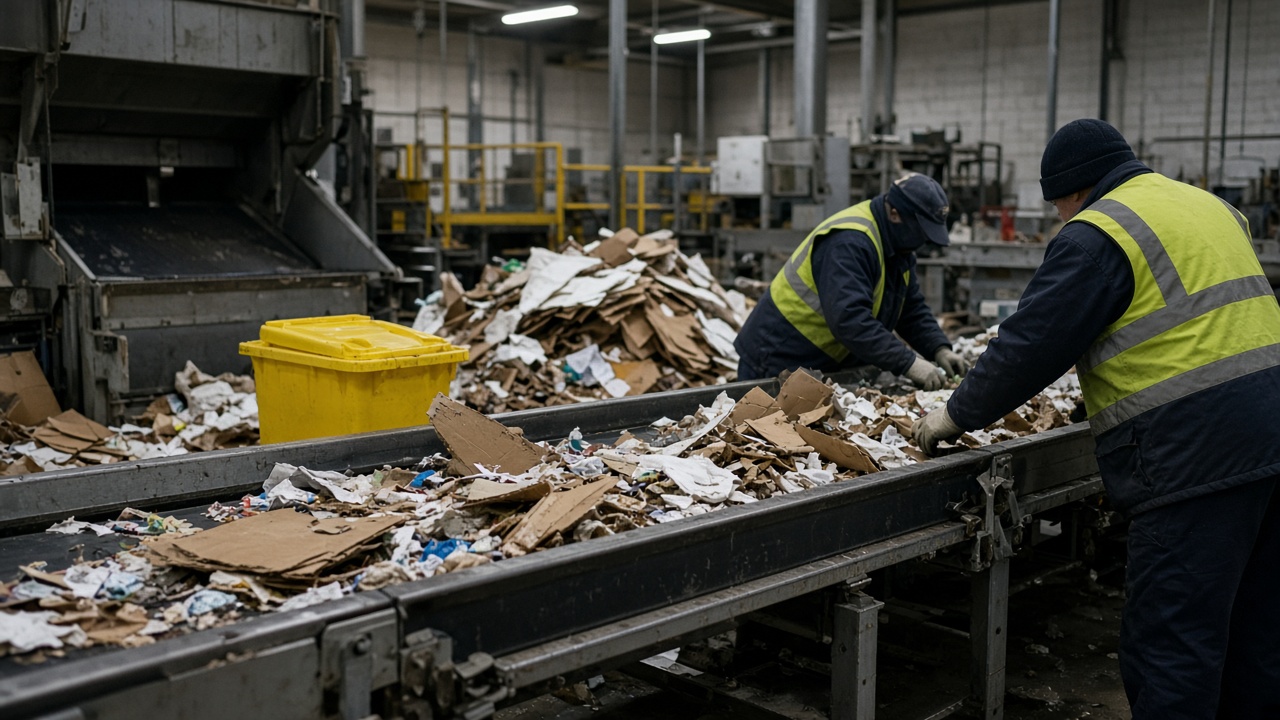
Used needles from injectable weight-loss medicines are turning up in household recycling in Coventry, recycling managers warned this week, exposing sort-line staff to puncture injuries and long waits for infection screening.
At Sherborne Recycling’s plant, which handles waste for local authorities serving about 1.5 million residents, supervisors said sharps containers crushed in wheelie bins were splitting open on fast-moving belts. BBC West Midlands filmed a yellow clinical-waste box arriving open on a conveyor, with needles spilling among paper and plastics that workers pick by hand.
What workers are seeing on the line
Supervisor Paul Pagett told the BBC that residents sometimes put full sharps boxes into recycling collections. Compactor lorries crush the containers before material reaches the plant, which means staff can encounter loose needles without warning. Pagett keeps a cupboard of recovered sharps boxes collected since the start of the year, many likely linked to insulin therapy where patients receive official disposal routes, but managers said privately prescribed Mounjaro and Wegovy pens are adding a new stream.
People who buy weight-loss injections online or through private clinics may not receive the same counselling on clinical waste that NHS patients get. Without a pharmacy-issued sharps bin, used pens can end up in general rubbish or, wrongly, in recycling streams meant for dry packaging.
Why managers say the risk is rising
Managing director Richard Dobbs said the worst place for a needle is a recycling facility where humans touch material before it is baled. A needle stick triggers blood tests and months of uncertainty even when infections are ultimately ruled out. Dobbs described the anxiety as “devastating” on the rare occasions results are not clear.
Only a handful of Sherborne staff work directly on the sort line, but other UK MRFs employ larger teams on similar belts. The Coventry warning lands alongside national headlines about GLP-1 demand and shortages; the waste sector’s concern is that packaging growth is outpacing public guidance on safe disposal.
What regulators expect
Used sharps should go through dedicated clinical waste collections arranged via GPs or pharmacies, not into domestic recycling. Coventry’s message mirrors NHS England advice that pen devices stay intact until placed in approved containers. Recycling is not a shortcut: mixed streams are sorted mechanically and manually, and needles can pierce gloves designed for splinters, not syringes.
Local authorities can issue contamination notices, but enforcement is harder when the source household is anonymous inside a commingled load. Plant managers want clearer labelling on private prescriptions and stronger messaging from online pharmacies that ship pens without face-to-face waste briefings.
What residents should do
Anyone using injectable medicines should ask their prescriber for a sharps bin and follow pharmacy take-back or municipal clinical waste routes. If a container is full, seal it and book a collection rather than placing it in a blue or green bin.
For recycling workers, the immediate ask is simpler: treat any sharp as potentially infectious, stop the line if needed, and report sticks through occupational health pathways. Coventry’s plant will keep screening loads, but managers said the only durable fix is keeping needles out of recycling altogether.