Defence Science and Technology Group opened a vendor evaluation cell in Canberra on Wednesday where contractors must pass red-team tests before large language models can connect to classified Australian military networks.
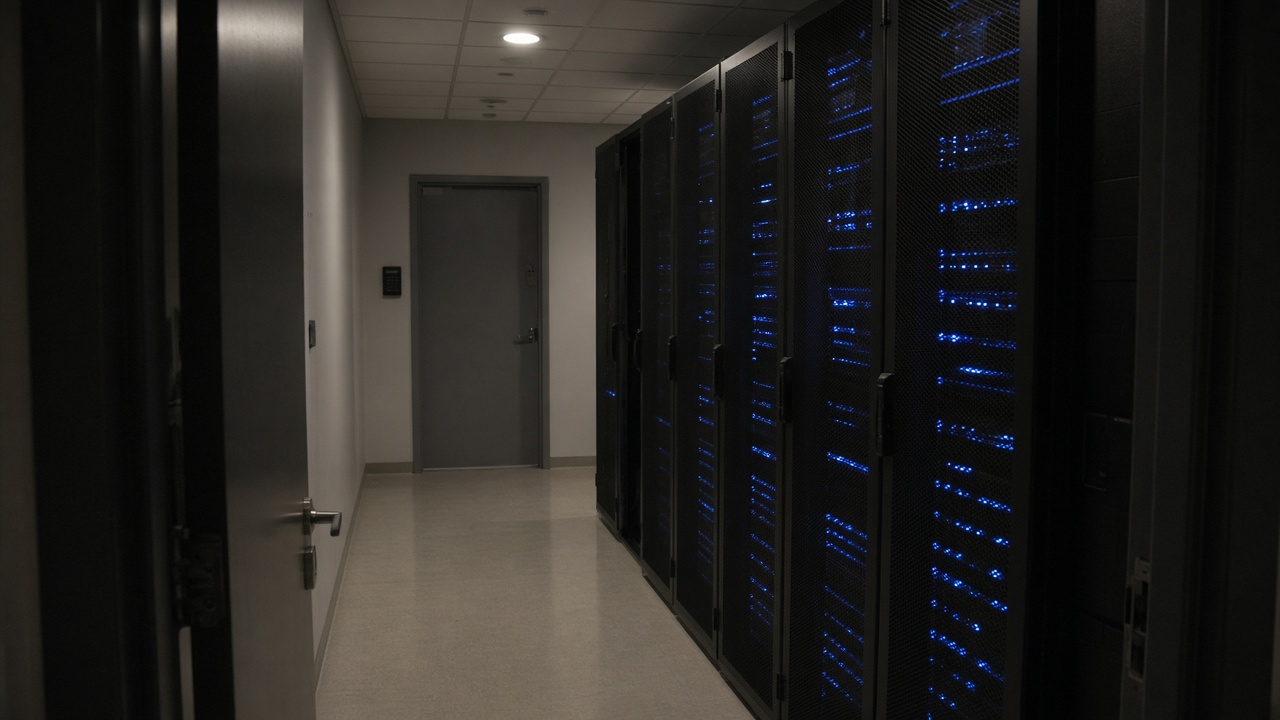
The facility, staffed by DSTG cyber specialists and ADF legal officers, runs models inside air-gapped racks that mirror production enclaves used by Navy and Air Force logistics units. Vendors pay bench fees but receive detailed failure reports if models leak training data or hallucinate command identifiers.
Why Defence moved now
Assistant Minister for Defence Matt Keogh said the cell responds to unsolicited proposals flooding Defence procurement since generative AI went mainstream. "We will not paste ChatGPT into a submarine maintenance workflow because a sales deck looked slick," Keogh told reporters outside Russell Offices.
The evaluation separates from CSIRO's civilian sovereign model fine-tuning grants announced last week. DSTG chief scientist Tanya Monro said military use cases require stricter controls on prompt logging and weight updates, especially when models might see export-controlled maintenance manuals.
How testing works
Vendors submit containerised models along with data sheets listing training corpora. DSTG teams attempt prompt injections that ask for signals intelligence fragments, run automated bias probes on personnel actions, and measure latency on low-bandwidth links meant to simulate forward operating bases. Models that pass receive a time-limited accreditation letter; failures are logged in a shared portal other agencies can query.
Initial participants include an Australian startup fine-tuning open-weight models on de-identified supply-chain forms and a US defence prime offering a offline translation bundle for Pacific island engagement.
Industry reaction
The Australian Information Industry Association welcomed the clarity but warned bench fees could exclude smaller firms. Keogh said fee waivers exist for universities partnering with ADF academies.
Labour's cyber spokesperson said parallel civilian accreditation through the Digital Transformation Agency remains overdue, risking divergent standards across government.
Relationship to election season
The launch lands four weeks before federal campaigning intensifies, when political parties themselves are trialling content-credentials tools to label synthetic ads. DSTG said no election-related data will enter the cell, but the same staff who evaluate vendor models advised the Australian Electoral Commission on deepfake tabletop exercises in September.
What comes next
A public summary of evaluation criteria will publish in December, including minimum scores on factual grounding for logistics queries. Monro said successful models might still require human-in-the-loop approval for any action that moves materiel or personnel.
Allied coordination
Five Eyes partners will observe two evaluation cycles under existing technology protection agreements, though only Australian data sets will enter the racks. New Zealand Defence Force observers attended Wednesday's opening, reflecting AUKUS Pillar II software goals without importing US classification labels onto Australian servers.
DSTG said average evaluation cycles will run six weeks for small models and twelve for multimodal systems that ingest maintenance video. Vendors that fail may reapply after patching but must disclose diffs to prior submissions.