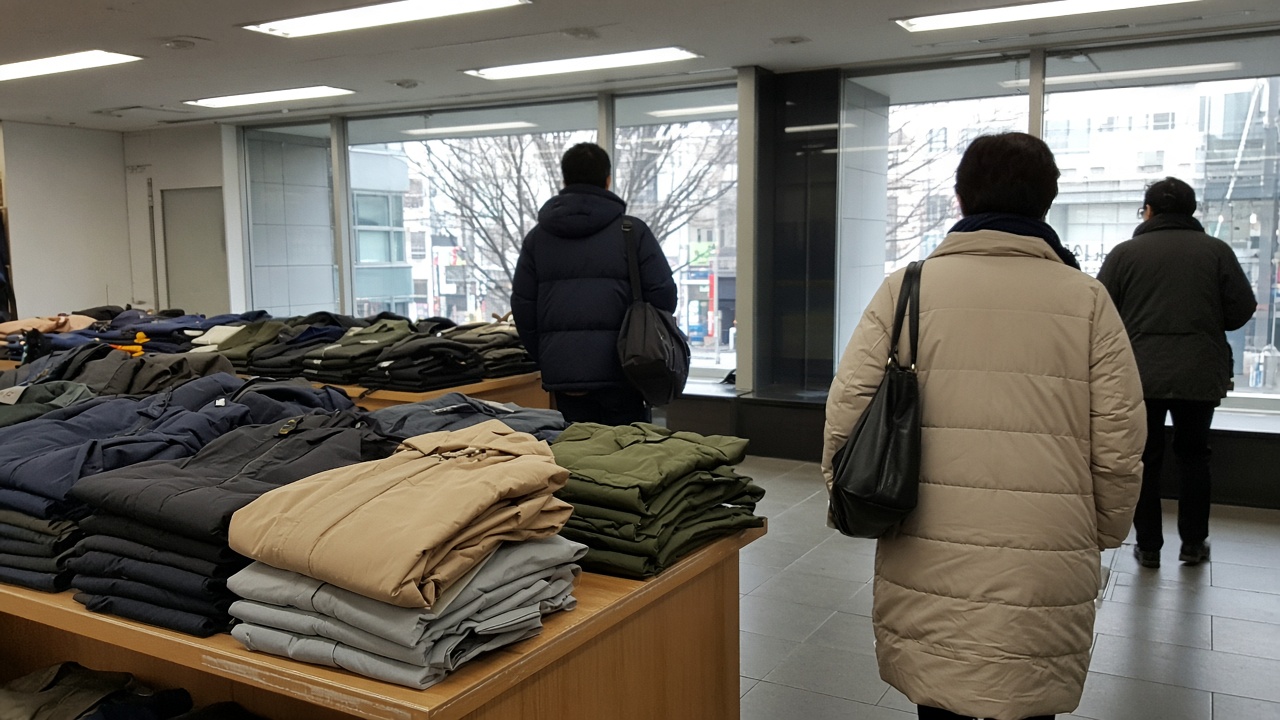
Fast Retailing Co. reported that Uniqlo Japan same-store sales rose sharply in October as an early cold spell pulled forward Heattech and outerwear purchases, with management telling analysts the month supports its unchanged full-year operating profit view even as cotton and freight costs stay uneven across regions.
What the October release showed
The company’s monthly filing, released before the Tokyo open Wednesday, said domestic Uniqlo comparable sales gained about 11 percent from a year earlier, led by women’s thermal layers and lightweight down alternatives priced below last winter’s peaks on selected SKUs. E-commerce picked up after app push alerts tied temperature drops in Sapporo and Sendai, while mall stores in greater Tokyo saw traffic recover from a rainy September that had suppressed weekend try-ons.
Asia ex-Japan Uniqlo posted a similar mid-teens comparable pace, with mainland China and South Korea benefiting from coordinated Heattech campaigns and earlier shipment of fleece lines that had stuck in ports during summer inventory corrections. CFO commentary on the call emphasized that markdown depth stayed shallower than the prior October, when leftover spring inventory forced wider clearances on transitional jackets.
Store managers in Nagoya and Fukuoka said weekday lunchtime traffic rose when employers kept office heat low, nudging commuters to buy extra base layers on the way home. Kids’ Heattech sizes sold through faster than planners expected after school newsletters reminded parents about outdoor festival days in chilly mornings.
Profit guidance and yen
Fast Retailing left consolidated operating profit guidance in place for the fiscal year ending August 2027, framing October as evidence that full-price sell-through can offset wage and utility inflation in Japanese stores. Executives noted yen moves remain a swing factor on translated overseas profit, but domestic gross margin held as fabric hedges rolled off favorably on core cotton basics.
Investors had asked whether a warm November would force guidance cuts; management answered that buy-now-wear-now demand for Heattech historically decouples from late-autumn averages when marketing highlights functional fabrics rather than fashion drops alone. GU and Theory brands were mentioned only briefly, with Uniqlo still driving the narrative on the release deck.
Chief executive Tadashi Yanai did not join the monthly call, but prepared remarks repeated that operating profit growth should come from revenue expansion rather than aggressive discounting—a line equity analysts compare with H&M and Inditex updates in the same week.
Supply and next quarter
Merchandise planners said factory partners in Bangladesh and Vietnam cleared autumn commitments on schedule after summer quality audits, reducing the need for air freight on key Heattech sizes that had been rationed in 2025. Warehouse automation at the Ariake logistics hub cut outbound picking errors on multi-buy online orders, an operational detail franchise staff said mattered when hourly workers face overtime caps during peak receipt weeks.
Competitors Shimamura and Workman also market thermal wear at lower price points; Fast Retailing’s response is fabric storytelling and collaboration capsules rather than blanket price cuts. Broker notes after the release split between bulls who see margin resilience and skeptics who warn that a yen rebound could trim repatriated profit without showing up in same-store percentages.
Inventory days on hand for fleece and down fell versus September on a same-store basis, a metric supply-chain teams track when typhoon delays could still disrupt Kyushu deliveries in November. Global Logistics partners said container availability improved on the Shanghai–Tokyo lane, easing the summer backlog that had stranded neutral-colored basics in bonded storage.
For shoppers, the takeaway is familiar: cold weather arrived early, Heattech moved, and Fast Retailing’s headquarters treated October as confirmation that its profit bridge for the year still stands—pending weather in November, but with inventory positioned more cleanly than last autumn.
Wholesale partners in Hokkaido said ski-resort shuttle stops near Uniqlo outlets saw bundle buys of gloves and Heattech socks on the same receipt, a pattern the monthly release does not break out but store staff mention on regional calls.