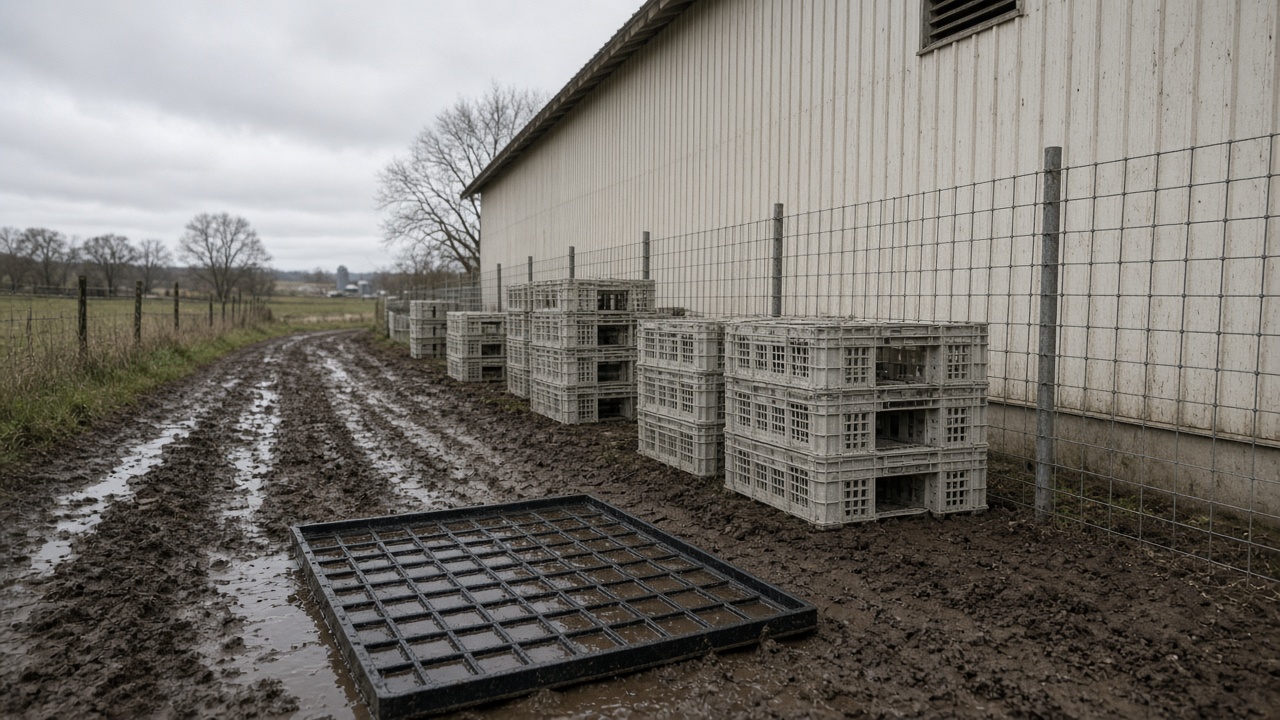
Taiwan’s Council of Agriculture ordered a seven-day nationwide ban on poultry transport starting early Oct. 29 and barred slaughter for seven days from noon except for white broilers, responding to nine confirmed H5N6 highly pathogenic avian influenza sites across Hualien, Yilan, Chiayi, Tainan and Yunlin. Authorities culled 3,747 birds after new detections in ducklings, black-bone chickens and native chickens, extending a crisis that began on eastern farms earlier in the month.
Why white broilers continue
White broilers supply most supermarket chicken meat; officials exempted them from the slaughter ban to limit retail shortages while still trying to break viral transmission chains. Experts convened Oct. 28 recommended the transport halt after genetic sequencing linked new cases to earlier eastern outbreaks. Farmers must complete disinfection and empty barns before restocking; violators face fines and destroyed flocks.
Market effects
Wet markets and processors warned that eggs and specialty poultry could tighten during the ban even if broiler cases stay stable. Consumers saw modest price bumps on native chicken breeds used in festival dishes. Exporters paused shipments pending veterinary certificates; Japan and Hong Kong routinely scrutinize Taiwan poultry health notices.
Biosecurity lapses under review
Investigators trace vehicles and feed trucks shared between farms, a common spread pathway. Smallholders in southern counties said wild bird contact remains difficult to block despite netting upgrades subsidized after prior H5N6 waves. Veterinarians urged reporting sudden mortality spikes within 24 hours; delays let viruses amplify in shared incubators.
Human health note
Taiwan has not reported human H5N6 infections in this wave; health agencies still tell poultry workers to wear masks and gloves when culling. Hospitals monitor flu-like illness clusters, separate from seasonal influenza vaccination campaigns hitting record pace elsewhere on the island.
Government compensation
Council officials said standard indemnities apply to culled birds, but paperwork delays frustrate farmers already facing feed cost inflation. Credit lines for restocking may expand if the ban extends beyond seven days; bankers watch agricultural NPLs tied to prior bird-flu seasons.
Outlook
If no new sites appear during the transport freeze, authorities may lift restrictions in stages by county. Persistent detections could push bans into Lunar New Year prep weeks, politically sensitive for the ruling party. Farmers ask travelers to avoid visiting multiple farms on joyrides—a simple request as Taiwan tries to ring-fence nine sites before they multiply again.
Regional coordination
County animal health offices set up joint command lines so Yunlin and Chiayi share truck disinfection logs, reducing duplicate paperwork for hauliers serving multiple farms. Police assist at checkpoints to prevent nighttime illegal moves that could spread virus-laden dust on rural roads.
Restaurant supply chains
Hotpot chains said they will substitute white broiler cuts for native chicken on limited menus if specialty poultry tightens, notifying customers through in-store signage rather than social media to avoid panic buying. Egg vendors reported normal wholesale prices so far because layer farms sit outside the hardest-hit counties.