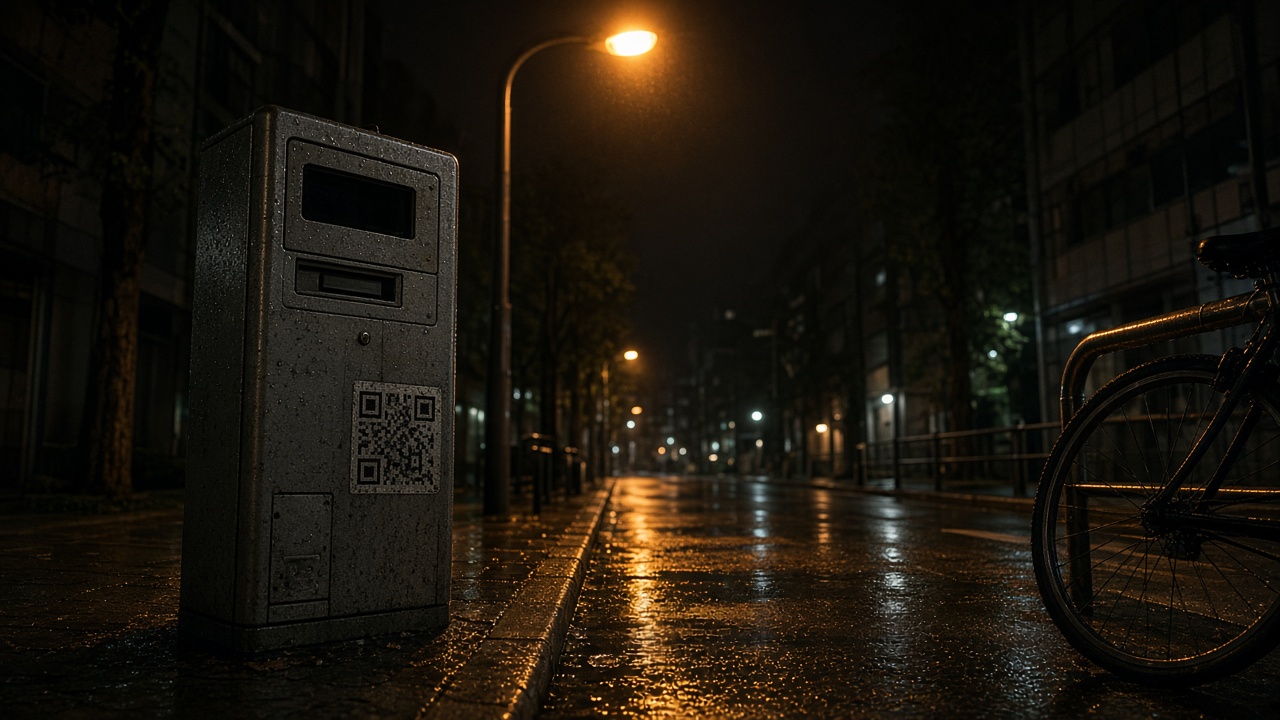
The Information-technology Promotion Agency issued a fresh alert Wednesday about counterfeit QR payment stickers affixed to coin parking meters in central Tokyo wards, telling drivers to verify official city payment URLs before scanning codes that criminals overlay on legitimate fee plates.
What investigators are seeing
Reports clustered in Shinjuku, Shibuya and Chiyoda where on-street meters accept mobile wallet extensions alongside coins. Fraudsters print glossy stickers with QR codes that open look-alike pages requesting PayPay or bank-app transfers to mule accounts, while the authentic municipal link sits underneath partially scraped labels. IPA said losses per victim remain small—often a few thousand yen per session—but volume rises during evening entertainment districts when drivers rush to avoid towing windows.
Meter maintenance crews now photograph QR areas during collection rounds; Tokyo ward offices asked IPA to coordinate a pictogram checklist staff can tape inside service vans. Police cyber units said the stickers swap out nightly, making camera patrols more useful than single-spot stings.
Victim reports filed with ward fraud hotlines include photos of mismatched QR corners; IPA aggregates those images to update training slides sent to parking contractors before the year-end holiday party season.
Why parking meters
Drivers expect quick scans and rarely read domain names when rain starts or timers flash red. Municipal meters use standardized orange bodies but wallet flows differ by ward contractor, creating confusion attackers exploit. IPA’s advisory repeats that Tokyo’s official extensions display ward seals in-app after correct scans, a detail fake pages omit or copy poorly.
Similar sticker scams hit bicycle parking racks in 2025; parking meters add motorized traffic and tourists unfamiliar with Japanese fee apps, widening the victim pool.
Ward parking bureaus said legitimate QR plates use ward-specific color bands on the sticker edge; IPA’s alert includes a side-by-side photo guide distinguishing official plates from glossy overlays.
Convenience-store payment kiosks saw unrelated QR phishing last month; IPA grouped the advisories so consumers learn one visual inspection habit across street furniture and indoor terminals.
What to do before you scan
IPA tells users to peel suspicious overlays, compare QR placement with neighboring meters on the same block, and pay with coins if the code looks fresh or misaligned. Wallet apps that show destination merchant names before confirming payment should be read carefully; cancel if the name mismatches the ward operator.
Metropolitan police posted plain-clothes patrols near Kabukicho alley meters last weekend after merchants forwarded customer complaints about duplicate charges; no arrests were announced, but sticker seizures were photographed for IPA’s weekly fraud bulletin.
Drivers who already scanned a suspicious code should save screenshots and call ward hotlines before disputing charges with issuers; IPA’s flow chart lists that order so bank fraud desks receive municipal case numbers first.
Wards are testing tamper-evident seals on QR plates for 2027 meter refreshes, but legacy hardware will stay vulnerable through next fiscal year. IPA linked the notice to ongoing consumer education on QR phishing at convenience-store bill pay kiosks, stressing one attack pattern across street furniture.
Rental-car counters near Shinjuku Station added a one-line warning to foreign drivers about meter stickers after IPA briefed tourism associations Tuesday morning.
Mobile wallet operators said they cannot block scans at the camera level but will flag newly reported mule merchant IDs faster when wards forward sticker photos through the police liaison channel.
IPA plans a short video for ward websites showing how official meter QR plates sit flush with metal housings while overlays bubble at the edges when humidity rises.
For Tokyo drivers, the November timing is a reminder: a sticker on a meter is not official just because it looks laminated—check the ward name in your app, or feed coins until the city replaces the label.
IPA will republish the advisory in English and Chinese on its multilingual fraud page before the year-end travel rush.
Ward officials asked convenience stores near meter clusters to display IPA’s peel-and-check poster at checkout counters where drivers buy drinks before returning to curbside spots.