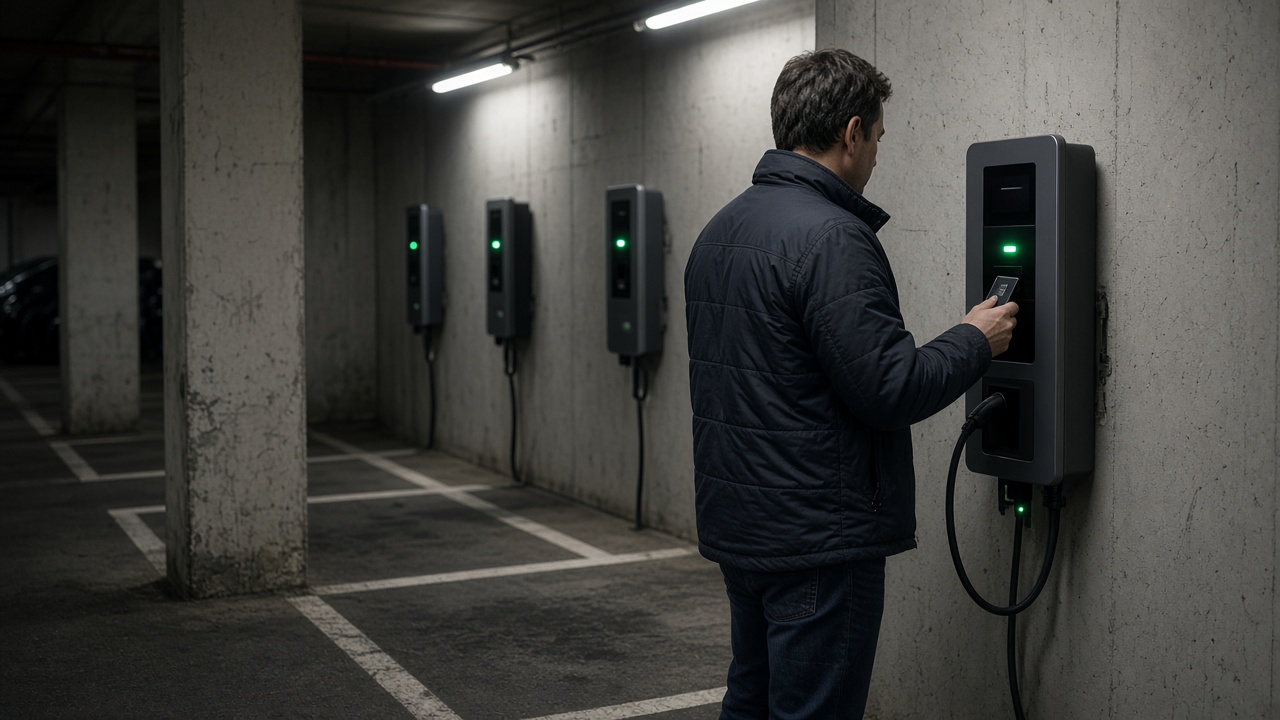
KB Kookmin Card Co. launched a year-end promotion Wednesday that pays up to 5 percent won cashback on domestic electric-vehicle charging billed through its app-linked cards, a push to capture spend at highway rest stops and apartment complexes as EV ownership crosses two million registered units nationwide.
How the rebate works
Eligible charges must post with merchant category codes for public EV service providers between Nov. 1 and Dec. 31. Cashback caps at 30,000 won per month per card, with a 3 percent base rate and an extra 2 percent for members who also hold KB’s EV installment loan. Refunds credit statement cycles in January; cancelled sessions do not count. Corporate fleet cards are excluded.
Why charging spend matters
Issuers treat EV charging like fuel spend once was: recurring, sticky, and tied to mobility apps. KB’s rival Shinhan and Hyundai Card already run seasonal charging credits; KB’s move resets competitive positioning before holiday travel. Charging operators GS ChargEV and SK Signet benefit from higher throughput without funding the rebate themselves.
Household math
A driver spending 200,000 won monthly on charging earns 10,000 won at the 5 percent tier before hitting the cap—a modest sum that still beats generic point accrual on KB’s lower-tier cards. Apartment residents using slow overnight chargers must ensure transactions route through participating networks; ad-hoc cash payments at legacy posts do not qualify.
Regulatory lens
The Financial Services Commission has urged transparent promotion terms after complaints about hidden caps on green promotions. KB published examples in Korean and English, noting the offer stacks only with selected KB Pay coupons, not with every marketplace discount. Consumer groups asked issuers to extend caps for rural drivers with fewer charging choices.
Portfolio context
KB Financial Group reports card interchange and interest together; EV promotions aim to lift revolver balances when members carry installment loans. Investors will watch fourth-quarter card profit margins for promotion costs, though management called the program “within seasonal marketing envelopes.”
What to do before Nov. 1
Register the card in KB Pay, verify merchant names on a test charge, and link loan accounts if pursuing the 5 percent tier. Highway travelers should favor rest-stop operators displaying KB partnership stickers; apartment managers must confirm their operator enrolled in the cashback network.
Comparison shopping
Hyundai Card’s October charging rebate used point multipliers instead of won cashback; Shinhan’s program favors its own charging map. KB’s won rebate is simpler for members who do not want to manage point expiry. None of the programs cover home wall-box billing unless the installer routes payments through a participating acquirer—check wiring before assuming eligibility.
Longer-term outlook
Issuers expect charging spend to grow with fleet electrification mandates in metropolitan areas. KB may extend the promotion into 2027 if uptake beats internal targets without blowing marketing budgets. For now, the year-end window is a straightforward way for EV households to trim fuel-like costs before winter electricity rates adjust.