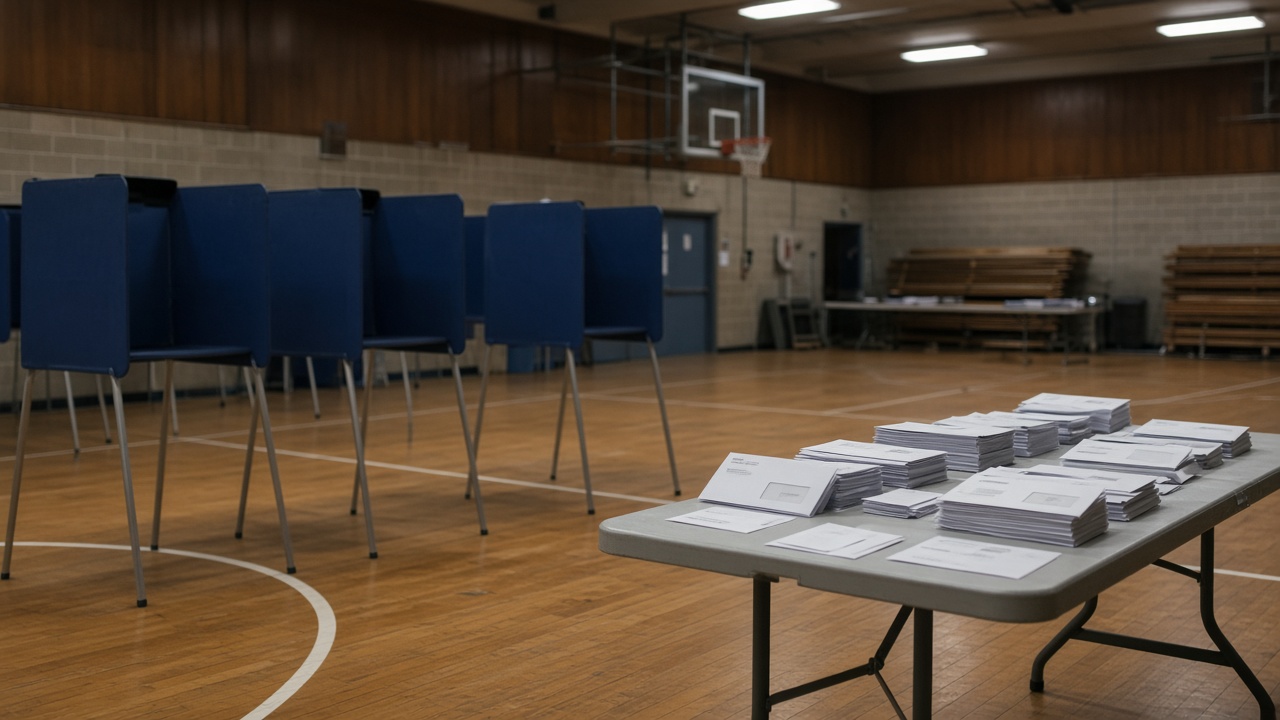
State election officials are pushing provisional-ballot instructions to voters this week as the Nov. 3 midterm approaches, spelling out who may cast a backup ballot and how those votes are counted after polls close.
Provisional ballots exist for people whose eligibility cannot be confirmed on the spot—because a name is missing from the poll book, an ID does not match, or a mail ballot was issued but not canceled. Federal law requires the option in those situations, but counting rules vary by state. Understanding the local process prevents a voter from leaving thinking a ballot counted when it still faces review.
Texas backlog context
Texas entered early voting with local officials still processing registration records after state data errors left some applicants off the rolls. The Texas Tribune reported that voters who believe they are registered but do not appear on the list may cast a provisional ballot during early voting or on Election Day. Election administrators later determine whether the registration was valid; if not, the ballot is rejected and the voter receives written notice.
Texas law lists more than a dozen scenarios that trigger a provisional offer, including address mismatches and voters who applied for mail ballots but show up in person without surrendering the mail packet.
California and mail-ballot overlap
California allows provisional voting at any polling place in the county when a voter’s registration cannot be verified or when a vote-by-mail ballot was sent but the voter chooses to vote in person without bringing the mail ballot. Officials compare records after Election Day to ensure the person did not vote twice. If the voter already returned a mail ballot, the provisional vote is discarded.
That matters in districts where control of the House could hinge on turnout: a provisional ballot cast incorrectly may not be cured.
Virginia ID rules
Virginia’s voter pocket guide for the Nov. 3 general election reminds residents that polls open 6 a.m. to 7 p.m. and that acceptable ID is required. Voters without ID may sign an ID confirmation statement and cast a regular ballot, or refuse the statement and vote provisionally. Provisional voters must email or fax a copy of ID to the local registrar by noon on the Friday after the election for the ballot to count.
Same-day registration ended Oct. 23 for regular ballots, but Virginians who register after that deadline may still vote provisionally through Election Day.
What to do before Tuesday
Check registration status on your state portal—not a social media post about deadlines. Bring the ID your state accepts; mobile driver’s licenses are valid only where state law and TSA participation align. If you received a mail ballot you will not use, follow local instructions to surrender or destroy it before voting in person.
Save any provisional receipt or envelope number. Tracking tools in Pennsylvania and other states go live after Election Day; patience is normal while canvass boards reconcile lists.
Why this year’s rules matter nationally
Control of the House and several governorships could come down to narrow margins where provisional counts extend into November. Media outlets may call races before provisional piles are cleared. Voters who cast provisionals should monitor county websites rather than assuming same-night totals are final.