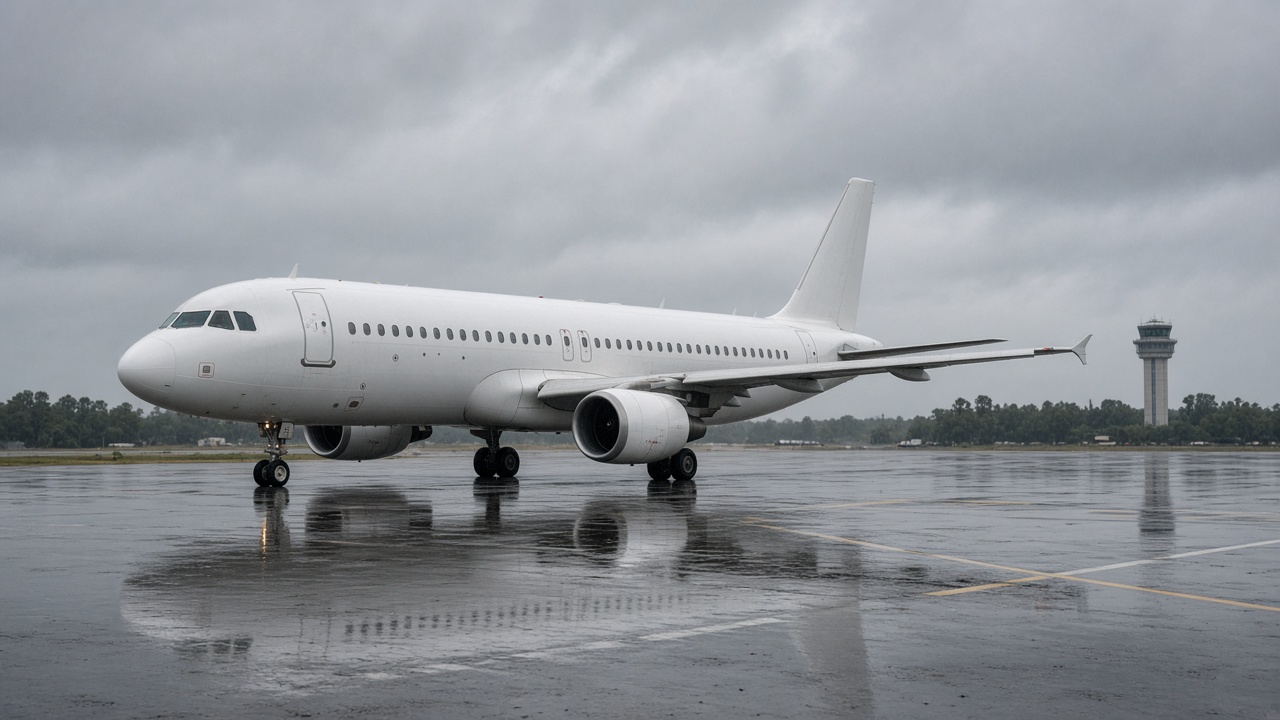
Pakistan allowed Taiwanese commercial aircraft to fly through its airspace again on Wednesday morning, ending a four-day closure that had forced carriers to reroute north over Russia and adding hours to flights between Taiwan and Europe and the Middle East.
How the ban unfolded
Pakistan blocked Taiwanese airlines on October 25, citing support for Beijing’s one-China policy, Taiwan’s foreign ministry said. Executive Yuan spokesperson Michelle Lee said Thursday that the cabinet deeply regretted the move, which she described as Islamabad “parroting China’s distorted narrative” and weaponising access to airspace.
Deputy Foreign Minister Chen Ming-chi told Bloomberg TV from Taipei on Wednesday that Taiwan suspects China was behind the brief ban, though he did not provide evidence. The episode “sends a very dangerous message around the world,” Chen said, arguing that countries indebted to or reliant on Beijing could be pressed to deny Taiwan routine aviation rights.
Chinese Foreign Ministry spokesman Guo Jiakun responded that the one-China principle is international consensus and that “residents of the Taiwan region enjoy unimpeded international travel.” Reuters reported that the first Taiwanese commercial flight crossed Pakistan on Wednesday after authorities approved permits in an abrupt reversal.
Cost to airlines and passengers
Carriers including China Airlines and EVA Air had to adjust flight plans while the ban stood, burning extra fuel on longer tracks and compressing crew duty limits. Industry officials in Taipei said the detours raised ticket costs on some European routes and complicated connections for cargo moving through the Gulf.
Taiwan has no seat at the International Civil Aviation Organization and relies on bilateral arrangements for overflight. Officials said no country had previously announced a blanket denial of all Taiwanese carriers, making Pakistan’s order a precedent they intend to raise with partners.
Taipei’s diplomatic response
Chen indicated Taiwan would work closely with the United States and other “freedom-loving” countries on the airspace issue. Washington is Taipei’s primary security backer; U.S. officials have not publicly detailed any demarche to Islamabad since the reversal.
Pakistan owes more than $25 billion to China, according to financial data cited in regional reporting, a debt link Taipei frequently cites when Beijing presses third countries on Taiwan recognition. Islamabad maintains formal ties with Beijing and does not recognise Taiwan’s government.
What observers watch
Beijing has long sought to shrink Taiwan’s international space, from diplomatic recognition to participation in UN agencies. Aviation had largely remained a practical exception until this week.
With permits restored, schedules are normalising, but Taiwan’s transport ministry said it would monitor whether Pakistan reimposes restrictions without notice. Legislators on Taipei's foreign affairs committee scheduled a briefing for Friday to review contingency routing with carriers. For airlines, the lesson is that political shocks can appear with little lead time on maps that had been stable for years.