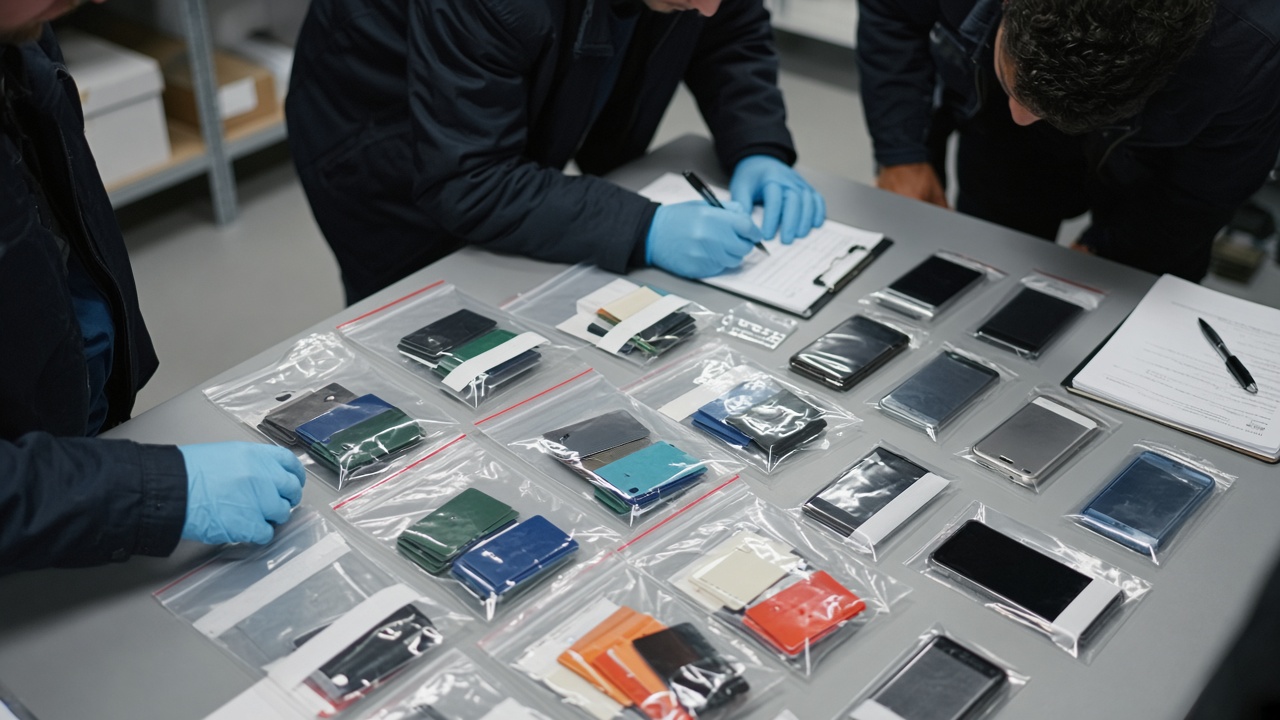
The National Police Agency said its cyber investigation bureau dismantled a voice-phishing ring that laundered about 4.2 billion won through retail gift-card purchases after callers impersonated prosecutors and told retirees their accounts were compromised.
How the ring operated
According to the agency’s Wednesday briefing, suspects routed victims to buy stored-value cards at convenience stores, then scraped serial numbers over chat apps before reselling balances overseas. The unit seized 22 phones, multiple laptops, and ledgers showing daily cash-out targets. Police attributed the scheme to a gang based in Incheon and Gyeonggi, with five people detained pending prosecution review.
Why gift cards
Fraud teams say card serials move faster than bank wires once anti-fraud rules tighten. Convenience-store gift racks offer high denominations with weaker buyer verification than wire transfers. The Financial Supervisory Service warned banks in September about spikes in elderly customers buying consecutive card loads; this case cites that alert as an early signal.
Enforcement steps
Police coordinated with card issuers to freeze unredeemed balances where serials were flagged. Stores received refreshed staff scripts to delay large sequential purchases and print scam advisories at registers. Telecom carriers were asked to block spoofed caller IDs linked to numbers in the seized phones, though full STIR/SHAKEN-style adoption remains incomplete in Korea.
Victim profile
Agency data in the briefing said more than 60 percent of confirmed losses in this ring involved households over 65. Counselors noted shame delays reporting; average loss per victim approached 12 million won among those who filed within a week. Banks are not obligated to refund voluntary card purchases, pushing police to emphasize prevention.
What residents should do
Prosecutors do not demand immediate transfers or gift-card payments by phone. Hang up, call the official switchboard, and report to 112 or the FSS fraud hotline. Enable bank app alerts for large withdrawals and teach family members to verify in person before buying stored-value products under pressure.
Policy follow-through
Lawmakers proposed higher penalties for organized voice phishing and mandatory cooling-off periods on high-denomination gift-card sales; bills remain in committee. For now, police said they will publish anonymized call scripts weekly so banks and stores can train staff on the latest impersonation lines.
Bank coordination
Major lenders refreshed in-app banners warning that no legitimate agency requests gift-card payment. Some banks now delay large consecutive card purchases at convenience merchants when customer age profiles match recent scam reports, a friction police support despite retailer complaints about checkout slowdowns.