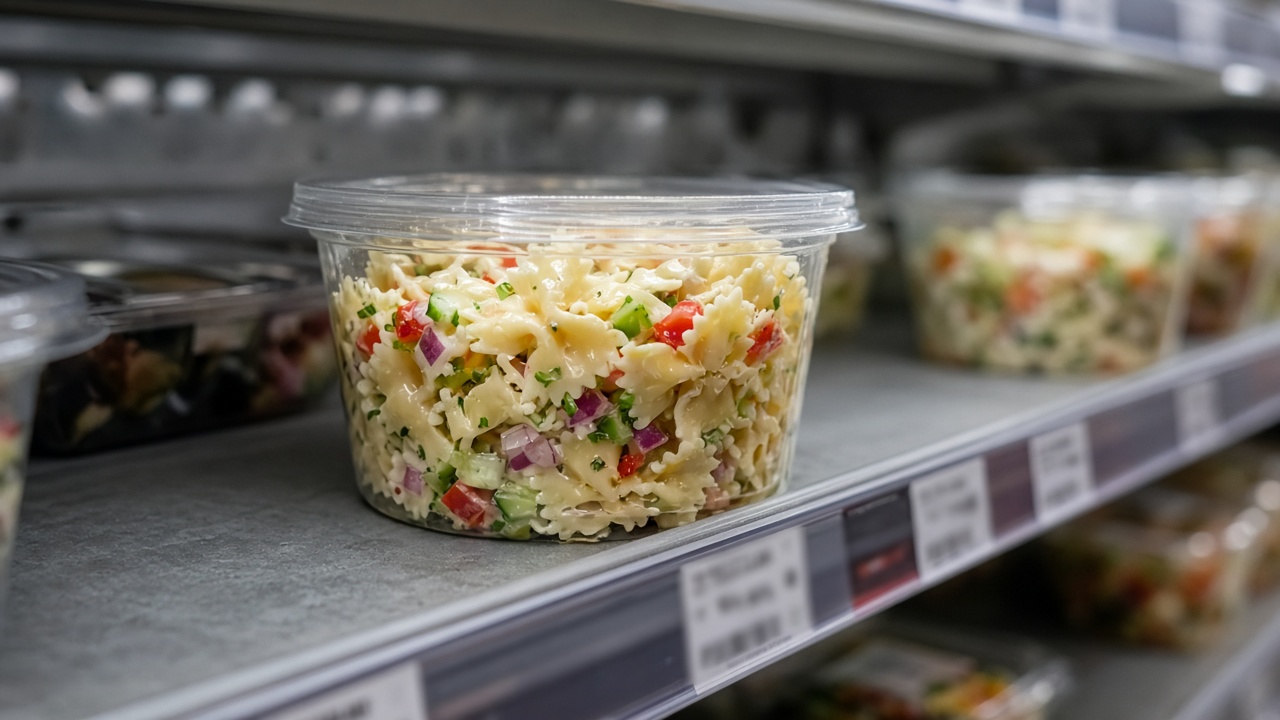
Reser's Fine Foods escalated a supplier-linked recall of basil pesto pasta kits to the Food and Drug Administration's highest risk rating, prompting grocery chains to pull store-made deli salads that used the affected bowtie pasta.
The FDA assigned Class I status to several Fresh Creative Foods kits, meaning regulators believe eating the product could cause serious health consequences or death. The kits are not sold directly to shoppers; they are industrial packs that delis turn into ready-to-eat salads labeled under store brands.
Where the salads sold
Albertsons Companies recalled multiple basil pesto bowtie and ready-meals salads across banners including Safeway, Vons, Randalls, and Tom Thumb in more than a dozen states. Kroger and its regional chains pulled basil pesto bowtie and smoked mozzarella penne salads after Fresh Creative Foods notified them that Nate's Fine Foods-supplied pasta tested positive for Listeria monocytogenes in upstream sampling.
Because delis sell by weight, UPCs on the scale label matter. Albertsons published specific product names and sell-through date ranges; shoppers should match those strings rather than guessing from appearance.
Who faces the most risk
Listeria can cause severe illness in pregnant people, older adults, and anyone with weakened immune systems. Healthy adults may experience fever, muscle aches, or gastrointestinal symptoms. The organism can survive refrigeration, so moving a container to a home fridge does not make it safe.
Consumers should discard recalled salads or return them to the store for a refund. Clean any surface that touched the container with hot soapy water; Listeria spreads easily on counters and utensils.
How the supply chain broke
The FDA's major-recalls page traces the problem to pre-cooked pasta from Nate's Fine Foods after a linguine sample tested positive during FreshRealm testing. Reser's kits combine that pasta with pesto components for food-service customers. Downstream recalls expanded through October as each retailer identified deli recipes containing the ingredient.
No injuries were reported in Albertsons' initial notice, but Class I classification signals regulators treat the hazard as acute rather than cosmetic.
What to do if you already ate some
Monitor for symptoms for up to 70 days—the incubation period can be long. Seek medical care if fever or stiff neck develops, especially during pregnancy. Keep the receipt and product photos if you file a health complaint with your local health department.
Other pasta recalls from the same supplier chain hit Sprouts, Giant Eagle, and frozen meal makers this fall. Check FDA.gov/recalls if you bought any prepared pasta salad in October, even outside the banners named above.
Store credit and replacements
Retailers listed customer service numbers for refunds. Do not taste-test suspicious product to "see if it is okay." Listeria does not change flavor reliably. When in doubt, throw it out and sanitize the shelf where it sat.