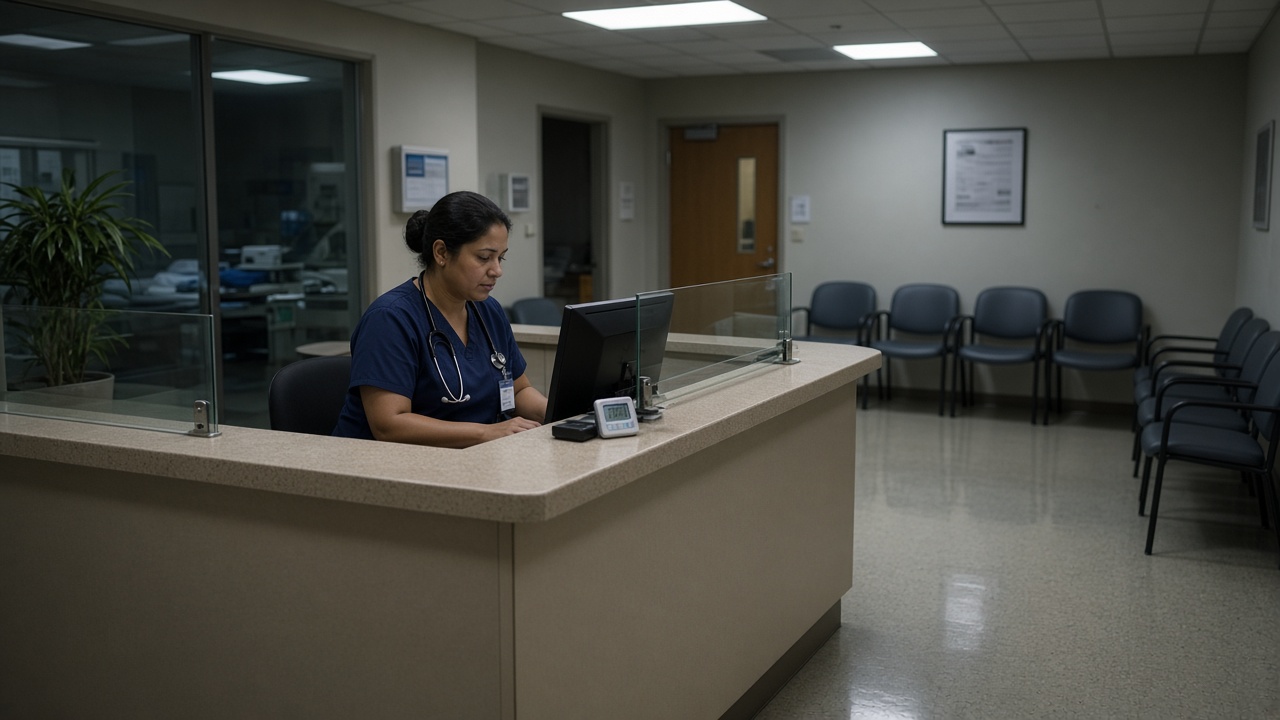
Seoul opened night-time fever clinics at 12 public health centers this week after metropolitan hospitals reported general respiratory ward occupancy above 80 percent for three consecutive weeks, straining pediatric and geriatric beds.
Hours and locations
Clinics operate 7 p.m. to midnight on weekdays, staffed by rotating nurses and on-call physicians via telemedicine backup. Sites span Mapo, Gangdong, and Dobong districts near subway lines so parents can access care after work without defaulting to emergency rooms. Walk-ins accepted; appointments encouraged through the city health app.
Who should come
Officials target mild-to-moderate fever, cough, and dehydration not requiring intensive care. Severe shortness of breath still routes to ERs. Clinics stock rapid flu and COVID tests, oral rehydration, and starter antivirals for high-risk patients under KDCA guidelines. They do not handle trauma or obstetrics.
Hospital relief
Seoul National University Hospital and Asan Medical Center requested surge plans as occupancy tripped internal yellow alerts. Night clinics aim to absorb triage overflow that previously sat in hallways until morning rounds. Early data from pilot districts showed ER visits down 6 percent on clinic opening nights.
Cost and insurance
Visits bill at community-clinic rates under National Health Insurance; copays match daytime primary care. Uninsured residents receive the same fee schedule with city subsidy vouchers. Employers asked whether night visits count toward occupational health reporting—they do not unless linked to workplace exposure filings.
Seasonal outlook
KDCA models show respiratory syncytial virus and influenza overlapping in November. Vaccination campaigns continue for seniors; night clinics stock pamphlets on shot sites. Weather swings toward cold dry air that worsens pediatric wheeze; city officials may extend hours if occupancy stays above thresholds.
Practical advice
Bring medication lists, use masks in waiting areas, and prefer clinics over ERs for stable fevers. If symptoms worsen after midnight, call 119. Seoul will publish daily occupancy dashboards so residents can choose less crowded centers.
Volunteer staffing
Medical students on rotating community service shifts will supplement nurses on peak nights. The city pays overtime from a winter surge fund approved in September budget amendments.
Pharmacy links
Clinics display QR codes for nearby 24-hour pharmacies stocking pediatric antipyretics after parents reported shortages when ERs redirected mild cases. Seoul’s health department monitors inventory twice daily during the first two weeks of operation.
Language access
Centers in districts with large migrant populations added English and Chinese triage handouts so foreign residents know when to escalate to emergency care quickly.