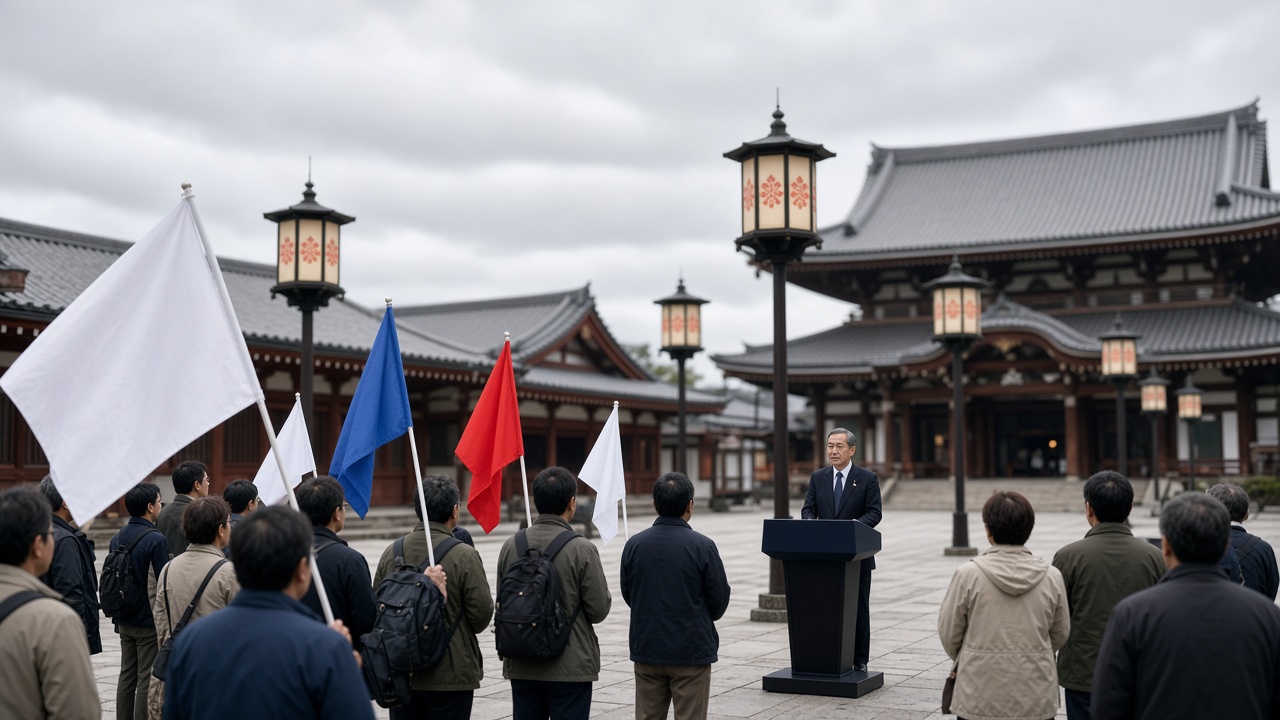
Democratic Progressive Party legislator Puma Shen, running for Taipei mayor, told supporters on Oct. 28 that only November ballot boxes matter after a United Daily News poll showed him leading incumbent Chiang Wan-an 45 percent to 41 percent among likely voters. Shen spoke during a temple visit packed with volunteers registering transfer voters, framing the survey as motivation rather than a victory lap because the same poll showed 48 percent of respondents still expect Chiang to win.
What the poll contained
The UDN survey interviewed 1,115 Taipei adults Oct. 20–22 and Oct. 25 with a 3-point margin of error; 264 refused interviews. Shen led among women and voters under 40 by wide margins, while Chiang remained ahead among middle-aged and older cohorts. Independents favored Shen 40 percent to 33 percent, leaving roughly one in eight voters undecided—a bloc both camps call decisive with four weeks until the Nov. 28 nine-in-one elections.
Shen’s response
Shen said poll fatigue makes participation rates volatile and that his campaign prioritizes door-to-door listening over daily tracking numbers. He argued policies must serve all Taipei demographics, not only core DPP voters, and declined to adjust platform planks based on a single poll. Photographs showed him posing with temple volunteers, a traditional mobilization channel in urban Taiwan races.
Party reactions
DPP caucus executive Chuang Jui-hsiung told reporters the numbers prove voters reassessed Shen but warned the “expect to win” gap favoring Chiang means turnout work remains urgent. Chinese Nationalist Party deputy secretary-general Hsu Yu-chen countered that Chiang supporters may understate preferences to pollsters, citing the incumbent’s higher “win expectancy” score as evidence of a silent majority. Both narratives prime ground-game spending on youth registration drives and early absentee planning.
Cross-poll context
An ETtoday online panel released earlier in the week showed Chiang ahead 48.6 percent to 41.1 percent, illustrating methodology swings. Shen’s camp cited the UDN phone sample; Chiang’s allies highlight web panels with different weighting. Voters encountered competing headlines within 48 hours, reinforcing Shen’s message to ignore daily whiplash.
Policy stakes
Transit funding, housing affordability and China-policy framing still anchor debates, but October’s storyline is momentum. Shen needs to convert poll leads into turnout among young renters; Chiang must energize suburban homeowners who sat out prior midterms. Business groups watch whether either candidate commits to easing restaurant and retail regulations post-pandemic.
What to watch
Upcoming televised policy presentations and candidate forums may move “expect to win” metrics more than raw support if voters decide Shen is viable. Registration deadlines and transfer-voter verification will signal ground-game strength. For now, Shen’s quote—“only votes in ballot boxes count”—sets expectations that another poll swing will not change his schedule of neighborhood walks.
Ground game metrics
Both campaigns track line-contact counts and volunteer shift hours internally, metrics they trust more than public polls. Shen’s team reported higher temple-event attendance week over week; Chiang’s office highlighted suburban market walk-throughs with district councilors. Neither side released raw numbers, but staffers said October rain slowed outdoor events until midweek dry spells.
International press
Foreign correspondents based in Taipei filed briefs on the poll because the mayoral race signals broader DPP performance in November; Shen’s security detail remained visible after prior protests, a backdrop international outlets mention even in straight news pieces.
Candidate schedules
Chiang’s office announced additional night market visits in Shilin and Nangang while Shen booked campus forums at Taipei universities, targeting the under-40 cohort where polls show his strongest lead. Security details for both candidates remained visible after prior campaign incidents, a cost Taipei city government shares under election law.
Coalition arithmetic
Third-party candidates remain statistical blips in polls, yet their supporters could sway runoff narratives if no candidate clears 50 percent in some downstream races. Taipei’s winner-take-all mayoral rule keeps focus on the Shen-Chiang dyad, but legislative candidates on the same ballot hope coattails from whichever camp energizes youth turnout. Party treasurers already air television ads timed for Nov. 10 onward when poll blackout customs begin influencing media strategy even if surveys continue internally.