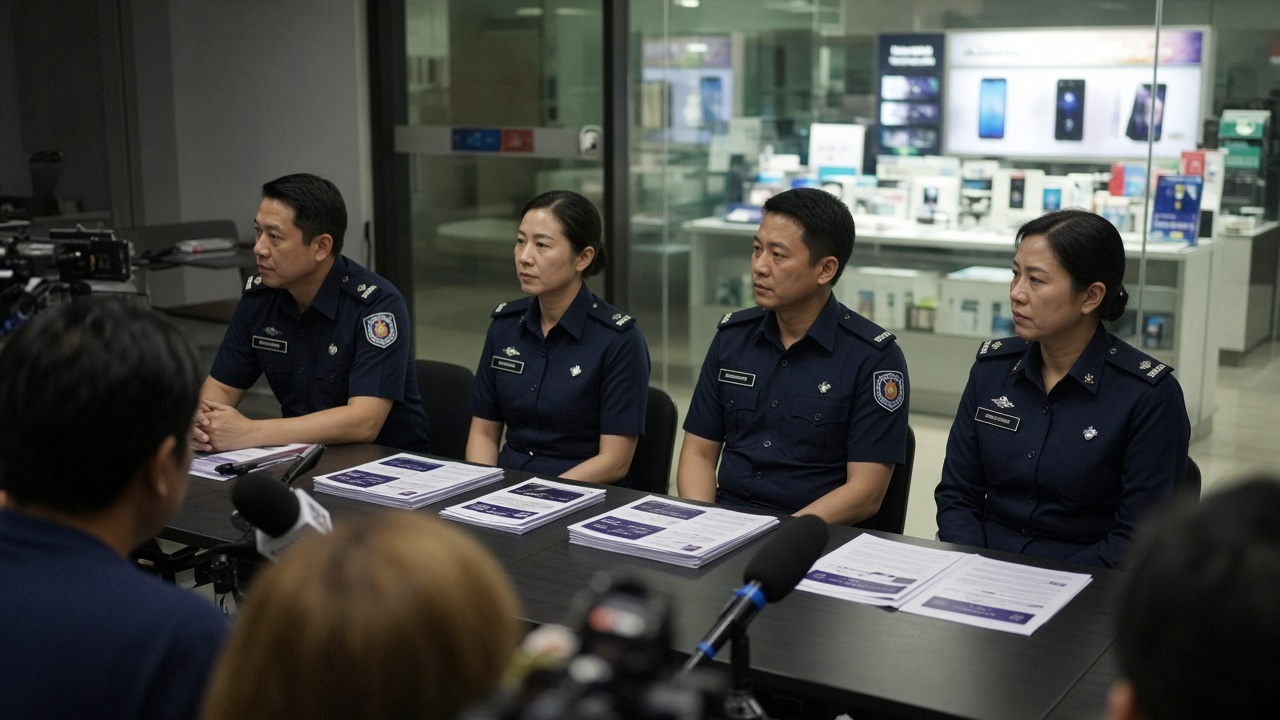
Singapore police warned Thursday that scammers impersonating Simba telecommunications staff have stolen at least S$1.3 million in October alone, routing victims to fake government officials who pressure them into bank transfers. The force said it logged 59 cases in the month, a sharp reminder that telco-themed impersonation remains one of the city-state’s costliest fraud patterns even as overall scam numbers fluctuate.
How the scheme works
According to the police news release, victims typically receive unsolicited calls from someone claiming to represent Simba. The caller alleges that the victim’s identity was used to buy iPhones or mobile plans, then offers to “help” by transferring the line to a supposed officer from a government agency. That second voice accuses the target of money laundering or other crimes and instructs them to move cash, valuables, or cryptocurrency to “safe” accounts controlled by the scammers.
Investigators said the scripts mirror earlier government-impersonation scams but exploit Simba’s brand because the mobile virtual network operator has a high-profile consumer base. One victim lost S$285,000 in a single case this month, police said, illustrating how quickly a convincing phone chain can drain retirement savings before banks or family members intervene.
What authorities want the public to do
Police reiterated that no legitimate government agency will ask for money transfers, loan applications, remote access to devices, or downloads from unofficial app stores. They urged anyone receiving a Simba-related cold call to hang up and verify through official channels rather than returning a number the caller provides.
The advisory lands as the Infocomm Media Development Authority continues scrutiny of telecom operators’ consumer-protection measures; Simba itself has faced regulatory attention over spectrum compliance in separate proceedings. Thursday’s warning focuses on criminal impersonation rather than network performance, but it adds pressure on the brand to cooperate with trace-and-freeze requests when victims report quickly.
Broader scam trend
Authorities have logged large impersonation sweeps in recent months, including government-officer variants and WhatsApp friend scams, yet the Simba-specific cluster shows how quickly fraudsters pivot to whichever company name generates trust on a given week. Banks have tightened hold periods on unusual transfers, but police said many losses still occur because victims authorize payments while still on the phone with scammers.
Consumer groups advise documenting caller IDs, refusing to install screen-sharing apps, and visiting a neighborhood police center in person if someone claims an arrest warrant requires immediate payment. Those steps cannot guarantee recovery once money leaves Singapore accounts, but they reduce the odds of joining October’s S$1.3 million tally.
What comes next
Police said investigations into the 59 October cases continue and asked anyone with information to submit tips online. They did not disclose arrest numbers tied specifically to the Simba impersonation wave, leaving open whether the same syndicate is responsible for multiple reports or several copycat groups are running parallel scripts.