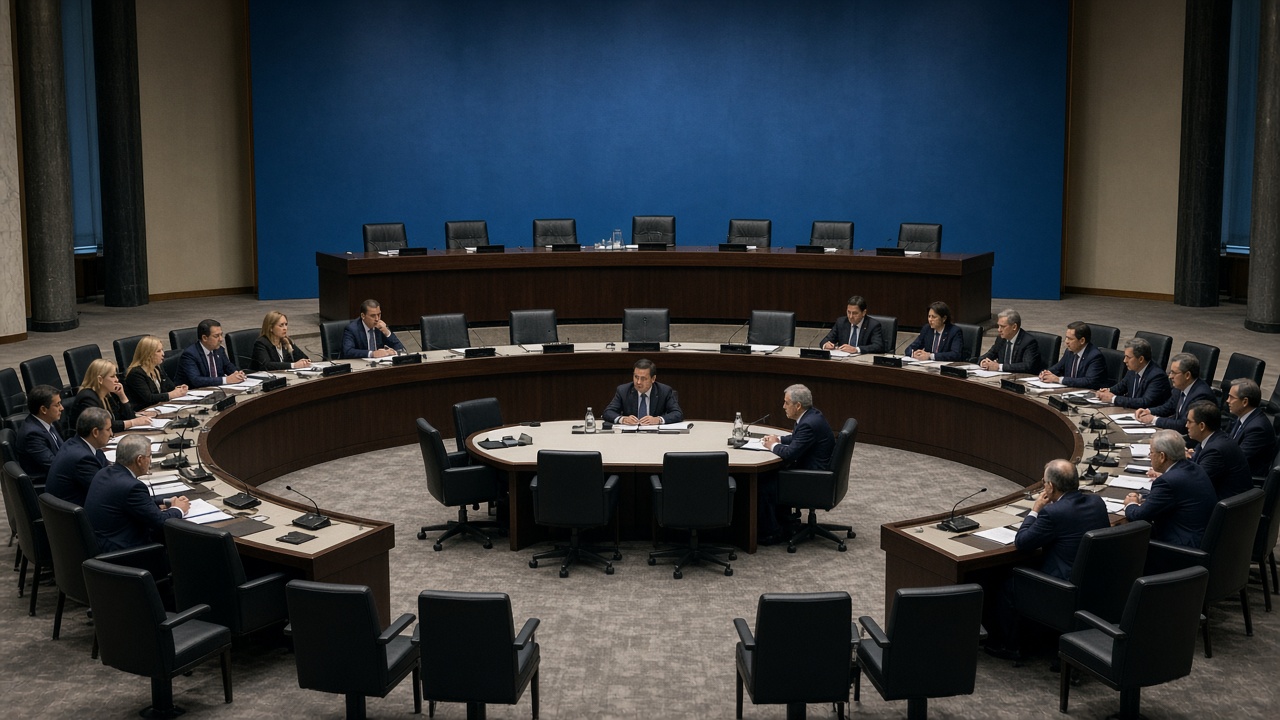
International Atomic Energy Agency inspectors have not seen any attempt to repair or rebuild Iranian nuclear facilities damaged in the 2025 and 2026 military campaign, Director General Rafael Grossi told the United Nations Security Council on October 27. The finding is the agency’s clearest public assessment since fighting forced all IAEA staff to leave Iran in June 2025, yet Grossi stressed that the absence of reconstruction activity does not mean Tehran’s nuclear material is accounted for.
What the monitors can and cannot see
Speaking at a session focused on Iran’s safeguards obligations, Grossi said that “since June 2025, we have not identified any activity to repair or reconstruct any of the facilities damaged in the military attacks of 2025 and 2026.” Satellite and other remote tools have continued where possible, but Grossi repeated that inspectors cannot verify the status of declared stockpiles while they remain barred from the country.
Among the unresolved material is about 440 kilograms of uranium enriched to 60 percent purity that the agency still cannot confirm remains under safeguards, according to Grossi’s briefing and reporting from the session. Without on-site access to sites such as Fordow, Natanz and parts of the Esfahan complex, the IAEA cannot rule out diversion or undisclosed processing, he said.
Why access stopped
The IAEA withdrew its inspectors at the end of June 2025 for safety reasons as strikes intensified. Grossi told the council that personnel have been ready to return for months and that preparatory technical work tied to various mediation efforts is advanced, but Tehran has not restored the access required under its Comprehensive Safeguards Agreement.
He pointed to the September 2025 “Cairo Agreement” signed with Iranian Foreign Minister Abbas Araghchi under Egyptian auspices as a possible framework for staged verification at damaged plants, including associated nuclear material. Grossi said legal obligations under the Nuclear Non-Proliferation Treaty cannot be suspended unilaterally and that any durable diplomatic outcome must embed IAEA verification.
How diplomats are using the report
Member states including Oman, Qatar, Pakistan and Egypt have pressed Iran to re-engage, Grossi said, while the agency’s board referred outstanding safeguards issues to the Security Council under resolutions adopted in 2025 and 2026. U.S. and Israeli officials have argued that damaged infrastructure could be rebuilt covertly; Grossi’s statement offers a partial check on that claim while underscoring the larger gap in material accounting.
Reporting from the council chamber also noted renewed debate over sanctions and the expiry of earlier restrictions, with Western powers insisting Iran must comply with IAEA requests before relief is considered. Tehran maintains its programme is peaceful and has blamed military strikes for disrupting lawful safeguards work.
What happens next
Grossi urged Iran to provide the information and physical access needed to reconcile the 440-kilogram figure and other outstanding questions that have lingered for more than five years. Until inspectors return, he said, the agency can report on the visible condition of bombed sites but not deliver the safeguards conclusions that markets, insurers and neighbouring governments rely on when assessing proliferation risk.
Mediation tracks involving the United States and regional capitals continue in parallel with the council’s work, according to diplomats cited in coverage of the briefing. The next visible test will be whether Iran allows a limited visit to one damaged facility as a confidence-building step, or whether the standoff over access extends into another quarter without verified numbers.