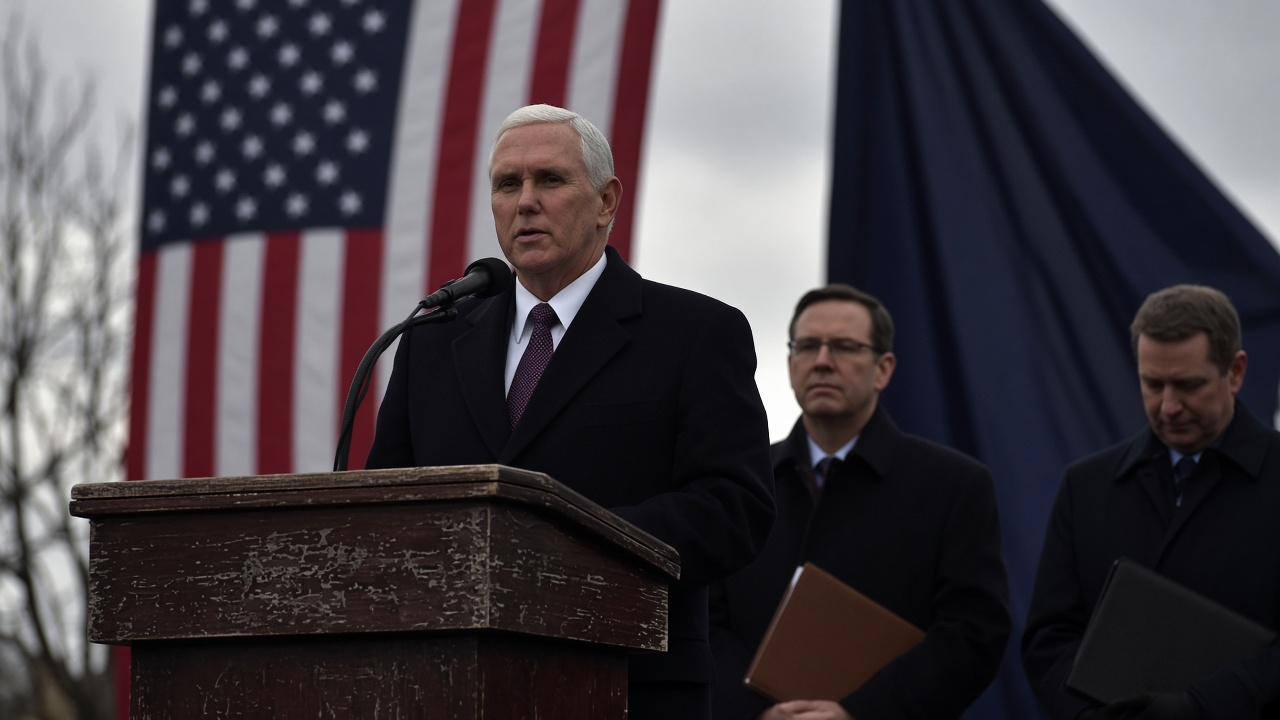
U.S. Vice President JD Vance has sent a letter to Mohsen Rezaei, the secretary of Iran’s Supreme National Security Council and a former Islamic Revolutionary Guard Corps commander, in a bid to reopen a diplomatic channel days before congressional midterm elections and amid renewed warnings of American military action, according to U.S. officials and media reports published Wednesday.
What the outreach seeks
The Wall Street Journal, citing people familiar with the matter, reported that the letter did not lay out specific peace terms. Instead it explored whether Washington and Tehran could agree on a framework for negotiations that might persuade President Donald Trump to hold off on ordering what officials have described as a short, high-intensity campaign against Iran in the weeks after the vote.
Axios quoted a U.S. official saying Vance stressed that any talks aimed at avoiding further strikes would have to include Iran’s nuclear program from the outset. That condition collides with Tehran’s public stance: Rezaei said last week that Iran would not negotiate until the United States lifted its naval blockade, released frozen assets, and ended military action against the country.
The New York Times reported that Qatari mediators delivered the letter to Rezaei on Sunday and that Vance proposed a meeting he could lead, similar to his role in June talks. If Iran accepts, officials told the Times, discussions could occur as soon as next week, with Qatar or Türkiye as possible venues. Rezaei was expected to deliver a formal response on Thursday, the paper added.
Trump’s mixed public signals
Trump told reporters Wednesday evening that he approved Vance’s contact and cast it as assistance for medical supplies. “They need help with medical supplies and various things,” he said. “He asked me what I thought. I said, ‘If you want to do that, that’s ok.’”
That framing sits awkwardly beside other administration messaging. Trump said last week that the United States was not negotiating with Iran and hinted that action could follow the elections. Gulf allies have been told to prepare for possible strikes and retaliation, reporting from multiple outlets has said, while the Pentagon told Congress the Iran war price tag has climbed to at least $47.1 billion.
Al Jazeera noted that Foreign Minister Abbas Araghchi wrote on social media Wednesday that Iran “continues to give diplomacy a chance,” without confirming the letter. A foreign ministry spokesman said he had no information on Vance’s outreach; Rezaei’s council did not comment.
Why Rezaei matters
Hard-liners have gained ground in Tehran since the U.S.-Israeli war that began in February. Some U.S. officials argue that engaging figures such as Rezaei, who retains influence with Supreme Leader Mojtaba Khamenei, may be more productive than channels that collapsed when a June memorandum of understanding unraveled over how to reopen shipping through the Strait of Hormuz.
Vance has publicly backed the war but privately pushed for stronger diplomacy before Operation Epic Fury, people close to the process have said. A spokesman for the vice president declined to discuss the letter; the White House referred questions to his office.
What comes next
Negotiators on both sides remain far apart on sequencing: Iran wants sanctions relief and an end to the blockade before nuclear talks, while Washington wants Tehran to return to the table first. With Hormuz still largely closed and oil markets volatile, even a framework agreement would leave operational details—missile ranges, inspector access, and Gulf shipping rules—unsettled.
Congress returns to a war-cost debate regardless of whether Rezaei answers yes. For now, the letter is the most senior U.S. outreach in months, sent at a moment when Trump’s next order could either extend the pause or restart combat.