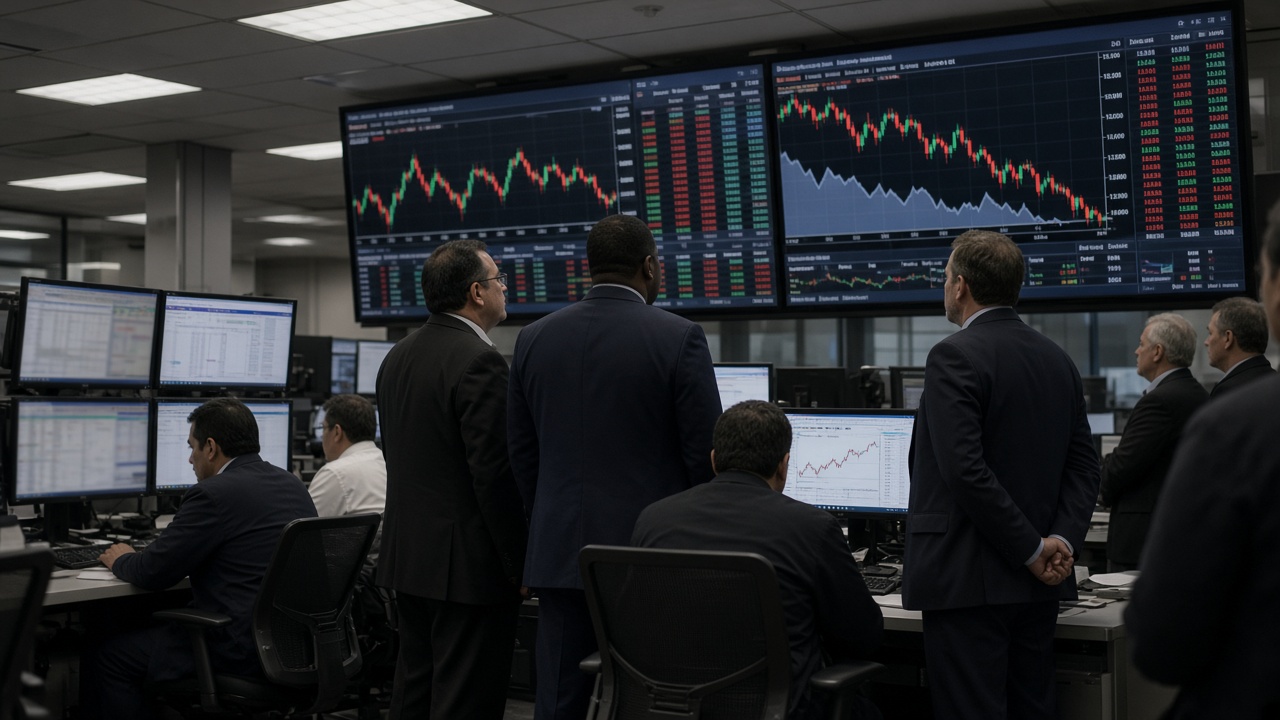
Binance, the world’s largest cryptocurrency exchange, said Friday that a breach of its transaction-signing infrastructure drained wallets holding about $6.3 billion in digital assets, in what analysts described as the biggest crypto theft on record. The company halted withdrawals, pledged to cover customer losses from its secure asset fund and company reserves, and said deposits were not affected.
Co-chief executive Richard Teng told users on X that the exchange was beginning to recover assets and expected withdrawal services to restart within a day or two. Bitcoin fell to a six-week low near $76,470 on the news, while ether slipped more than 3 percent, reflecting how heavily global trading still routes through Binance’s liquidity.
Twenty minutes on the ledger
TRM Labs, a U.S. blockchain intelligence firm, said attackers compromised Binance’s signing systems—the software and hardware that authorize outbound transfers—and emptied operational wallets across roughly ten blockchains in about twenty minutes starting shortly after 8 p.m. Eastern time on Thursday. Chainalysis, which is working with Binance, said it had confirmed at least $5.9 billion moved through Bitcoin, Ethereum, Tron, Ripple and several Layer 2 networks by early Friday morning.
Binance initially pointed to a compromised laptop, then said a wider investigation uncovered additional breach points without detailing them. The pattern resembled prior large-scale drains that U.S. firms have attributed to North Korea’s TraderTraitor unit, TRM said with high confidence, though Pyongyang routinely rejects such attribution.
Stablecoin freezes and what remains at risk
Because much of the haul consisted of dollar-pegged stablecoins, issuers including Tether, Circle, Ripple and World Liberty Financial moved quickly to freeze tokens on-chain. Binance said partners had immobilized about $3 billion, limiting how much cash attackers could extract even though frozen coins may not automatically return to the exchange.
TRM estimated that roughly $2.4 billion in bitcoin and ether had already been parked as collateral to borrow more ether, putting those funds beyond immediate freezes. Analysts warned that converting the remainder into cash would still test industry coordination, but the transparency of public blockchains gave investigators a head start previous bank heists never offered.
What regulators and rivals will watch
U.S. and Asian market supervisors have spent years pressing exchanges to segregate customer assets and harden key management. A signing-layer failure at Binance will renew questions about whether proof-of-reserves snapshots capture operational wallets that must stay hot to settle trades. Rival exchanges said they were reviewing their own signer architectures and incident playbooks.
For retail holders, Binance’s promise to make users whole shifts the immediate financial hit to the exchange and its billion-dollar user protection fund. The longer-term test is whether confidence in centralized exchanges survives a ten-figure loss without a government backstop—something crypto advocates have long argued their industry did not need.