The Drug Enforcement Administration placed centanafadine, the active ingredient in the new ADHD treatment Simtriyo, into Schedule III of the Controlled Substances Act effective October 30, 2026, aligning pharmacy rules with the FDA’s July approval for adults and children age six and up.
The interim final rule, published in the Federal Register on Friday, implements a scheduling recommendation from the Department of Health and Human Services after FDA approved Simtriyo for attention-deficit/hyperactivity disorder in patients weighing at least 20 kilograms. DEA is taking comments through November 30, 2026, but the control status took effect on publication.
What changes at the pharmacy counter
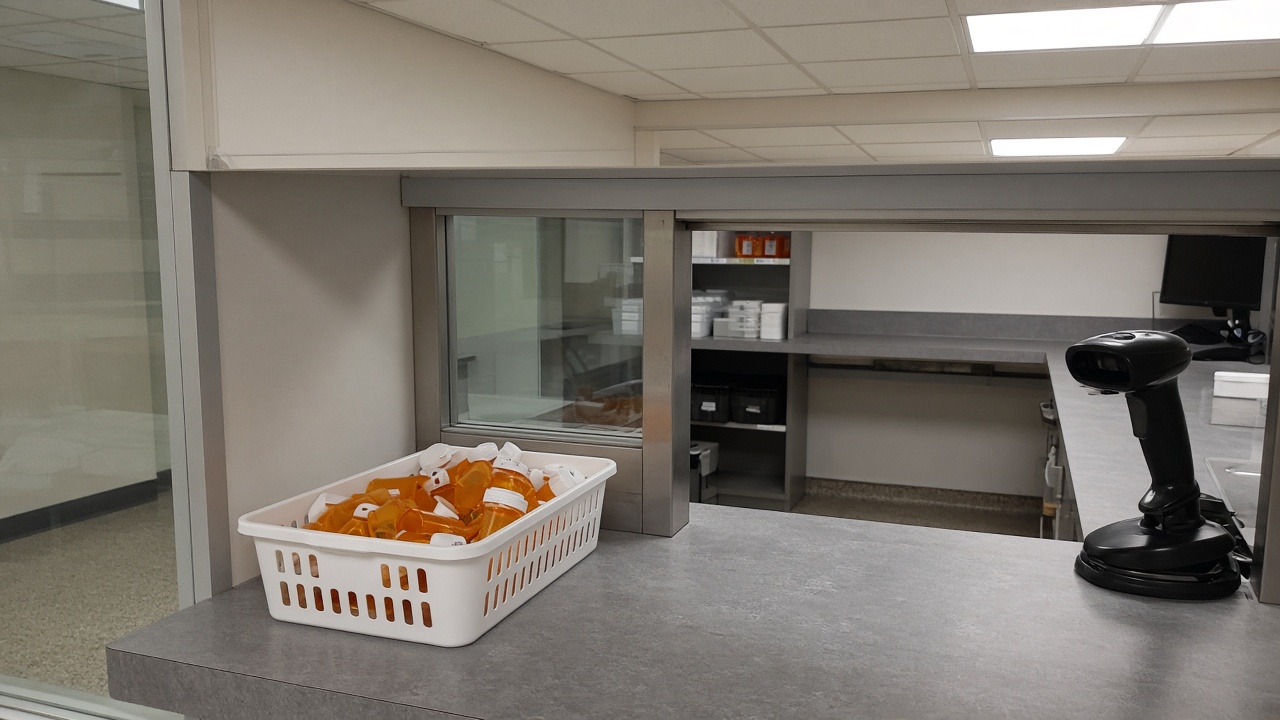
Schedule III drugs require a written, electronic, or oral prescription that meets DEA formatting rules, are subject to quantity limits on refills, and must be stored in secure areas in pharmacies. Patients cannot pick up centanafadine like a standard non-controlled refill; pharmacists will scan and log fills in prescription monitoring programs where state law requires it.
Telehealth prescribers must use DEA-compliant electronic prescribing for controlled substances; paper triplicates still exist for limited exceptions, but most commercial plans push e-scribe routes.
Clinical context without hype
Centanafadine enters a crowded ADHD market alongside stimulants and non-stimulant options. Scheduling does not by itself speak to efficacy; it reflects abuse potential assessments under the CSA. Families starting Simtriyo should expect the same identity verification pharmacies use for other Schedule III products such as certain testosterone or ketamine formulations.
Insurers may require prior authorization separate from DEA rules. Medicare and Medicaid formularies update on their own calendars; a controlled label sometimes triggers step-therapy edits even when the molecule is new.
Provider offices and schools
School nurses cannot administer Schedule III medication from a pooled stock; students need individual labeled prescriptions as with other controlled ADHD drugs. Clinicians should document diagnosis codes and weight eligibility — the FDA label includes a 20 kg floor — before e-prescribing to avoid pharmacy rejections.
DEA registration holders must update office policies for sample storage if manufacturers provide starter packs; most companies skip samples for controlled launches.
Public comment window
Because the rule is interim final, providers and patient groups can file comments electronically through Regulations.gov under Docket No. DEA-1743. Requests for an evidentiary hearing must arrive by the same November 30 deadline. DEA could amend scheduling after review, but pharmacies must treat centanafadine as Schedule III today.
For parents comparing options, the practical difference versus non-controlled ADHD drugs is logistical: extra pharmacy visits, no automatic 90-day mail-order fills in many plans, and stricter lost-pill replacement policies. Plan refills a week early until you know your pharmacy’s inventory rhythm for a newly scheduled brand.
State monitoring and storage rules
Pharmacies must store Schedule III inventory in locked cabinets and log discrepancies. States with prescription drug monitoring programs will show centanafadine fills alongside other controlled ADHD medications, which means clinicians should anticipate pharmacy calls if early refills cluster around school breaks.
Partial fills and transfers follow DEA rules: you cannot move a half-used Schedule III prescription to a new pharmacy without a new prescription in many jurisdictions. Mail-order pharmacies may decline controlled substances entirely, forcing retail pickup even for patients used to 90-day delivery on non-controlled drugs.
Employers and aviation medical examiners may treat Schedule III ADHD medications differently from non-controlled options in safety-sensitive roles. Patients should carry the medication in original labeled containers when traveling domestically; TSA allows medically necessary liquids but officers may swab bottles.
Comments and hearing requests
Patient advocacy groups often use interim final rule windows to ask for lower schedules or exemptions for pediatric use. DEA must publish responses before any amendment, but pharmacies cannot wait — treat Simtriyo as Schedule III while picking up tonight’s fill.
Pharmacy benefit managers may classify Schedule III starts with higher copays until they finish formulary reviews; ask for a temporary override if you are switching from a non-controlled ADHD medication mid-treatment plan.