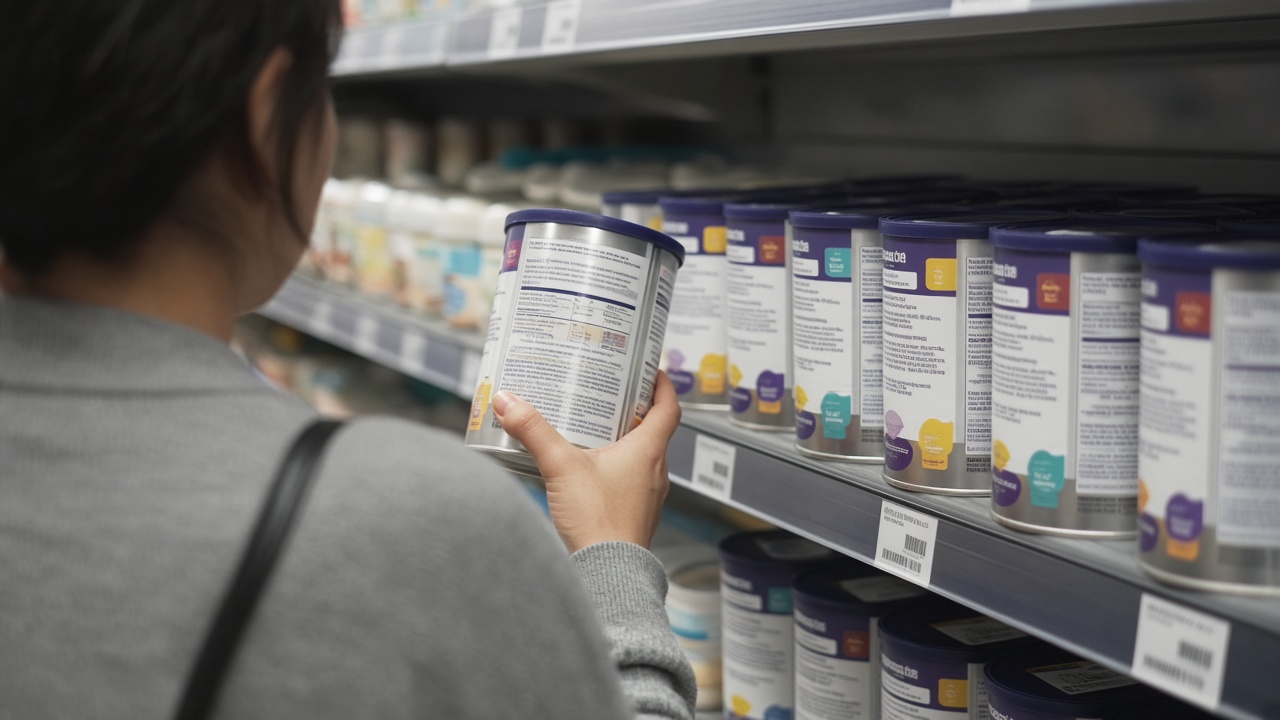
The Food and Drug Administration published a proposed rule Thursday that would rewrite several nutrient requirements for U.S. infant formula for the first time since 1998, pairing the nutrition overhaul with fresh chemical-contaminant testing data the agency is posting for public search.
The move sits inside Operation Stork Speed, the Trump administration's bundle of food-policy changes marketed under the Make America Healthy Again banner. Health Secretary Robert F. Kennedy Jr. said parents deserve confidence in every bottle and that manufacturers would be held to rigorous scientific standards.
What the proposal would change
If finalized, the rule would update specifications for iodine, manganese, vitamin A and vitamin D while reaffirming existing standards for chloride, potassium, selenium and sodium, the Department of Health and Human Services said. The FDA also seeks comment on whether to mandate nutrients that manufacturers commonly add—such as arachidonic acid, docosahexaenoic acid and L-carnitine—even though they are not currently required.
Officials described the release as phase one of a three-part review of all thirty nutrients mandated in formula sold in the United States. Later phases will examine remaining required nutrients, potential new mandates and carbohydrate sources before the agency consolidates everything into a single final rule.
Contaminant dashboards alongside nutrition
Alongside the proposed rule, the FDA published expanded testing results showing most sampled formulas carried low or non-detectable levels of chemical contaminants, consistent with data the agency released earlier in 2026. A new Infant Formula Testing webpage and Chemical Contaminants Dashboard let parents and pediatricians look up lot-level summaries rather than parsing scattered enforcement notices.
The Infant Nutrition Council of America, which represents major manufacturers, said it supports the FDA's review and emphasized existing quality protocols meant to limit heavy metals. Food-safety attorney Bill Marler praised the nutrition work in a blog post but criticized the announcement for not addressing bacterial contamination, citing fifty-two infant hospitalizations linked to botulism outbreaks in powdered formula since November 2025.
What pediatric groups will weigh in on
Marler noted that federal rules require finished powdered formula to be tested for cronobacter and salmonella but not clostridium botulinum, the bacterium tied to infant botulism. He said he plans to petition the FDA to require botulinum testing, a gap pediatric infectious-disease specialists have raised in comment letters during prior rulemakings.
The American Academy of Pediatrics typically evaluates nutrient proposals against breast-milk reference ranges and premature-infant needs. Advocacy groups focused on the 2022 shortage will watch whether tighter specs affect supply resilience, especially for specialty amino-acid formulas that already face long backorders when plants pause production for sanitation upgrades.
How to participate
The Federal Register notice opens a 120-day comment window ending February 26, 2027. Manufacturers, dietitians and parents can submit docket entries through regulations.gov citing docket number FDA-2026-N-0412 once the notice is indexed. HHS said the FDA will continue monitoring contaminant levels under its Closer to Zero initiative and adjust action levels when science supports tighter caps on lead, arsenic or cadmium in infant foods.
For families shopping this week, the proposed rule does not immediately change labels on store shelves. Until a final rule lands—often years after a proposal—existing formulas remain legal so long as they meet current nutrient panels. The practical shift Friday is transparency: parents gained searchable contaminant results even as the longer nutrient rewrite works through Washington's rulemaking calendar.