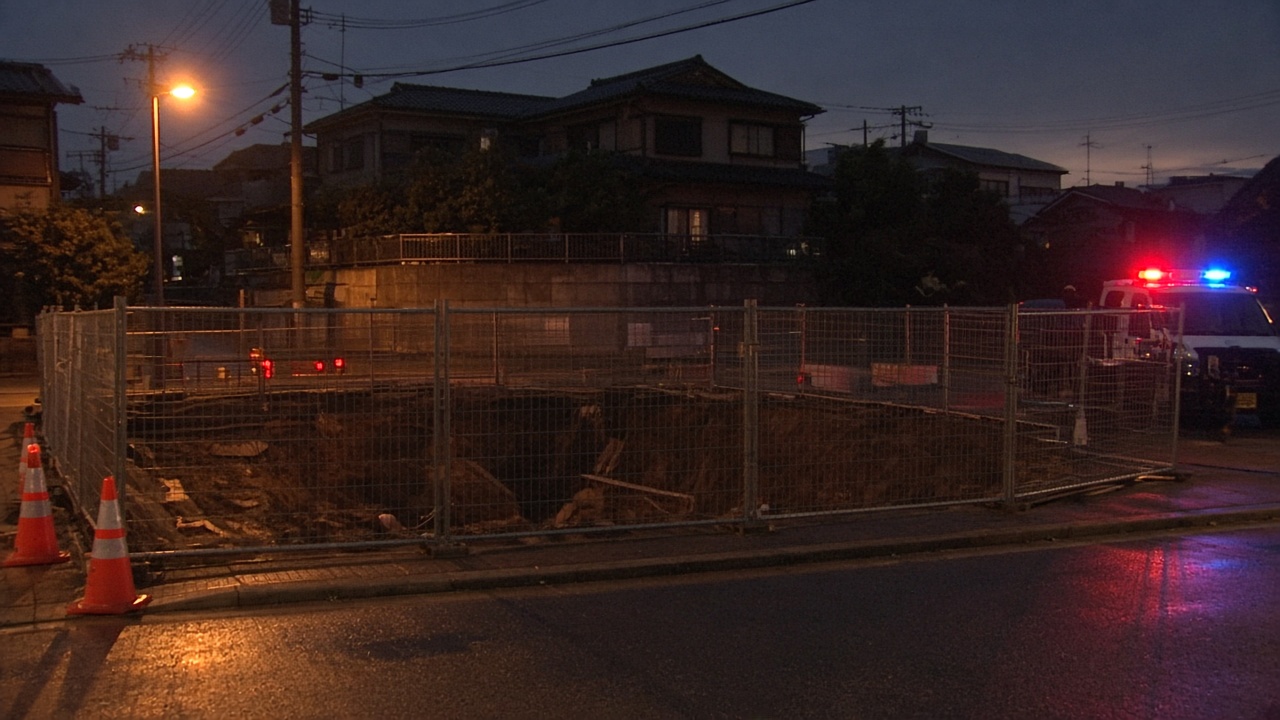
Aichi prefectural police on Friday identified two men who died after being buried under soil at a construction site in Anjo, naming Hidehiko Okada, 51, a self-employed resident of the city, and his 23-year-old son Sota.
Kyodo News reported that the pair became trapped about three metres underground on Thursday and that a second death was confirmed Friday after rescue workers recovered the younger man’s body. The first fatality had been reported earlier in the response.
Site safety and employer obligations
Japanese labour law requires contractors to secure trenches and excavation walls when workers enter below-grade spaces. Prefectural labour bureaus typically join police in fatal construction inquiries to determine whether shoring was absent, weather played a role, or equipment failure contributed to the collapse.
Police have not publicly named the general contractor, the project owner, or whether the Okadas were employees or family helpers on a private job. Those details usually emerge after on-site inspections and interviews with surviving crew members.
Community impact
Father-and-son deaths on the same shift resonate sharply in Japan’s tight-knit subcontractor networks, where multi-generational crews are common on family-run construction firms. Local media attention will likely focus on whether the site had a safety supervisor present and whether a risk assessment was filed before digging began.
Labour ministry statistics show trench collapses remain a leading cause of construction fatalities even as overall industrial death rates fall. A single incident with two victims can trigger spot inspections at nearby sites run by the same contractor group.
What investigators do next
Police will continue a criminal fact-finding inquiry into possible professional negligence, while labour inspectors examine compliance with the Industrial Safety and Health Act. If prosecutors later pursue charges, they would hinge on documented safety violations rather than the tragedy alone.
Funeral arrangements for the Okadas will proceed as investigators preserve soil samples and equipment logs. Any public report from Aichi’s labour bureau could take weeks, but the naming of both victims closes the immediate uncertainty for neighbours who watched helicopters and fire crews at the site Thursday night.
Prefecture-wide scrutiny likely
Aichi governor’s office statements on construction safety often follow dual fatalities, even when the site is small. Municipal governments can order work stoppages on adjacent plots owned by the same contractor until inspectors sign off on revised shoring plans.
Insurance adjusters for the project will also attend, separate from the criminal and labour tracks, to document whether policy limits cover survivor benefits for any other workers on shift. None have been reported injured beyond the Okadas.
National broadcasters picked up the Kyodo brief Friday morning, ensuring the Anjo deaths register in Tokyo policy circles where the government is pushing digitised safety checklists for small builders. Compliance rates in that tier lag larger firms, a gap officials have promised to close before the 2027 fiscal year.