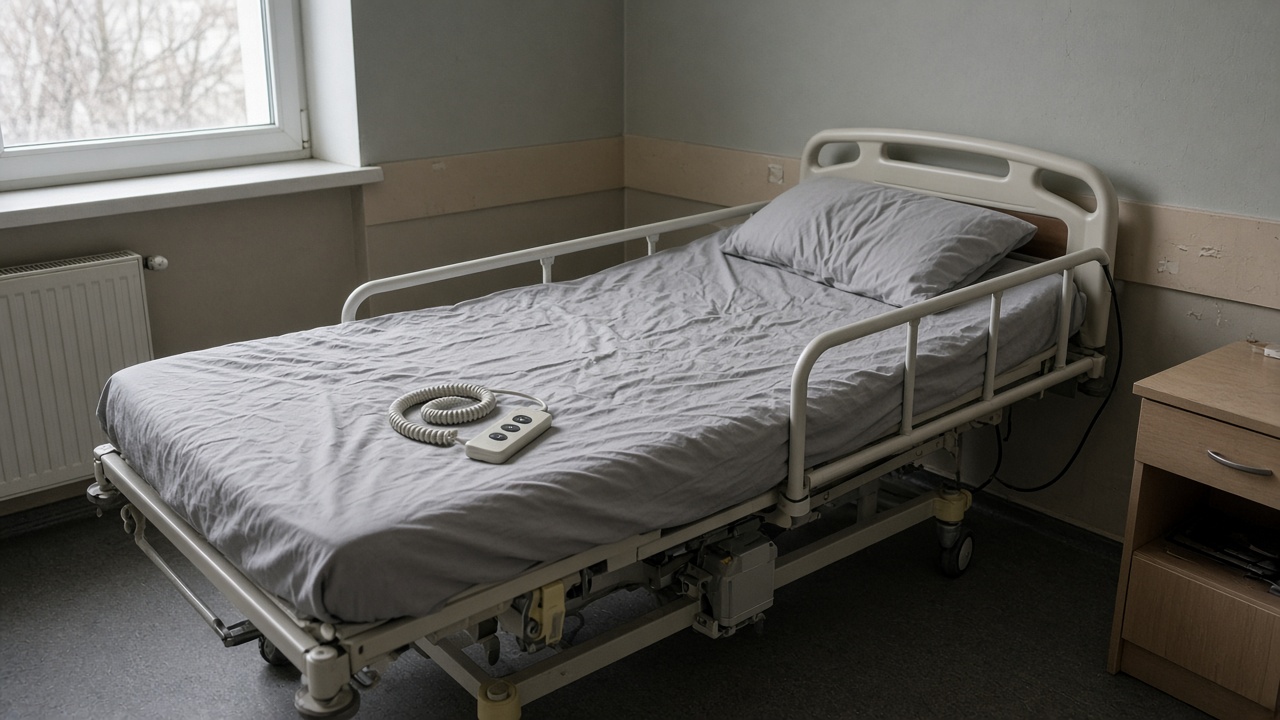
Medline is pulling its electric bed line from the market after the Food and Drug Administration linked the company’s frames, motors, and hand pendants to two deaths and sixteen serious injuries, including fires from overheated components.
The agency posted an urgent device alert covering all Medline-brand beds, rails, mattresses, accessories, and bundled packages sold to nursing homes, hospitals, and home medical equipment dealers. Medline first notified customers on October 14 and updated instructions on October 24 to allow continued use only under strict unplugging rules while the company repairs or replaces units.
Immediate steps for caregivers
FDA’s summary of Medline’s letter tells facilities to unplug beds from wall outlets except during patient repositioning, avoid extension cords, and keep a second staff member available when moving patients. Non-Medline pendants or accessories should not be attached; mixing parts was one of the failure modes cited.
Home caregivers with rented beds should call the supplier listed on the delivery ticket — many dealers service Medline frames even when the mattress brand differs. Do not attempt to open motor housings; overheating can follow jammed rails or fluid ingress into pendants.
Repair, replace, or refund paths
Medline said certain frames qualify for factory repair, while others will receive replacements or full or partial refunds of the original purchase price. The company is exiting the bed business entirely, so long-term support will come through dealers holding spare motors rather than new catalog sales.
Facilities should inventory serial numbers now. Regulators treat continued use without the unplug protocol as a reportable risk; document who unplugged each bed after repositioning if your compliance team requires logs.
Who is exposed beyond hospitals
Bariatric and long-term care beds are included, not just acute-care frames. FDA listed bariatric models, long-term care beds, pendants, and replacement parts. Schools or assisted-living sites that borrowed hospital beds during COVID surges may still have Medline labels on casters.
Injury reports included overheating when motors strained against jammed side rails or when staff used damaged hand controls. The alert does not blame patient weight alone; operational loading and wet pendants appear repeatedly in the narrative FDA published.
Reporting problems
Providers must report deaths and serious injuries to FDA under MedWatch even if Medline opens a case. Patients and families can file voluntary reports through the FDA MedWatch portal with photos of model numbers, not patient faces.
Insurance replacements may lag Medline’s schedule. Medicare durable equipment rules require suppliers to furnish equivalent items when a recall makes a product unusable; keep denial letters if a payer refuses swap-out costs while waiting for Medline’s refund decision.
Facilities and home care coordination
Skilled nursing chains often lease beds from national distributors rather than owning frames outright. Those contracts may assign recall labor to the lessor — facilities should pull lease files today so repair crews are not billed twice while Medline processes refunds.
Home medical equipment companies must swap recalled beds with equivalent devices when Medicare or Medicaid pays the claim. If a supplier stalls, file a complaint with your state health department and keep the FDA Medline alert PDF for appeals.
Fire risk rises when staff leave beds plugged in overnight for convenience. The updated Medline letter explicitly calls for unplugging except during repositioning; shift supervisors should add that step to CNA checklists until replacements arrive.
Joint Commission surveyors may ask for recall logs during infection-control rounds; keep Medline’s October 24 update printed at the nurse station with serial numbers highlighted.
State ombudsman offices take bed-safety complaints from nursing home residents; cite the FDA alert number when you call so investigators can cross-reference Medline’s serial lists.
Dealers renting beds to college athletic trainers or recovery centers should check basements and storage units — Medline’s exit means spare motors will become scarce by spring, so document every frame now even if it is unplugged in storage.