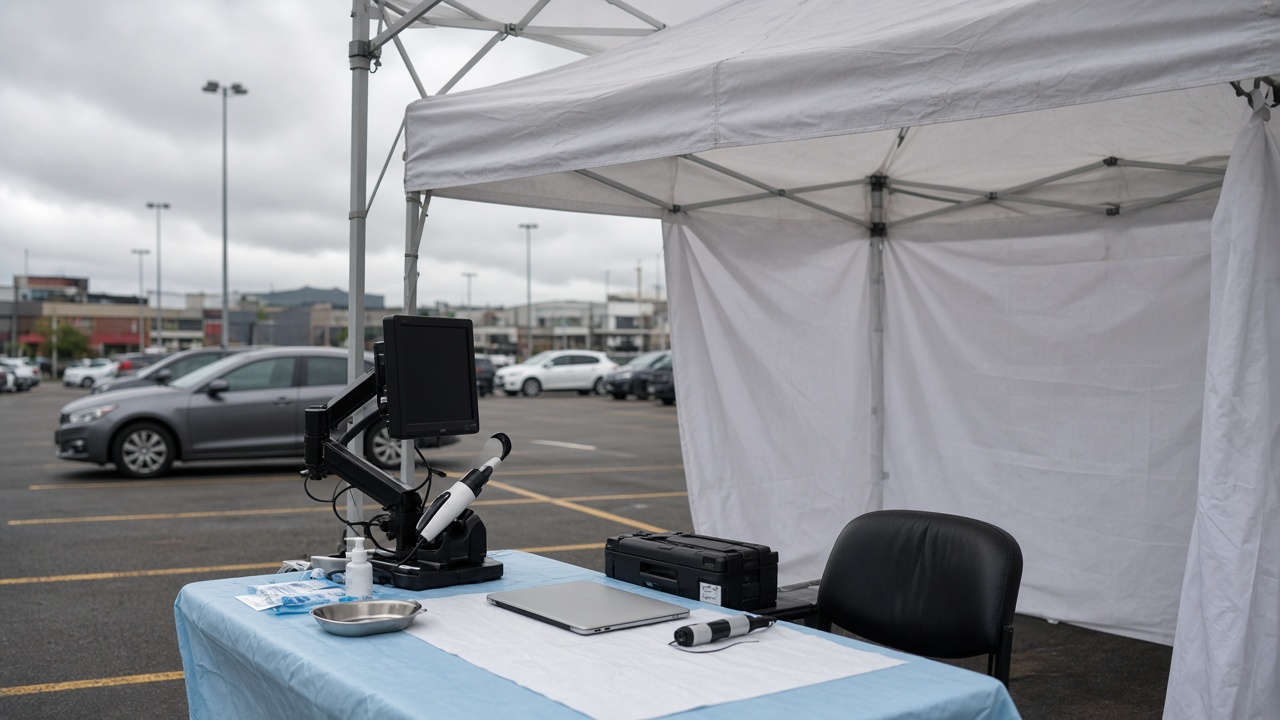
The Melanoma Institute Australia said stage-four melanoma presentations at its partner hospitals fell 18 percent in October compared with the same month last year, weeks after a SkinCheck blitz offered free dermoscopy appointments in western Sydney shopping centres.
The institute stressed the figure is provisional and drawn from seven hospitals, not a national registry. Still, director Professor Georgina Long told reporters that the drop coincided with a spike in stage-one detections in the same catchments, suggesting earlier biopsy rather than fewer overall cases.
What the blitz did
During the fortnight-long campaign, mobile clinics screened 4,200 people in Blacktown, Liverpool, and Penrith, prioritising men over 50 with outdoor work histories. GPs received same-day telehealth slots to punch biopsy referrals when nurses flagged asymmetric lesions. Medicare billed standard item numbers; philanthropists covered gap fees for uninsured patients.
Long said the institute will publish peer-reviewed methods after six months of follow-up, including whether screened patients actually completed biopsy appointments or dropped out because of cost-of-living stress. Early data show cancellation rates highest on days when Western Sydney heat pushed above 38 degrees, a reminder that outdoor queues deter the very workers the campaign targeted.
Limits and next steps
Epidemiologists warned against claiming victory from one month’s data. Seasonal UV indexes are rising toward summer, and international travel resumes sun exposure patterns disrupted during pandemic years. The institute plans a smaller blitz in Queensland regional towns before Christmas, partnering with RFDS planes where dermatologists are scarce.
Federal health officials said the results would inform next year’s skin cancer budget but did not commit to national funding. They urged Australians to keep using the free MBS skin checks available through GPs rather than waiting for pop-up events alone.
Pharmacists in the same western Sydney districts reported higher sunscreen sell-through during the blitz weeks, a secondary signal that messaging reached shoppers even when they did not join the queue for dermoscopy. Cancer Council NSW plans to extend billboard reminders about hat and shirt use on construction sites, where male workers remain overrepresented in late-stage diagnoses nationally.
Private dermatology waitlists in Parramatta and Blacktown still stretch beyond eight weeks for non-urgent moles, a bottleneck Long said the blitz did not solve but made visible to state planners deciding where to fund bulk-billed clinics next year.
The institute will publish suburb-level maps showing where stage-one gains clustered, data GPs requested to target mobile screening vans before the summer UV index peaks in December.