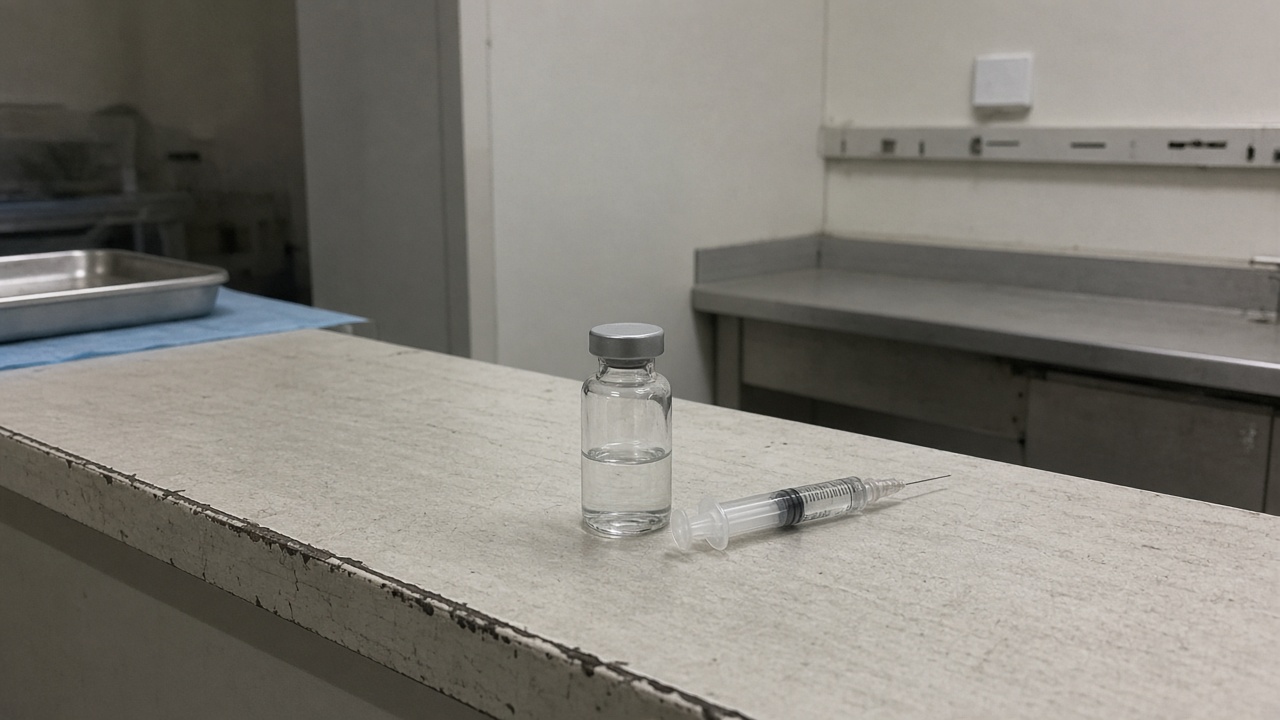
The Ministry of Health said 2026–2027 northern hemisphere influenza vaccines reached clinics about two weeks later than usual, forcing polyclinics to reschedule appointments while respiratory illness climbed alongside hazy skies.
Communicable Diseases Agency statistics cited by CNA showed influenza positivity at 44 per cent for the week from 27 September to 3 October, the highest weekly reading since surveillance began in February 2024 and more than double the 20 per cent seen in early August. Health Minister Ong Ye Kung told reporters on 11 October that emergency departments and polyclinics were seeing more respiratory cases as haze persisted.
Why the NH dose arrived late
MOH’s 4 September circular explained that pharmaceutical companies faced an industry-wide delay formulating the latest northern hemisphere vaccine, which includes a two-strain change from the 2026 southern hemisphere shot recommended by the World Health Organization. Providers expected delivery in early to mid-October instead of the usual end-September window. The Expert Committee on Immunisation advised eligible groups to take the southern hemisphere dose if they had none and wanted interim protection, then receive the northern hemisphere shot at least eight weeks later.
Polyclinics and Community Health Assist Scheme general practitioners began contacting patients to move bookings. Healthier SG enrollees were told to wait for slots at their enrolled clinics. Retail pharmacies participating in the national programme also waited on stock.
Who needs the jab
MOH continues to recommend vaccination for seniors aged 65 and older, children aged six months to under five years, and people with underlying conditions. The 2026–2027 northern hemisphere formula is preferred for the upcoming season that mirrors temperate winter spread from October to March. Individuals who already received the southern hemisphere dose should wait for the NH version rather than double up within eight weeks.
MOH said healthcare institutions have haze response measures and sufficient supplies to treat smoke-related illness. Flu and haze together strain the same outpatient channels, which is why delayed vaccines frustrated family doctors in October.
Dengue overlap
Meanwhile NEA reported 61 dengue cases in the week ending 24 October, with an active 99-case cluster near Ho Ching Road. Peak dengue season traditionally runs to October, so fever patients must distinguish arbovirus symptoms from influenza. MOH’s dual messaging—vaccinate for flu, remove stagnant water for dengue—runs on parallel tracks even when clinics are busy with haze-related coughs.
Residents can book influenza appointments at vaccine.gov.sg/flu when their clinic confirms NH stock. Until then, mask use outdoors on hazy days and hand hygiene indoors remain the low-tech defences MOH keeps repeating while vials clear customs.