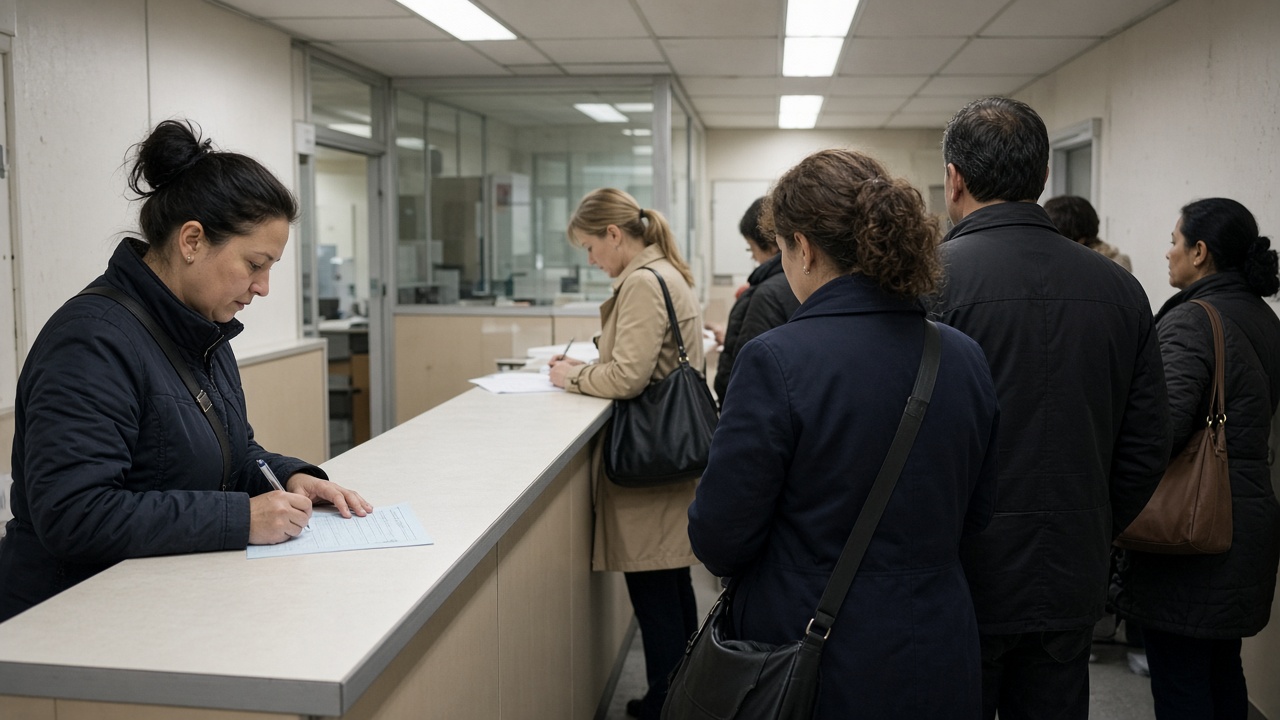
Workers’ Party MP He Ting Ru asked the Ministry of Education on 7 October how revised Primary 1 registration rules will weigh home-to-school distance, school affiliation and social mixing when places are scarce, and parents filing for the 2027 intake are already recalculating their odds.
The question landed in a sitting that also covered digital infrastructure and frontier artificial intelligence safety, but for households in mature estates the registration framework still sets the rhythm of July exercises, ballot phases and the anxiety of Phase 2B distances. MOE has not published the full rule book for 2027 yet; the October exchange instead clarified the trade-offs ministers will have to defend when caps move.
Why distance caps matter again
Singapore’s P1 system ranks children in phases, with priority given to siblings, alumni and home-school distance within one or two kilometres depending on phase. When MOE tightens or loosens those bands, the effect shows up quickly on resale flat listings near popular schools and in forum threads about “1 km” versus “2 km” claims. MPs argued that social mixing goals can conflict with distance priority if affiliation bonuses still cluster pupils from the same primary feeder paths.
MOE’s reply, delivered in the official report of the 7 October sitting, stressed that any revision must keep access open for children without legacy ties while preserving predictable rules parents can plan around. That includes verifying home addresses at registration time and cross-checking divorce cases, another topic MPs raised separately in the same sitting.
Affiliation and mixing
Affiliated secondary schools reserve a slice of places for linked primary schools. Parents watch those percentages because they effectively lock in a two-step pathway. If MOE shifts affiliation weightings to promote mixing, demand could spill into non-affiliated schools and change transport patterns for school bus operators. Conversely, leaving affiliation untouched while tightening distance would favour families who can afford flats within the shortest radius.
MOE told Parliament it will balance affiliation history with diversity goals rather than rely on a single metric. The ministry did not announce new ballot ratios in October; it framed the changes as incremental adjustments ahead of the next registration cycle rather than a wholesale rewrite.
What parents should do now
Families targeting 2027 should confirm their address category on the MOE website, watch for the annual registration brief usually released before Phase 1, and keep alternative schools within reasonable travel time. Parents undergoing divorce should expect tighter verification after MPs flagged split-household applications. None of that replaces the eventual circular, but the October sitting signalled that distance caps and mixing will be spelled out together, not in separate silos.
Until MOE publishes the 2027 phases, estate agents and tuition centres will speculate; the authoritative numbers will still come from the ministry’s registration microsite when the exercise opens. Parliament’s role this month was to lock in the policy lenses—distance, affiliation, mixing—before those digits land.