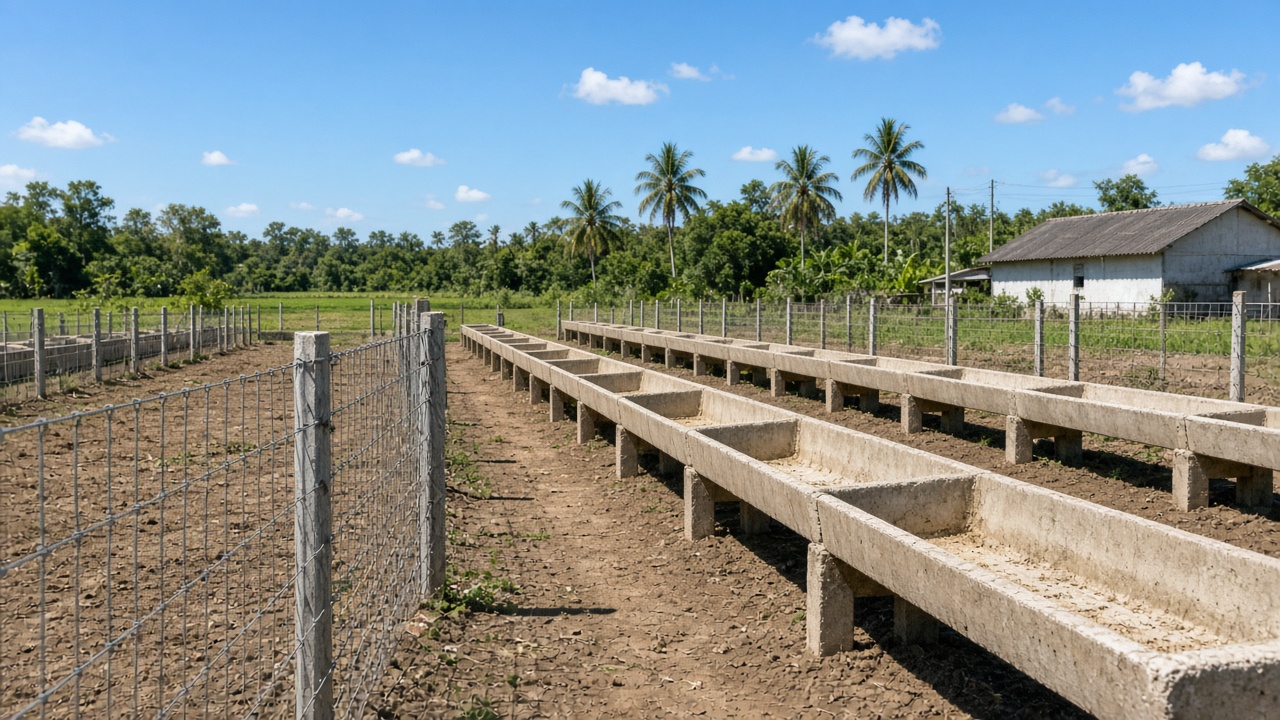
Taiwan’s Council of Agriculture confirmed H5N6 avian influenza at a duck farm in Pingtung’s Fangliao township Friday, marking the thirteenth affected premises since the outbreak began and keeping a seven-day nationwide poultry transport ban in place.
Officials culled 4,800 ducks on site and expanded surveillance within a three-kilometer radius, standard protocol for highly pathogenic strains. The farm supplied meat ducks to southern restaurants, not table-egg layers, but wholesalers still rerouted chilled egg pallets from Yunlin and Changhua to cover Kaohsiung breakfast shops that normally rely on cross-county deliveries.
Supply chain adjustments
Taipei Egg Wholesale Market prices for large graded eggs rose NT$20 per catty to NT$260 on Friday morning, moderating from sharper spikes when the ninth premises was announced last week. Council of Agriculture Minister Chen Junne-jih said cold-chain trucks certified before the transport ban may still move eggs directly from approved farms to retailers, preventing the panic buying seen in 2022 outbreaks.
Pingtung County government set up a farmer hotline to arrange feed deliveries without moving live birds, a workaround permitted under the ban’s text. Duck farmers in Fangliao worry about Mid-Autumn leftover inventory if restaurants cut orders; the county promised compensation applications once laboratory sequences match the central epizootic template.
Public health posture
Centers for Disease Control officials repeated that properly cooked poultry remains safe and that no human H5N6 cases have been detected in Taiwan. They asked clinics to flag unexplained respiratory clusters among poultry workers, extending a surveillance program launched when the first premises was confirmed in Chiayi.
Environmental groups urged tighter biosecurity on smallhold farms near wetlands where migratory birds gather; agriculture officials said they will inspect fencing and disinfectant stations in Fangliao over the weekend, but rejected calls for a blanket shutdown of outdoor duck operations, citing livelihood impacts.
What lifts the ban
The transport ban runs through November 5 unless no new premises appear during active surveillance, a threshold officials missed last week when the twelfth site surfaced in Tainan. Extending the ban again would push broiler processors to adjust slaughter schedules nationwide, a cost Chen said the government would offset with accelerated indemnity payments.
Export markets have not imposed new bans on Taiwanese processed poultry beyond existing Japanese testing requirements, preserving a rare bright spot for meat processors that rely on overseas orders. Domestic consumers, meanwhile, should expect sticker shock on eggs until central Taiwan farms ramp shipments south on approved trucks.