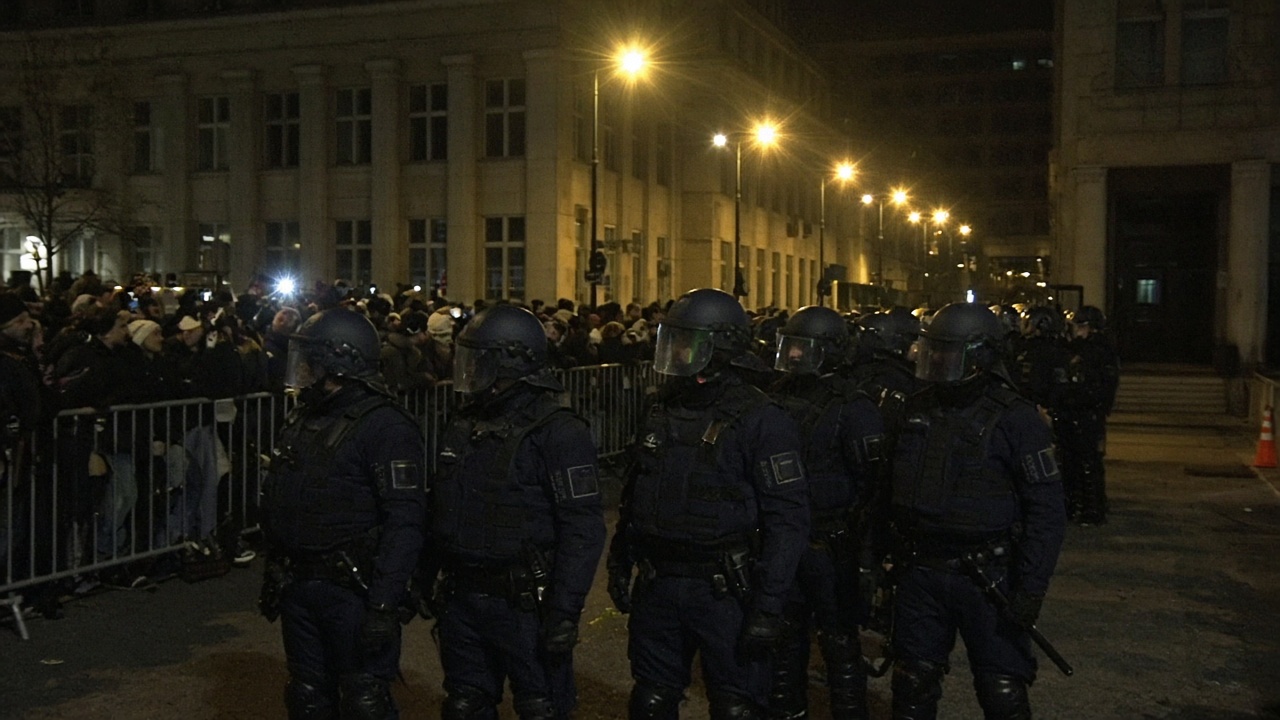
Polish President Karol Nawrocki turned his aircraft around over Africa on Friday and flew back to Warsaw after riot police sealed the Constitutional Tribunal and judges backed by Prime Minister Donald Tusk's parliamentary majority suspended the court's nationalist-linked president, Bogdan Święczkowski, for one month.
"At a moment like this, the President must be in Poland. I am cutting short my flight to Senegal. I am returning," Nawrocki posted on X as protesters and Law and Justice (PiS) leader Jarosław Kaczyński massed outside the tribunal building. Police said officers secured the premises after demonstrators breached fencing and threw objects at lines guarding the court, detaining three people.
What changed at the tribunal
The suspension capped a decade-long fight over a bench PiS packed during its eight years in power. Judge Anna Korwin-Piotrowska, one of several jurists elected by Tusk's current majority but barred by Święczkowski from hearing cases, announced that she was taking charge after Święczkowski and his deputy, Bartłomiej Sochański, were sidelined for failing to allow the new appointees to work.
Święczkowski rejected the move as a "coup d'état" and refused to recognize Korwin-Piotrowska's authority. The tribunal's website nonetheless listed him as suspended on Friday. Justice Minister Waldemar Żurek told reporters he had asked prosecutors to lift the immunities of Święczkowski and Sochański for obstructing judges sworn in by parliament but blocked from the bench.
Nawrocki, a PiS ally elected last year, had already refused to swear in three of six judges nominated by the current Sejm, leaving the court split between appointees from rival political eras. Restoring the rule of law is "difficult, at times even painful," Tusk wrote on X, "and requires decisive action. There is no other way."
Why Brussels is watching
The Constitutional Tribunal can strike down legislation and helped impose Poland's near-total abortion ban under PiS. It also became a flashpoint in Warsaw's rule-of-law dispute with the European Union, which last December found the court failed to meet EU standards of judicial independence.
European officials have tied billions in recovery funds to judicial reforms. Friday's escalation does not by itself unlock that money, but it signals Tusk's government is willing to confront PiS holdovers inside the tribunal rather than wait for Nawrocki's term to expire. Kaczyński, who tried to enter the building during the protest, accused Tusk of turning Poland into a "police state" and demanded presidential intervention to reverse the suspensions.
What happens next
Nawrocki's return puts two rival power centers on a collision course over who may gavel sessions at the tribunal and which panel can rule on new laws, including measures Tusk's coalition wants to unwind PiS-era restrictions. Prosecutors must decide whether to pursue immunity waivers against Święczkowski and Sochański, while Korwin-Piotrowska's month-long stewardship could face legal challenges from PiS-appointed judges still inside the building.
Police said they deployed to protect judges and staff after warnings of threats, not to pick sides in the bench dispute. With Senegal's state visit abandoned and Warsaw streets still tense, the immediate question is whether Nawrocki uses presidential powers to reinstate Święczkowski or accepts a tribunal led, however briefly, by judges his allies have fought to exclude.