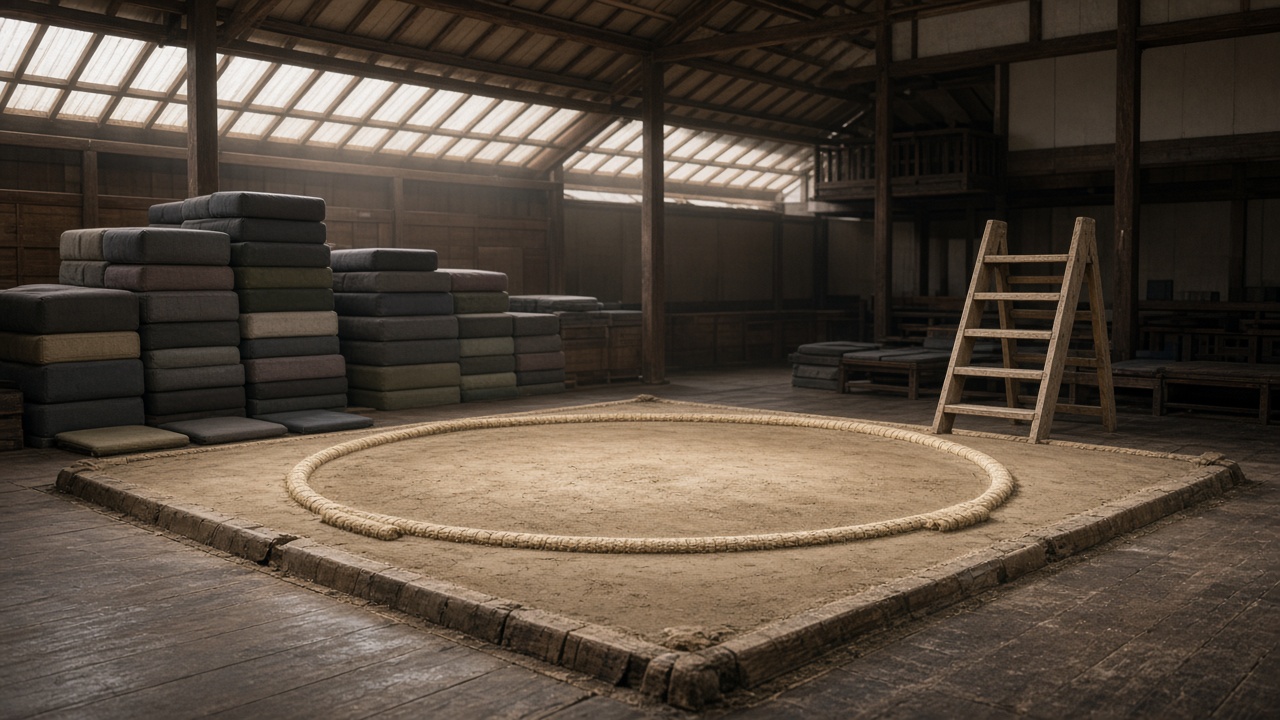
The All-Japan University Sumo Championship began at Ryogoku Kokugikan in Tokyo on October 31, drawing sixty-three schools across two days of competition that decide the student team title and individual weight-class honors. Day one featured Tokyo Big6 league matches and early-round bouts for regional champions who qualified through prefectural tournaments.
Format and stakes
Teams earn points from individual wins in five weight divisions plus a open class; cumulative team score crowns the national university champion. The winner often receives invitations to exhibition matches alongside professional stables scouting amateur standouts.
This year’s entry list includes returning individual champion contenders from Nihon University and Tokai University, plus a freshman from Kwansei Gakuin who won autumn regional qualifiers.
Day-one marquee matches
Keio and Waseda met in the Tokyo six-university block at 10 a.m., continuing a rivalry that fills lower-bowl seats even when professional tournaments are off-season. Hosei and Meiji followed on the schedule published by the university federation.
Referees from the Japan Sumo Association officiated, maintaining professional rules on hair topknots, belt tying and ring-entry rituals that distinguish sumo from other amateur wrestling codes.
Path to professional sumo
Scouts from prominent stables watched morning practice sessions at adjacent training halls. Amateur champions who join professional heya often enter at lower divisions, climbing through juryo and makuuchi over years.
University careers now include sports science majors tracking nutrition and strength data, reflecting modernization without abandoning traditional shiko stomp warmups.
Facility and broadcast
Ryogoku Kokugikan last hosted student nationals in 2024; arena staff reused professional-grade clay rings rebuilt overnight after a corporate event. Local broadcasters streamed selected bouts on regional sports channels; national networks planned highlights after day-two finals.
Ticket prices stayed below professional basho levels to encourage student supporters; alumni associations subsidized bus travel from Kansai campuses.
Women’s college sumo
Separate federations govern women’s college sumo; this championship remains men-only under Japan Sumo Association rules, a policy student groups continue to debate. Exhibition women’s bouts occurred at nearby community halls this week, drawing media attention without changing the main tournament structure.
International university leagues invited Japanese winners to dual meets in Mongolia and Georgia next spring if visa schedules align.
Schedule for day two
Semifinals and finals run November 1 starting at 9 a.m., culminating in an awards ceremony before professional evening practice at adjacent stables. Weather does not affect indoor play, but typhoon season travel disrupted one Shikoku team’s arrival, forcing a late substitution.
For sumo fans between professional basho, the student tournament offers a glimpse of future rikishi and preserves amateur pipelines that feed Japan’s national sport identity.
Ticket sales and arena operations
Kokugikan staff reported day-one attendance near eighty percent of lower-bowl capacity, strong for an amateur weekday start. Security followed professional basho protocols banning drones and large banners while allowing school brass bands during intermissions between team blocks.
Merchandise booths sold student-branded towels and program booklets whose proceeds fund travel grants for distant prefectures, keeping the tournament accessible beyond Kanto powerhouse schools.