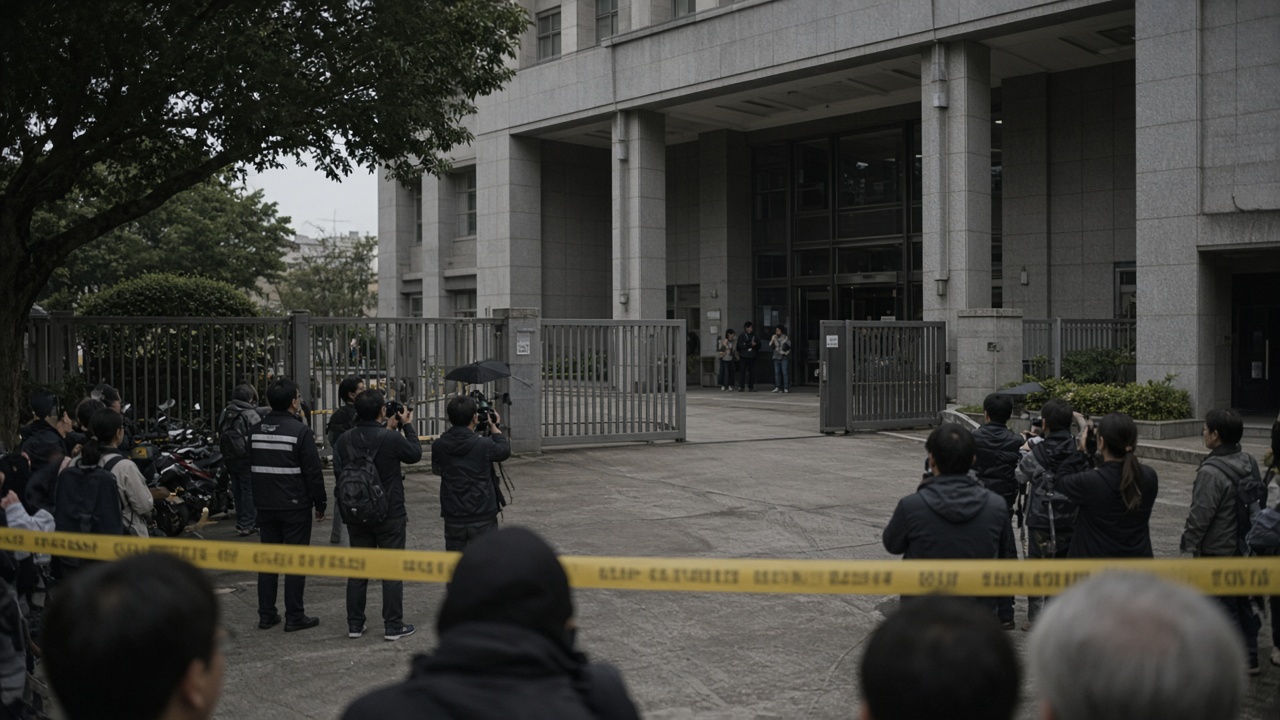
Taichung prosecutors secured jail without bail for the married founders of Altotech Technology after the Army reported that drones built for training carried semiconductors marked with mainland-origin labels, violating procurement rules that exclude China and Hong Kong components. The Ministry of National Defense said an Army unit discovered the chips during acceptance testing; the case moved to the Taichung District Prosecutors Office after the military filed a complaint, and judges approved detention for the company’s chairman and his wife on national-security and fraud charges.
Altotech, once branded the “remote-control helicopter king” for its global hobby market share, expanded into government bids for police, fire and military unmanned aircraft. Prosecutors told reporters the firm won multiple tenders; when engineers opened one Army training drone they found integrated circuits stamped with “CN” lettering that pointed to Chinese production. A follow-up search of another batch bound for the military turned up similar parts, prompting an October raid on the Fengyuan headquarters that brought six people in for questioning.
What the contracts require
Defense procurement templates for sensitive unmanned systems bar components from China, Macau or Hong Kong even when final assembly happens in Taiwan. Prosecutors said Altotech’s bids pledged compliance, making the chip discovery a potential fraud as well as a security breach because flight controllers and telemetry boards can expose operational data. The Army has not named the unit involved, but officials confirmed the aircraft were designated for training and instruction rather than front-line strike missions, limiting immediate tactical risk while widening the audit to other vendors.
Who is liable now
The detained couple, identified in court filings by their surnames Du and Huang, remain under investigation while forensic accountants trace supply chains for the flagged lots. Taichung prosecutors emphasized that the case began with the military’s own inspection, not an external tip, and that additional employees could face charges if evidence shows knowing substitution. The Ministry of National Defense said it is reviewing acceptance procedures across drone programs and will suspend payments on affected contracts until replacements meet origin rules.
What Taiwan agencies watch next
Lawmakers from both camps are expected to summon defense officials next week to explain how CN-marked parts cleared initial paperwork. For Taiwan’s drone industry, the detention order signals that cross-strait component leakage in defense supply chains will be treated as a criminal national-security matter, not a procurement paperwork error, even when the airframes themselves are assembled on the island.