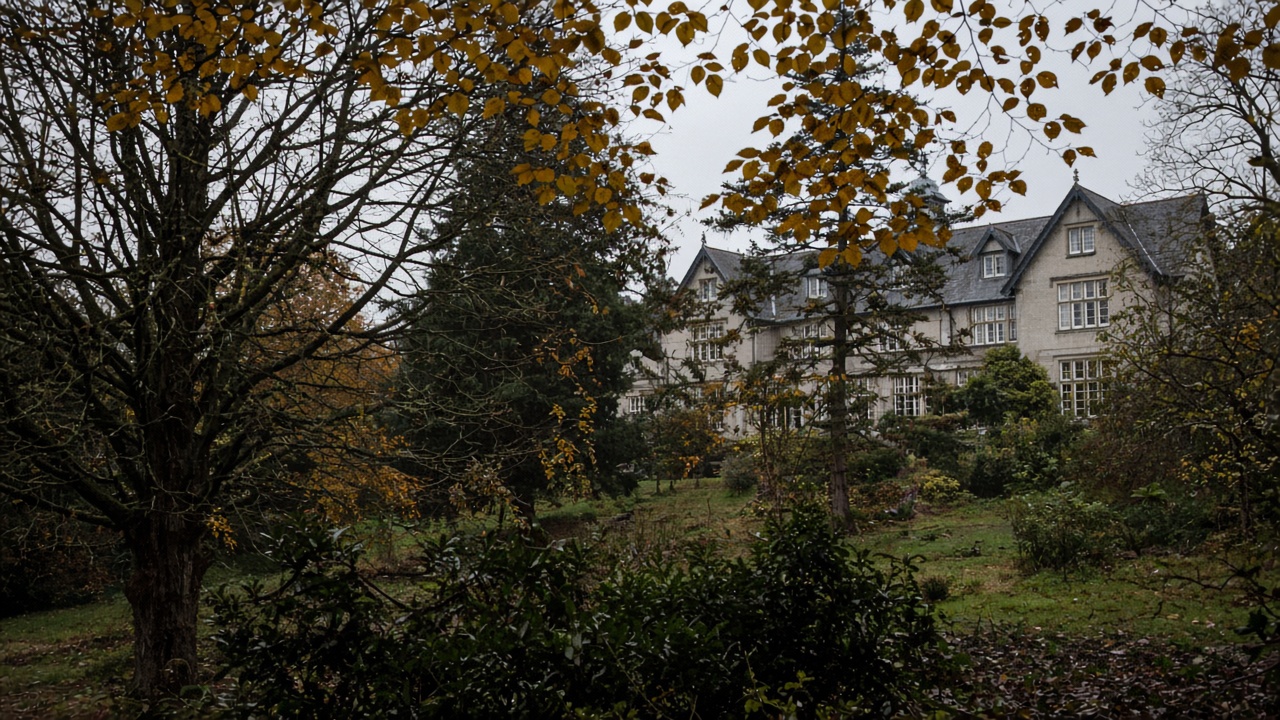
King Charles III on Thursday removed his younger brother’s royal titles, renamed him Andrew Mountbatten Windsor, and ordered him to leave the 30-room Royal Lodge on the Windsor estate, Buckingham Palace said in a statement that landed after months of pressure over the former prince’s association with the late financier Jeffrey Epstein.
What the palace changed on the order paper
The King revoked Andrew’s style of prince, his dukedom of York and his remaining military affiliations and charitable patronages tied to the crown, the palace said. Andrew, who has repeatedly denied wrongdoing in civil litigation connected to Epstein, becomes the first sibling in modern times to be stripped of princely rank. He remains eighth in line to the throne because succession is governed by statute, not royal letters; Prime Minister Keir Starmer’s office said the government has no plan to legislate on that point for now, though several MPs have called for a bill to bar him from the crown.
Charles, who is continuing cancer treatment, framed the move as protecting the monarchy’s reputation. Conservative and Labour politicians largely welcomed the decision on Friday, and several newspapers that had campaigned for Andrew’s removal praised the King for acting before the Budget and a difficult winter session.
Where Andrew goes and when
Royal Lodge, which Andrew leased from the Crown Estate, will be vacated “as soon as possible and practicable,” the palace said. BBC reporting citing royal sources suggests the physical move to a property on the King’s Sandringham estate in Norfolk may slip into the new year to avoid the awkward optics of Andrew joining the family’s Christmas gathering. Charles will pay for the accommodation and provide private financial support, the statement added, without detailing amounts.
Andrew’s ex-wife Sarah Ferguson continues to live at Royal Lodge under separate arrangements; palace officials have not said whether those terms change immediately. Security costs and staff contracts will be renegotiated as part of the transition, according to briefings given to broadcasters.
What Parliament is not doing yet
Starmer told reporters the palace decision was a matter for the King, while welcoming the outcome. Constitutional experts note that only an Act of Parliament could remove Andrew from the line of succession; no such bill is listed on the Commons order paper. For Charles, the practical effect is clearer: Andrew will no longer appear at official events, his name will disappear from the court circular’s senior ranks, and the Windsor mansion that symbolised his status will return to the crown’s control once movers finish the job.