Influenza A(H3N2) accounted for 10.6 percent of positive respiratory specimens in Korea Disease Control and Prevention Agency surveillance for epidemiological week 43, which ended Oct. 25, while outpatient influenza-like illness ratios continued to exceed the seasonal threshold.
The agency’s English weekly report put overall ILI at 13.6 cases per 1,000 outpatients, above the 9.1 trigger for the 2025–2026 season. Subtype breakdowns showed A(H1N1)pdm09 at 0.9 percent and B at zero in the same panel.
Pediatric skew
Earlier October advisories noted children and adolescents leading ILI counts after the Oct. 17 epidemic alert. Schools in several provinces reported absentee spikes consistent with H3N2 dominance, though national absentee dashboards remain partially delayed after the National Information Resources Service fire disrupted some statistics pipelines.
Vaccine match
Officials said circulating H3N2 resembles the current vaccine strain and that antiviral resistance markers have not changed treatment guidance. High-risk groups still receive insurance-covered antivirals when clinicians document influenza-like illness.
What hospitals see now
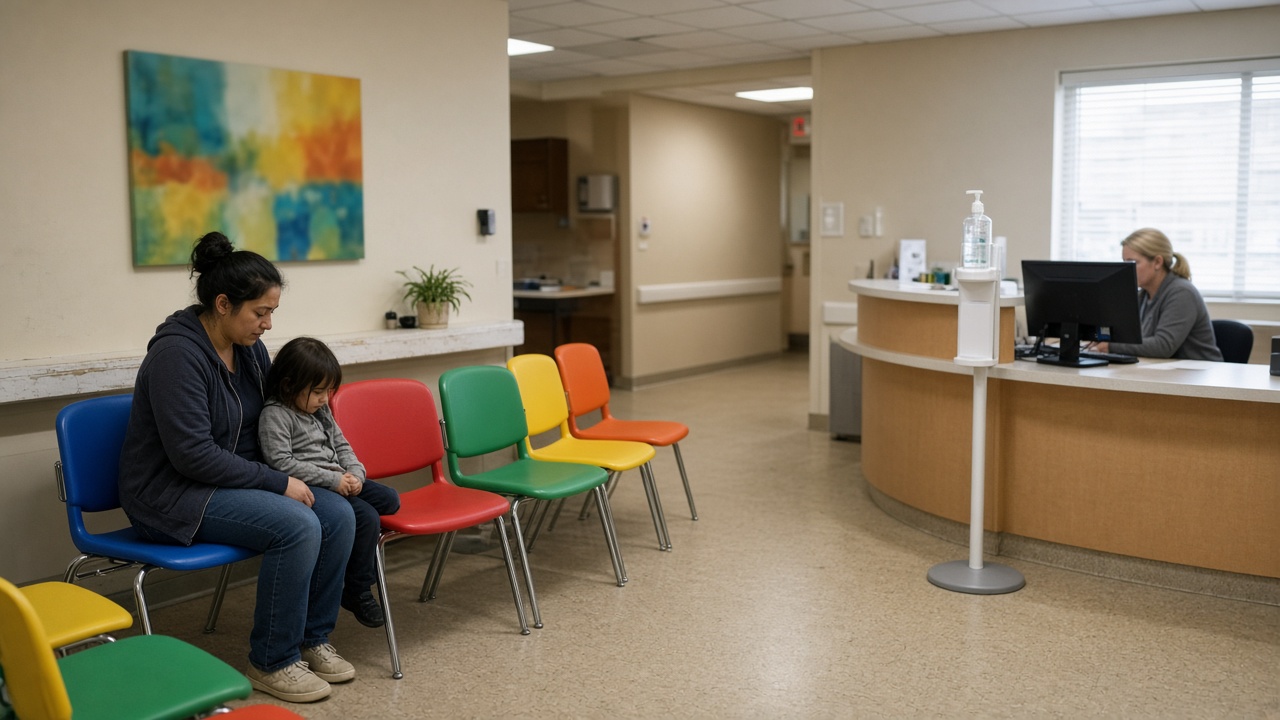
Respiratory virus panels also detected rhinovirus and RSV, so fever alone does not prove flu. Emergency rooms ask patients to mask in crowded waiting areas as Halloween gatherings overlap with the upswing.
Market participants said the story would stay in the headline rotation until regulators and companies publish hard numbers rather than summit-stage talking points.
Analysts cautioned that one session’s momentum can reverse quickly if overnight U.S. tech earnings disappoint or if the won swings on trade headlines.
Retail investors should watch Friday volume and foreign flow data on the Korea Exchange website when planning next week’s orders.