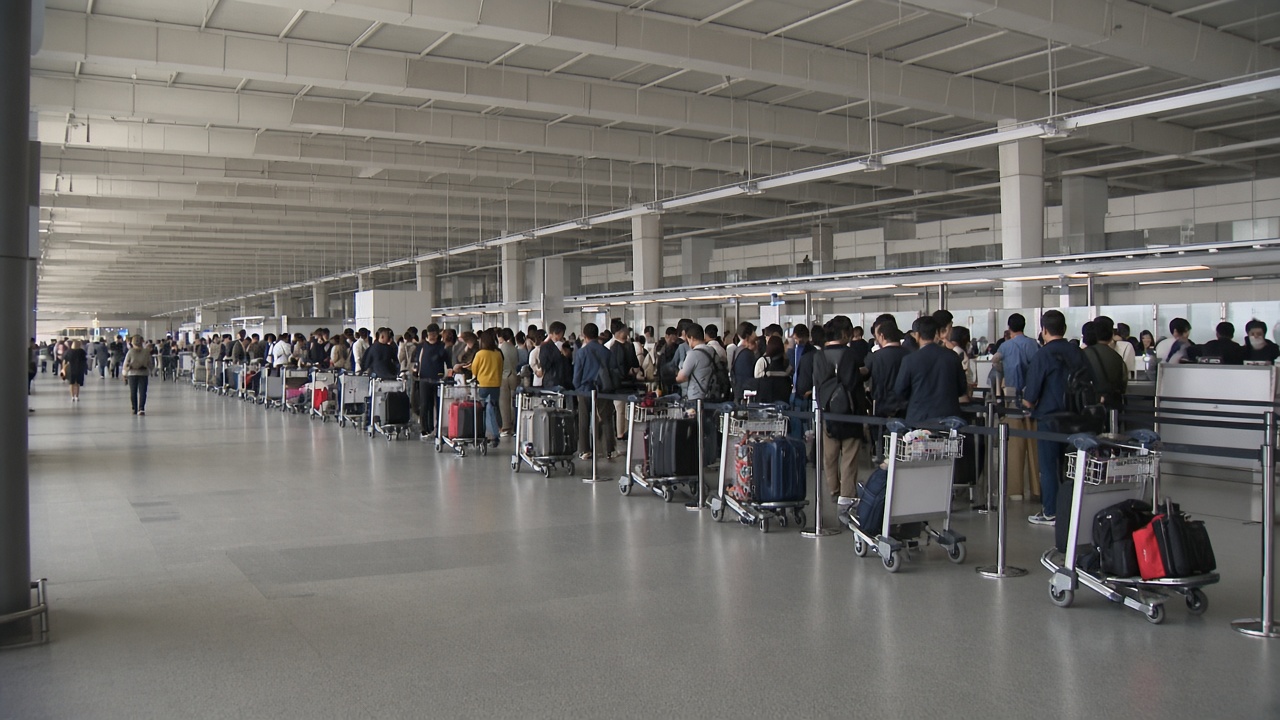
Incheon International Airport spent most of Friday recovering from back-to-back failures in airline ticketing networks that left about 1,200 passengers stranded at counters and delayed 38 departures. The first outage struck at 4:30 a.m. when ARINC, the U.S. aviation communications provider, suffered a global network glitch that interrupted check-in for eight airlines in Terminal 1 and five in Terminal 2, airport operator IIAC said.
Passengers described lines stretching past adjacent carrier desks, with some travelers sitting on the floor while waiting for boarding passes. A passenger bound for Egypt via Shanghai told reporters that missed connections were cascading through the afternoon even after partial fixes.
Chinese carriers hit again at midday
Although ARINC service stabilized, a separate noon failure in TravelSky—the ticketing platform used by China Eastern, China Southern and Air China—effectively halted automated check-in for those carriers. Staff switched to manual processing, but the slowdown rippled through security and immigration queues already swollen from the morning backlog.
By 3:30 p.m., airport officials counted roughly 1,200 people waiting at airline counters. China Eastern’s H-counter queue stretched past the L desks, a scene captured by local media as frustration peaked ahead of weekend holiday travel.
Airport mobilization and government support
IIAC said it reorganized passenger lines, added roughly 60 information and security staff, and asked the Justice Ministry to deploy extra immigration officers to keep lanes moving. Security screening teams were reinforced in departure halls to prevent the ticketing jam from turning into missed flights on the tarmac side.
The operator initially believed flight schedules were unaffected, then acknowledged delays once Chinese airline systems stopped issuing tickets. SBS reported 35 delayed flights at mid-afternoon; the final tally reached 38 by 5 p.m., when IIAC declared both ARINC and TravelSky services fully restored.
What investigators will ask
Aviation regulators in Seoul are likely to press airlines on redundancy plans when a single vendor’s network fails overseas. ARINC outages ripple worldwide because carriers share common messaging links for weight balances, gate assignments and now cloud-hosted ticketing.
For Korea’s main international gateway—already bracing for winter peak traffic—the incident is a reminder that airport capacity depends as much on software uptime as on runway slots. IIAC pledged continued monitoring through the night, but passengers who lost a day to queues may seek compensation from individual carriers rather than the airport authority.
Travel agencies said they were rebooking tour groups onto Saturday morning flights where seats remained, though premium cabins on China routes were already nearly full before the outage.