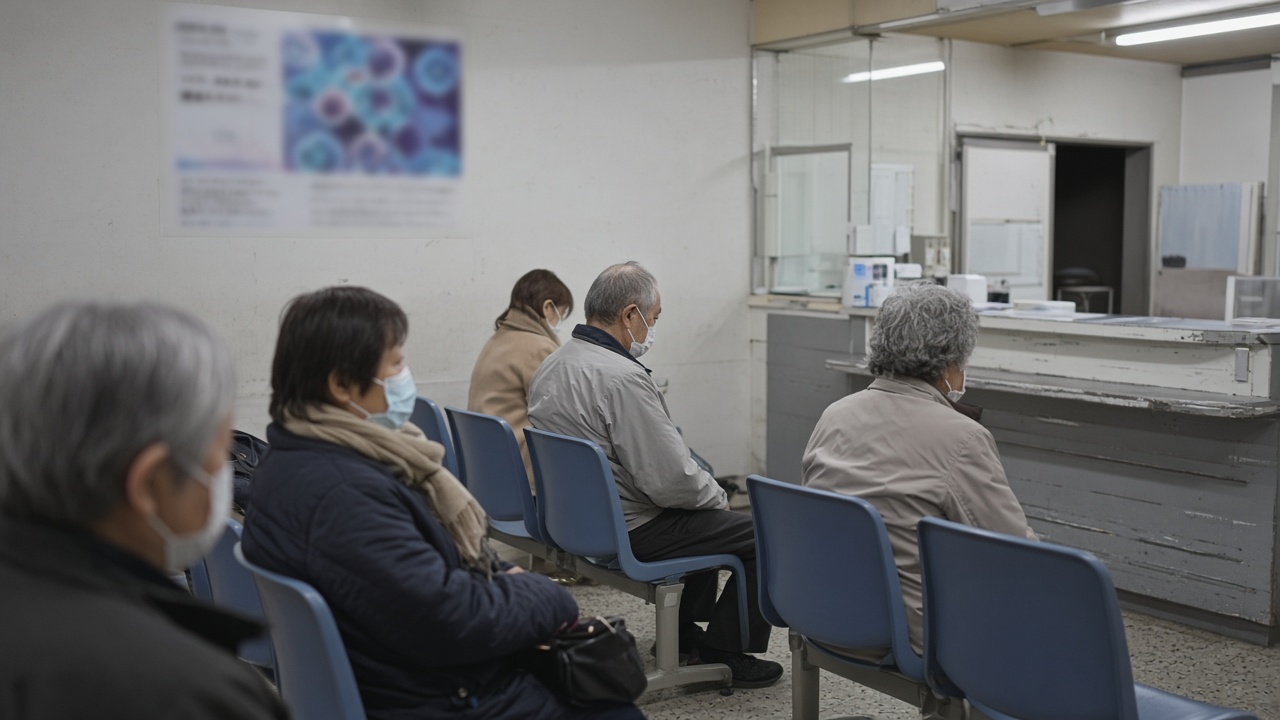
Japan’s Ministry of Health, Labour and Welfare said influenza reports per medical institution exceeded an early-season alert threshold in the week through October 26, with Tokyo and Osaka prefectures recording the sharpest increases. The National Institute of Infectious Diseases classified the trend as above baseline for late October, urging vaccination before year-end social gatherings.
Surveillance mechanics
About 5,000 sentinel clinics nationwide report probable influenza cases weekly. The latest bulletin showed roughly eleven cases per institution on average nationally, above the five-case caution line used for early-season messaging. Pediatric and internal medicine practices contributed most reports; emergency departments noted smaller upticks so far.
Subtyping data indicate influenza A(H3N2) strains dominate early samples, consistent with Southern Hemisphere season patterns imported through travel. Vaccine composition matches current WHO recommendations for the Northern Hemisphere winter.
Regional hotspots
Tokyo averaged higher per-clinic counts than the national figure, concentrated in wards with dense office employment. Osaka’s curve rose after local festivals and baseball postseason travel. Rural prefectures remained below alert levels but showed upward slopes health officials watch for lagged spread.
School absenteeism reports stay within normal ranges, suggesting community transmission has not yet exploded among children, though kindergarten clusters appeared in isolated municipalities.
Vaccination and supply
MHLW said vaccine distribution covers more than 30 million doses for the season, with pharmacy channels expanded since the pandemic. Uptake among elderly residents exceeds 50 percent in several prefectures but lags among working-age adults employers want protected before bonenkai season.
Manufacturers reported no production delays; local shortages in Hokkaido reflected delivery scheduling rather than plant issues.
Hospital capacity
Respiratory ward occupancy remains below the eighty-percent stress level seen in prior severe seasons. Hospitals nonetheless rehearse triage protocols learned during COVID-19 surges, separating influenza-like illness in waiting rooms.
Antiviral prescriptions rose modestly; doctors cautioned against stockpiling without diagnoses because resistance monitoring depends on controlled use.
Workplace guidance
Keidanren-affiliated firms renewed remote-work options for febrile employees after ministry advisories. Small businesses without paid sick leave rely on municipal subsidies introduced post-pandemic; uptake data will publish in November.
Mask-wearing on trains remains voluntary but common; transport operators keep ventilation settings elevated from summer defaults.
What November may bring
NIID models project continued rise if holiday travel proceeds without further vaccination uptake. Simultaneous RSV and COVID-19 circulation could strain pediatric beds even if influenza alone stays moderate.
Health officials asked organizers of November festivals to provide hand-sanitizer stations and consider staggered schedules. For households, the practical message is to schedule shots now rather than after parties, when clinics face queues.
Pharmacy and school coordination
Pharmacy chains extended evening vaccination hours in Kanto through mid-November after corporate clients requested on-site clinics before bonenkai calendars fill. School nurses received updated guidance on when to recommend antivirals versus home rest, avoiding unnecessary emergency visits that clogged pediatric wards in prior seasons.
NIID will publish an mid-November bulletin comparing Tokyo and Osaka curves with Hokkaido’s slower start, helping travelers assess mask choices on domestic flights.