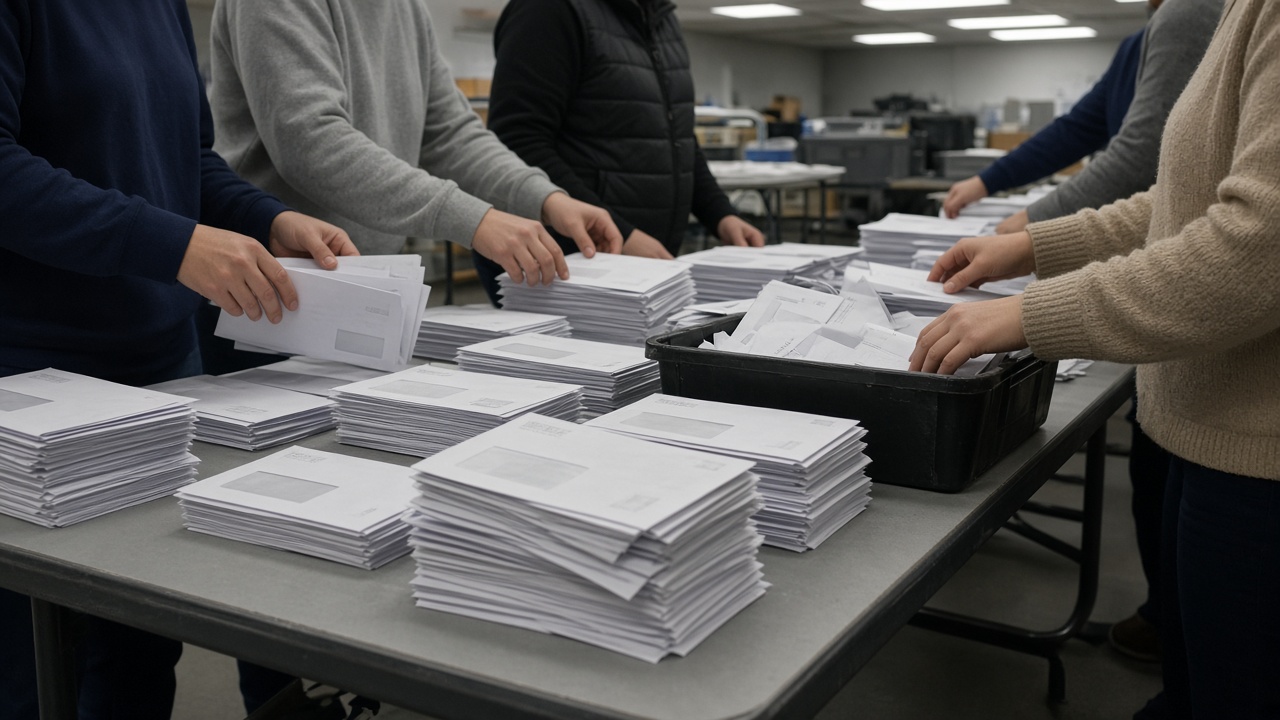
A federal judge in California issued an eight-page order Friday night barring the Trump administration from threatening, intimidating or coercing state and local election workers over claims that registered voters might be noncitizens, handing administrators a reprieve three days before the Nov. 3 midterm elections.
U.S. District Judge Trina Thompson wrote that senior Justice Department and Department of Homeland Security officials had run a pressure campaign in the final stretch of the 2026 cycle. Her temporary restraining order, effective through Nov. 16, forbids any federal action that would demand officials stop processing a ballot solely because the administration alleges the voter is ineligible.
What the order blocks
Thompson said the administration’s public rationale — stopping unlawful voting — was likely to disrupt election administration and disenfranchise eligible voters instead. The ruling targets the tone and tactics of recent letters, not the underlying federal ban on noncitizen voting.
The dispute sits alongside parallel litigation over ballot segregation. An appeals court on Friday rejected the administration’s bid to force California officials to set aside mail ballots tied to people it calls noncitizens. Another appellate panel on Monday declined to block more than 20,000 California ballots from being counted on similar grounds, and a separate judge this week said segregation requests clash with state control over elections.
How the pressure campaign worked
Justice Department officials wrote to election administrators in 57 of California’s 58 counties last week, attaching lists of people the government described as likely noncitizens and asking for cooperation within 48 hours. A letter to San Bernardino County cited 1,133 such registrations and sought nonpublic identifiers, including Social Security numbers and driver’s licenses, to verify citizenship.
Where status could not be confirmed, the department asked officials to segregate — not cancel — vote-by-mail ballots until reviews finished. First Assistant U.S. Attorney Bilal Essayli warned in the letter that ignoring federal crimes carries significant legal consequences. Thompson’s order now limits how aggressively those warnings can be delivered while ballots are still moving through scanners and drop boxes.
Washington and the early-vote pile
Washington state’s fight over similar demands is still pending in court, leaving one large vote-by-mail state without the same statewide shield Thompson granted in California. Nationwide, nearly 50 million people had already cast midterm ballots by Friday evening, according to the University of Florida Election Lab, with in-person early voting and returned mail ballots running neck and neck.
Administration officials have separately pressed Alaska over a ranked-choice Senate race where a retired teacher with a name resembling Republican Sen. Dan Sullivan appeared on the ballot, a probe Democrats deny orchestrating. Thompson’s California order does not resolve that case, but it adds to a pattern of judges pushing back as election directors enter their busiest weekend.
What happens next
The restraining order expires Nov. 16 unless extended, giving counties a narrow window through certification fights. Justice Department spokespeople did not immediately say whether they would appeal. Election officials said they would keep processing ballots under existing state law while lawyers map which federal demands still land in their inboxes.
For voters, the practical effect is continuity: local officials may still investigate fraud, but they cannot be threatened into halting lawful counts on the administration’s timeline alone. With control of Congress still uncertain and early turnout at record midterm levels, the ruling keeps the courtroom battle from spilling directly onto counting-room floors on Tuesday night.